How to Clean a Sax Mouthpiece: A Professional Step-by-Step Guide
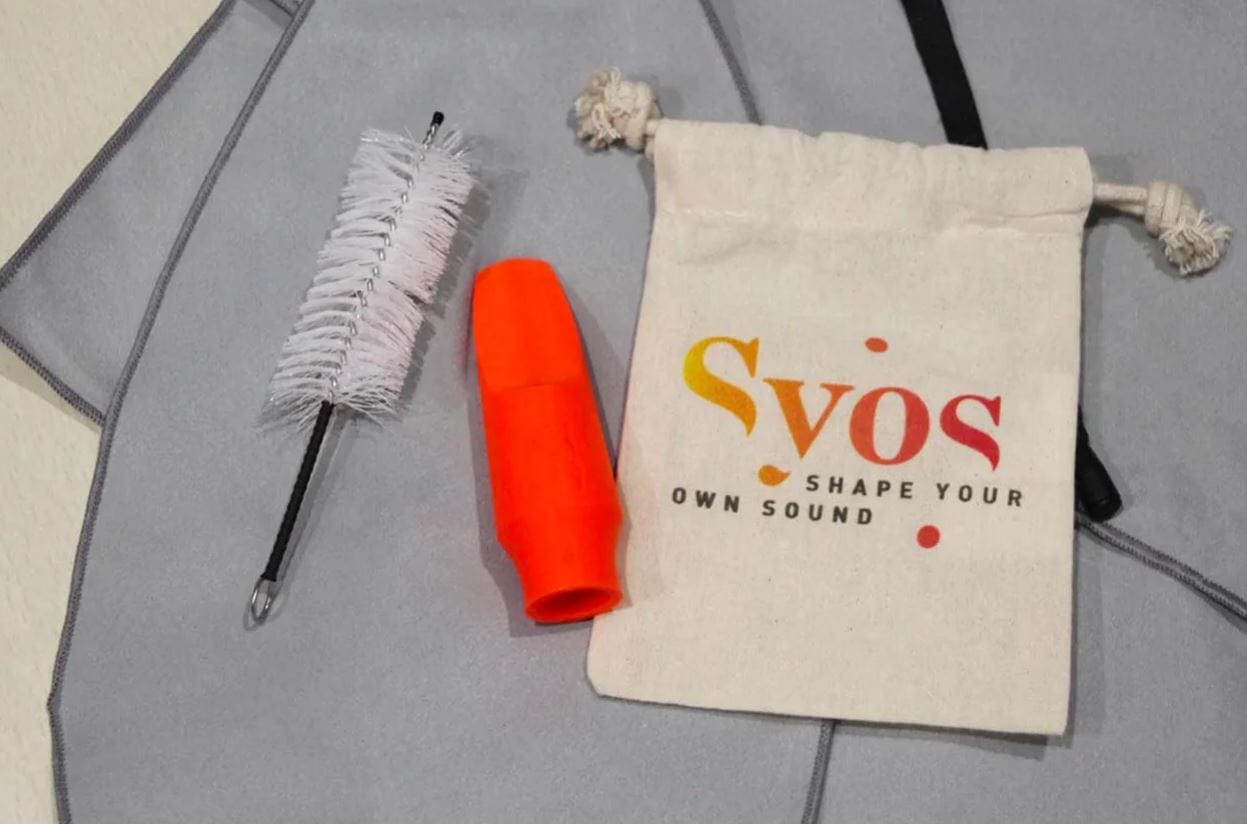
Maintaining a clean saxophone mouthpiece is not merely about aesthetics—it directly impacts your tone, hygiene, and the longevity of your gear. A neglected mouthpiece accumulates calcium deposits (from saliva), bacteria, and dried reed residue, leading to poor intonation and potential health risks (e.g., “saxophone lung” from fungi).
In this guide, you will learn three proven cleaning methods—daily, weekly, and deep sanitization—alongside a comparison table to help you choose the right technique for your mouthpiece material (hard rubber, metal, or plastic).
Why Proper Mouthpiece Cleaning Matters
- Tone Preservation: Debris inside the chamber and baffle alters airflow, causing a muffled or stuffy sound.
- Reed Longevity: A clean table (the flat surface where the reed sits) ensures a perfect seal, preventing warping and extending reed life.
- Hygiene: Studies show that uncleaned mouthpieces can harbor over 100,000 bacteria per square centimeter, including staphylococcus and streptococcus species.
Materials You Will Need
- Lukewarm water (never hot—it warps hard rubber)
- Mild dish soap (unscented, no abrasives)
- Soft-bristled brush (toothbrush or dedicated mouthpiece brush)
- Mouthpiece patch (for grip, optional)
- White vinegar or hydrogen peroxide (for deep cleaning)
- Cotton swabs
- Microfiber cloth
Method 1: Daily Rinse (After Each Practice)
This removes fresh saliva and reed particles.
- Remove the reed, ligature, and mouthpiece cap.
- Rinse the mouthpiece under cool running water for 15 seconds.
- Gently wipe the exterior with a microfiber cloth.
- Air-dry tip-up on a clean surface.
Method 2: Weekly Mild Soap Wash
Best for most hard rubber (ebonite) and plastic mouthpieces.
- Fill a bowl with cool lukewarm water (max 80°F / 27°C) and 2 drops of mild dish soap.
- Submerge the mouthpiece for 2–3 minutes.
- Use a soft brush to clean:
- The tip rail, side rails, and table (reed contact area)
- Inside the chamber and baffle
- The shank (where it fits into the neck)
- Rinse thoroughly with cool water.
- Dry completely.
⚠️ Warning: Do not soak hard rubber mouthpieces for more than 5 minutes. Prolonged water exposure can discolor ebonite to an olive green or brown hue.
Method 3: Deep Cleaning (Monthly) – Vinegar or Hydrogen Peroxide
This removes hard calcium deposits (white crust) and kills resistant bacteria.
- Prepare a solution:
- For hard rubber/metal: 50% white vinegar + 50% cool water (max 10 minutes)
- For plastic: 3% hydrogen peroxide (max 5 minutes)
- Soak the mouthpiece (shank-down to protect the tip).
- After soaking, scrub inside with a cotton swab or brush.
- Rinse thoroughly for 60 seconds.
- Air-dry away from direct sunlight.
Comparison Table: Which Cleaning Method to Choose?
| Cleaning Method | Frequency | Best For | Time | Removes Calcium Deposits? | Risk Level |
|---|---|---|---|---|---|
| Daily Rinse | After each play | All materials | <1 min | ❌ No | None |
| Mild Soap Wash | Weekly | Hard rubber, plastic, metal | 5 min | ❌ No | Low (avoid heat) |
| Vinegar Soak | Monthly | Hard rubber, metal | 10 min | ✅ Yes | Medium (can discolor if over-soaked) |
| Hydrogen Peroxide | Monthly | Plastic mouthpieces only | 5 min | ✅ Yes | Low (avoid on metal – may oxidize) |
| Dishwasher | ❌ Never | None | – | – | High (heat destroys mouthpieces) |
Special Considerations by Mouthpiece Material
Hard Rubber (Ebonite)
- Do: Use cold water and mild soap.
- Don’t: Soak for >5 minutes in any liquid. Avoid alcohol or citrus-based cleaners—they cause irreversible oxidation.
- Restoration tip: If your ebonite mouthpiece turns greenish, use a specialized rubber polish (e.g., Selmer Mouthpiece Care Kit).
Metal (Brass, Sterling Silver, Stainless Steel)
- Do: Use vinegar soaks for brightening. Dry immediately to prevent water spots.
- Don’t: Use hydrogen peroxide or bleach (corrosion risk). Avoid abrasive pastes.
Plastic (Acrylic, ABS)
- Do: Use peroxide or soap freely. Most durable material.
- Don’t: Expose to extreme heat (warping above 120°F / 49°C).
What NOT to Do – Common Mistakes
| Mistake | Consequence |
|---|---|
| Boiling the mouthpiece | Warping, cracked tip rails |
| Using bleach or alcohol | Oxidation, surface pitting |
| Scrubbing with metal brushes | Scratches that trap bacteria |
| Soaking overnight | Discoloration and structural weakening |
| Putting wet mouthpiece back on neck | Corrosion of saxophone’s neck receiver |
Final Pro Tips for Ranking Tone and Hygiene
- Rotate two mouthpieces if you play daily—allowing one to dry fully for 24 hours reduces bacterial regrowth by 90%.
- Use mouthpiece patches to prevent bite marks and bacterial accumulation on the top.
- Store in a hard case, not a reed holder or loose in your sax case (where felt sheds dust and moisture).
FAQ – Quick Answers
Q: Can I use toothpaste to clean my sax mouthpiece?
A: No. Toothpaste contains abrasive silica that will scratch the table and baffle, ruining the seal with the reed.
Q: How do I know if my mouthpiece needs deep cleaning?
A: Visible white/cream deposits, a persistent sour smell, or a fuzzy feeling inside the chamber.
Q: Will cleaning affect my mouthpiece’s facing curve?
A: Not if you use correct tools. Never press hard on the tip rail or insert rigid objects (keys, screwdrivers) into the chamber.
Conclusion
Cleaning a sax mouthpiece is a 5-minute weekly task that protects your investment and elevates your sound. For most players, a mild soap wash every week plus a vinegar soak every month is the optimal routine. Treat your mouthpiece like a precision instrument—because it is.
Clean mouthpiece = clean tone. Play with confidence.