From Pipes to Surfaces: What It Really Takes to Keep a Home Clean

A clean home is often judged by what we can see, polished countertops, vacuumed floors, and neatly arranged spaces. While these visible elements matter, they represent only part of the picture. True cleanliness extends far beyond surfaces, reaching into the systems and structures that support everyday living.
Understanding this distinction is key to maintaining a home that not only looks clean, but actually supports health, comfort, and long-term functionality. From the pipes behind the walls to the surfaces we interact with daily, cleanliness is the result of both proper maintenance and consistent care.
The Hidden Systems That Shape Cleanliness
Many of the factors that influence how clean a home feels are not immediately visible. Plumbing and electrical systems, for example, play a significant role in maintaining a healthy environment.
Plumbing systems affect water quality, moisture levels, and the overall functionality of kitchens and bathrooms. Leaks, blockages, or outdated components can lead to issues such as mold growth, unpleasant odors, and water damage, all of which compromise cleanliness.
Electrical systems, while less directly associated with hygiene, influence ventilation, lighting, and the operation of essential appliances. Poorly functioning systems can reduce air circulation or create conditions where dust and contaminants accumulate more easily.
This is why regular maintenance is essential. Professional services focused on plumbing & electrical repair help ensure that these underlying systems operate efficiently. By addressing issues early, homeowners can prevent problems that might otherwise affect both the appearance and safety of their living space.
Moisture, Airflow, and Indoor Health
One of the most important connections between home systems and cleanliness is moisture control. Excess moisture creates an environment where mold, mildew, and bacteria can thrive. Even small leaks or poor ventilation can have a significant impact over time.
Airflow is equally important. Proper ventilation helps remove airborne particles, reduce humidity, and maintain a balanced indoor environment. Without it, dust and allergens can accumulate, affecting both cleanliness and comfort.
According to the Environmental Protection Agency, indoor air quality can be significantly influenced by factors such as ventilation, moisture, and contaminants trapped within enclosed spaces. This highlights the importance of maintaining both systems and surfaces to create a truly clean home.
The Role of Surface Cleaning
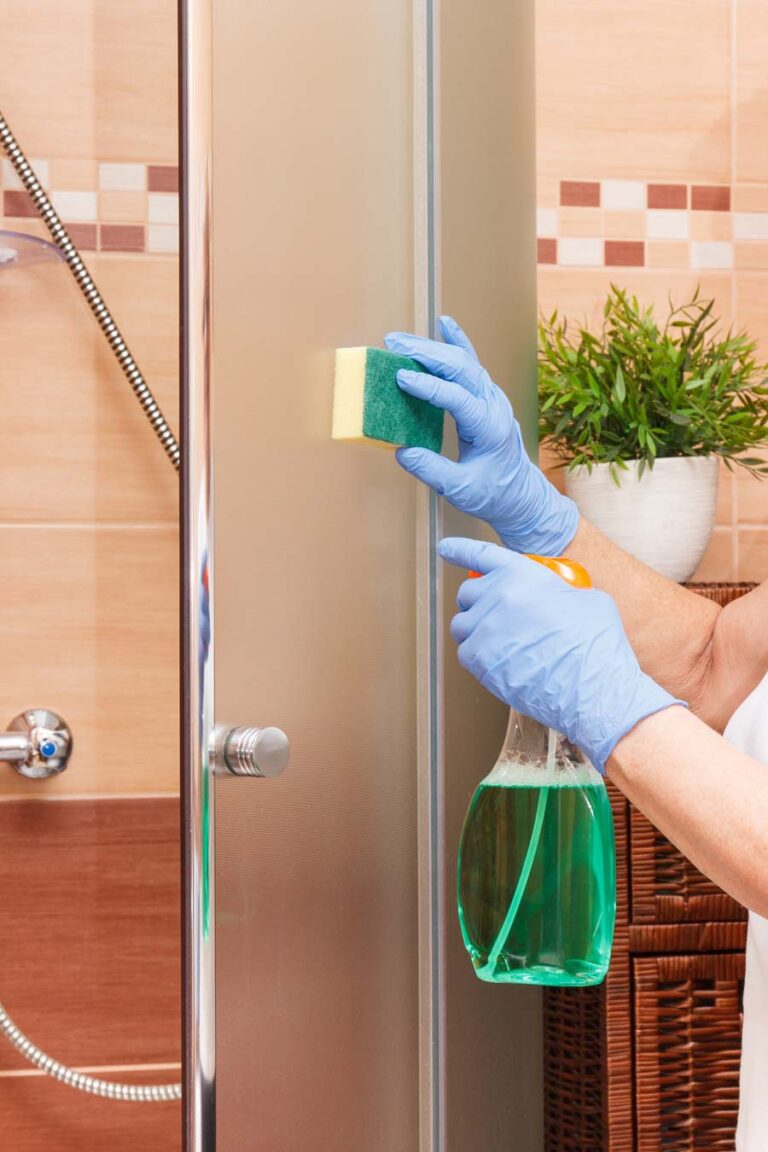
While hidden systems set the foundation, surface cleaning remains essential. Regular cleaning removes visible dirt, reduces allergens, and contributes to a more pleasant living environment.
However, effective cleaning requires more than routine effort. It involves using appropriate methods and products, paying attention to high-touch areas, and maintaining consistency over time.
For many households, professional cleaning services provide an added level of support. Working with experienced providers such as www.getcleanpeople.com ensures that surfaces are cleaned thoroughly and efficiently, often reaching areas that are difficult to address through regular routines alone.
This combination of professional expertise and consistent upkeep helps maintain a higher standard of cleanliness.
Bridging the Gap Between Systems and Surfaces
The relationship between maintenance and cleaning is often overlooked. Many homeowners focus on one while neglecting the other, leading to incomplete results.
For example, a home may appear clean after a thorough surface cleaning, but underlying issues, such as poor ventilation or minor plumbing leaks, can quickly undermine that effort. Conversely, well-maintained systems cannot compensate for a lack of regular cleaning.
Bridging this gap requires a holistic approach. Maintenance ensures that the environment remains stable and functional, while cleaning keeps it visually and physically free from contaminants. Together, they create a balanced and sustainable standard of cleanliness.
Preventative Care as a Long-Term Strategy
One of the most effective ways to maintain a clean home is through preventative care. Regular inspections, timely repairs, and consistent cleaning routines help reduce the likelihood of larger issues developing.
Preventative maintenance is particularly valuable because it addresses potential problems before they become visible. This not only protects the home but also reduces the time and cost associated with more extensive repairs.
In the long run, this approach supports both efficiency and peace of mind. Homeowners can feel confident that their living space is not only clean, but also well-maintained.
Creating a Healthier Living Environment
Cleanliness is closely linked to health. A well-maintained home with effective cleaning practices can reduce exposure to allergens, bacteria, and other contaminants.
This is especially important for households with children, pets, or individuals with sensitivities. Maintaining both systems and surfaces helps create an environment that supports overall wellbeing.
By addressing both visible and hidden factors, homeowners can achieve a level of cleanliness that goes beyond appearance, contributing to a healthier and more comfortable space.
Keeping a home clean requires more than surface-level effort. It involves understanding how different elements, from plumbing and electrical systems to daily cleaning routines, work together to create a balanced environment.
By combining regular maintenance with consistent cleaning, homeowners can ensure that their living spaces remain both functional and inviting. This holistic approach not only enhances the appearance of a home but also supports long-term health and comfort.
In the end, true cleanliness is not just about what we see. It is about how a home performs, how it feels, and how well it supports the people who live in it.