Eco-Friendly Roof Care: Protecting Your Home and the Planet
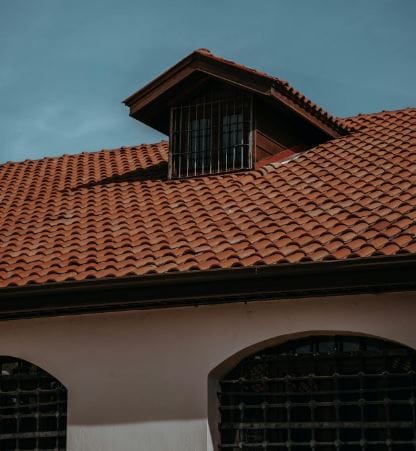
Taking care of a home means looking at the roof as more than just a cover. It serves as the primary shield against the elements and plays a massive role in your footprint on the planet. Eco-friendly roof care focuses on longevity and efficiency. This approach keeps waste out of local landfills and helps lower monthly utility costs. Choosing sustainable methods helps protect your investment while respecting the natural environment around you.
Understanding Sustainable Materials
Modern roofing has changed a lot lately. A market report from 2024 valued the global sustainable roofing material market at $31.2 billion. This growth comes from new building codes and people wanting to be greener. Homeowners now have options like recycled shingles, metal, and clay tiles. These materials often last twice as long as traditional asphalt.
Long-lasting materials reduce the need for frequent replacements. When a roof stays in good shape for 50 years, it saves a lot of energy. One local guide noted that Vancouver receives nearly 124 cm of rain every year. This high volume of water makes durable, eco-friendly systems a smart choice for managing runoff.
Maintenance and Home Longevity
Regular upkeep is the best way to be eco-friendly. Small fixes prevent large sections of the roof from going to the dump. If you need a Vancouver roof replacement and repair, choosing a local expert helps ensure the work fits the climate. Professionals can spot tiny leaks before they turn into structural rot.
Consistent cleaning prevents moss and algae from eating away at shingles. This simple step keeps the roof reflecting heat properly. A recent industry update suggested that maintenance during every lifecycle stage improves the resilience of green roofing systems. Taking care of what you have is always better for the earth than buying new.
Benefits of Reflective Surfaces
Heat absorption is a major issue for standard dark roofs. They soak up the sun and make the attic hot. This forces the air conditioner to work much harder. Cool roofs use special coatings or light colors to bounce sunlight back into space.
- Lower indoor temperatures during summer
- Reduced strain on the HVAC system
- Decreased urban heat island effects
- Smaller monthly electricity bills
These surfaces stay much cooler than traditional black shingles. The Environmental Protection Agency found that green roof surfaces can be 56 degrees cooler than conventional ones. This temperature drop keeps the whole neighborhood more comfortable.
Innovative Inspection Technology
Finding problems early used to be difficult and dangerous. Now, technology makes it much easier to stay on top of repairs. Drones with thermal cameras can find wet insulation hidden under the surface. This means you only fix the parts that are actually broken.
A roofing trends report mentioned that drones make inspections safer and more efficient. Using these tools prevents unnecessary material waste. Instead of tearing off a whole section, a contractor can target the exact spot that needs help. This precision is a win for both your wallet and the environment.
Energy Efficiency and Insulation
The space just below your roof matters just as much as the shingles. Proper insulation keeps your heated air inside during the winter. It works with the roof to create a thermal barrier. Recent studies show that green roofs and facades help regulate temperatures and improve energy efficiency.
Modern insulation materials are often made from recycled denim or cellulose. These options provide excellent heat retention without harsh chemicals. Keeping the attic sealed tight reduces the amount of natural gas or electricity needed to stay warm. A well-insulated home is a core part of an eco-friendly roofing strategy.
Recycling and Waste Management
Tearing off an old roof creates a huge amount of debris. Many traditional shingles end up in the trash, where they take decades to break down. Sustainable contractors look for ways to recycle these old materials. Asphalt can be ground up and used to pave new roads.
Metal is one of the most sustainable options available today. Recycling steel saves about 60% of the energy used for new production. This makes metal roofs a great choice for those looking to close the loop. Choosing a material that can be recycled later is a gift to future generations.
Water Collection Systems
Your roof is a giant funnel for rainwater. Instead of letting it all run into the street, you can capture it. Rain barrels or cisterns connect to the downspouts easily. This water is perfect for gardening or washing the car.
- Reduces local stormwater runoff
- Lowers your city water bill
- Provides a backup water source for plants
- Prevents soil erosion around the foundation
Capturing rain helps the local ecosystem by reducing the load on city sewers. This is especially helpful during heavy storms. It turns a waste product into a valuable resource for your backyard.
Selecting sustainable roofing methods is a powerful way to care for your property. It combines smart financial planning with a commitment to the earth. By focusing on durability, reflection, and recycled materials, you create a home that stands the test of time. These choices lead to lower bills and a healthier community for everyone. Small changes in how we view our roofs can lead to a much greener future.