Expert Tips for Maintaining a Lush Green Lawn
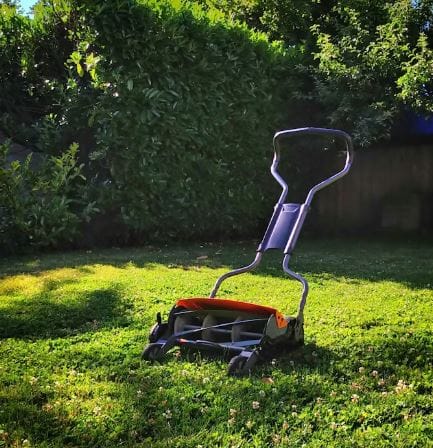
A green lawn is the pride of many homeowners. It provides a soft place for kids to play and improves the look of your house. Getting that perfect carpet of grass takes some work and planning. You can achieve great results by following a few simple steps. Many people struggle with timing and technique when they start their yard care journey.
Test Your Soil First
Success begins below the surface of the ground. Many yards lack the right nutrients to support healthy grass growth. One state university suggests testing your soil every 3 to 5 years or when you make big changes to your yard. This helps you know exactly what your grass needs to grow strong. You can save money by only buying the nutrients your yard actually requires.
A test kit usually costs around $15 to $20 at a local garden center. It tells you the pH level and the amount of nitrogen in the dirt. Knowing these facts prevents you from over – fertilizing your grass. You will have a better understanding of your yard’s health after reading the results.
Master Your Watering Routine
Keeping your yard hydrated requires a smart schedule. Many homeowners turn to Northern Arizona Weed Control when they need help managing their outdoor spaces. Proper moisture levels prevent dry spots and keep the roots deep. You should aim for deep soakings rather than light sprays. Shallow watering leads to weak grass that cannot stand the summer heat.
If the soil is too dry, the grass will turn a dull blue – gray color. You can check the moisture by pushing a screwdriver into the ground. It should slide in easily if the lawn has enough water. If the metal tool meets resistance, it is time to turn on the sprinklers.
Choose the Right Mowing Height
Setting your mower blade at the right level makes a huge difference. Cutting your grass too short can stress the plants and lead to weed growth. A local watershed organization recommends keeping your grass at 3 inches or higher to help the roots grow deeper. This height shades the soil and helps keep moisture from evaporating too quickly.
Another professional lawn service suggests keeping the blade no lower than 3 inches for regular maintenance. This practice keeps the grass blades thick and healthy. Sharp blades are necessary to prevent tearing the grass. Dull blades leave ragged edges that turn brown and invite disease. Try to change the direction you mow each time. This prevents the grass from leaning in one direction and avoids ruts in the soil.
Fertilize with a Schedule
Feeding your lawn at the right time is just as necessary as watering it. A university news report mentions that you should fertilize your yard 4 times every year. You can use holidays like Memorial Day and the Fourth of July to help you remember the dates. This consistent feeding keeps the grass green through the growing season.
An extension service in the Midwest points out that early September is the perfect time for a fall feeding. This late-season boost prepares the grass for the cold winter months ahead. Proper timing helps the grass store energy in its roots. You will see a faster green – up when the spring weather arrives. Avoid spreading fertilizer right before a heavy rainstorm. The water might wash the nutrients away before the grass can soak them up.
Manage Thatch and Weeds
Thatch is the layer of dead grass and organic matter that sits on the soil. Some of it is good for the yard, but too much can block water. An agricultural extension notes that thatch levels can be either helpful or harmful depending on how much is there. Keeping this layer under control is a major part of yard maintenance.
A water management group provides training on how common yard practices impact the local environment and groundwater. An expert gardener group recommends watering only 2 to 3 times per week for the best results. Deeper watering is better than frequent light watering. It encourages the roots to grow down deep into the soil profile. This makes the lawn much more resistant to drought and heat.
Tips for watering:
- Water early in the morning to avoid evaporation.
- Let the water soak deep into the soil.
- Avoid watering during the hottest part of the day.
Maintaining a beautiful yard takes time and patience. You will see better results if you stick to a routine throughout the year. Every small step you take helps build a stronger and greener lawn for your home. Your neighbors will surely notice the hard work you put into your outdoor space. A healthy lawn is worth the effort for any homeowner. You can enjoy the outdoors more when your grass looks its best.