How to Clean a Marble Mortar and Pestle: A Professional Guide to Hygiene and Longevity
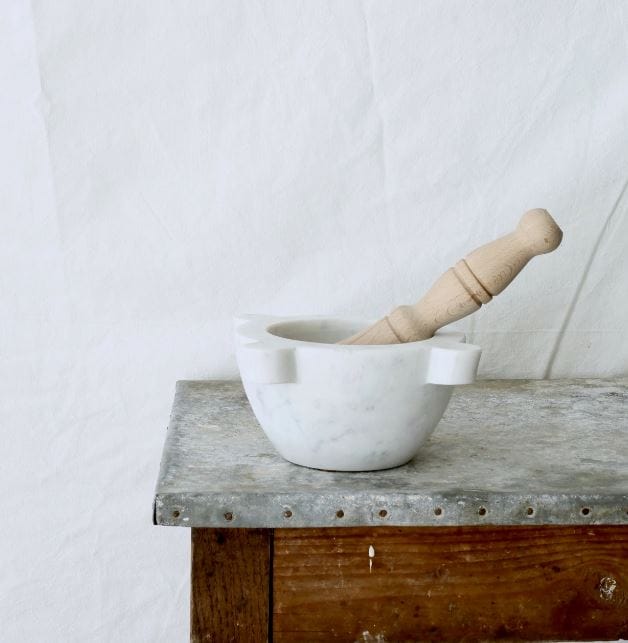
A marble mortar and pestle is both a timeless kitchen tool and an investment in culinary precision. Unlike porous alternatives (e.g., volcanic rock or unglazed ceramic), marble offers a smooth, dense surface ideal for grinding spices, making pastes, and emulsifying sauces. However, its non-porous nature also requires specific cleaning protocols to prevent residue buildup, surface etching, or bacterial harborage.
Below is a definitive, evidence-based guide to cleaning your marble mortar and pestle—without damaging the stone.
Why Marble Requires Special Care
Marble is a metamorphic rock composed primarily of calcium carbonate. It is susceptible to:
- Acid etching (from citrus, vinegar, or tomato)
- Staining (from turmeric, paprika, or oil-based pastes)
- Scratching (from abrasive pads or metal tools)
Conventional dish soap and abrasive scrubbing can dull the polished surface and leave chemical residues that taint future preparations.
Step-by-Step Cleaning Protocol
Follow this sequence after each use to maintain both hygiene and performance.
1. Immediate Rinse (Warm Water Only)
- Remove visible food debris.
- Rinse with warm (not hot) water. Extreme temperatures can cause thermal shock and micro-cracking.
- Do not use soap at this stage—saponified oils can seep into micro-crevices.
2. Gentle Scrubbing
- Use a soft nylon brush or a non-scratch sponge.
- For dried-on residues, create a paste of baking soda and water (3:1 ratio). Apply, let sit for 5 minutes, then scrub gently.
- Avoid steel wool, scouring powders, or stiff bristles.
3. Acidic Residue Removal (If Needed)
If you’ve ground garlic, tomatoes, or citrus:
- Neutralize acid traces with a milk or yogurt wipe (lactic acid neutralizes calcium carbonate reactions). Apply a thin layer, wait 2 minutes, then rinse.
4. Final Rinse and Drying
- Rinse thoroughly with warm water.
- Dry immediately with a soft lint-free cloth. Air-drying can leave mineral deposits (white stains) from hard tap water.
Deep Cleaning: Removing Stains and Odors
For persistent discoloration or lingering spice smells, use the table below to match the issue with the correct treatment.
| Problem | Cause | Recommended Treatment | Avoid |
|---|---|---|---|
| Yellow/orange stain | Turmeric, saffron, paprika | Hydrogen peroxide (3%) + baking soda paste. Apply for 10 min, rinse. | Bleach, vinegar |
| White haze | Hard water mineral deposits | Wipe with distilled white vinegar diluted 1:4 with water. Rinse immediately. | Undiluted acids |
| Greasy film | Nut butters, pesto, oily spices | Cornstarch or rice flour rub. Sprinkle, let absorb oil for 10 min, brush off, rinse. | Dish soap residue |
| Musty odor | Incomplete drying | Sunlight exposure (2 hours) or wipe with vodka (70% isopropyl alcohol). | Boiling water |
| Black/gray marks | Metal utensil contact | Fine marble polishing powder (e.g., MB-11). Follow manufacturer instructions. | Sandpaper |
Daily vs. Monthly Maintenance: A Comparison
| Task | Frequency | Method | Time Required |
|---|---|---|---|
| Rinse and dry | After each use | Warm water + soft cloth | 1 minute |
| Baking soda scrub | Every 3–5 uses | Paste, gentle agitation | 5 minutes |
| Odor removal | Monthly | Vodka wipe or sun exposure | 2 minutes + drying |
| Mineral deposit check | Monthly | Diluted vinegar test on small area | 1 minute |
| Deep polish | Annually (or as needed) | Marble polishing compound | 15 minutes |
Common Mistakes to Avoid
- Using dish soap regularly – Soap molecules adhere to marble’s calcite structure, leaving a film that turns rancid over time.
- Submerging in water – Prolonged soaking can weaken the bond between the mortar and its base (if glued).
- Dishwasher cleaning – Heat, detergents, and high-pressure water will cause pitting and discoloration.
- Lemon juice or vinegar soaks – These will chemically etch the surface, creating rough spots that trap bacteria.
Professional Tip: Seasoning Your Marble Mortar
Unlike porous stone, marble does not require traditional seasoning (oil rub). However, to minimize sticking when grinding wet ingredients:
- Lightly dust the interior with powdered arrowroot or rice flour before first use of the day.
- Brush out after grinding—do not rinse with water immediately, as flour absorbs moisture and prevents paste adhesion.
When to Retire or Resurface a Marble Mortar
Minor etching or dulling is cosmetic. Replace your mortar if:
- Deep cracks appear (≥1 mm wide)
- Chips on the grinding surface cause uneven particle size
- Persistent odor remains after deep cleaning cycles
Most marble mortars can be professionally re-polished by a stone restoration specialist for 20–30% of the replacement cost.
Final Verdict
Cleaning a marble mortar and pestle correctly requires discipline—no shortcuts with soap or acids. Adopt the rinse-scrub-dry routine, use targeted treatments from the comparison table above, and your mortar will remain a hygienic, high-performance tool for decades.
For daily users: Keep a dedicated nylon brush and baking soda container near your grinding station. For occasional users: Store dry with a silica gel packet inside to absorb ambient humidity.