3 Benefits of Using Socket Organizers in Any Workshop
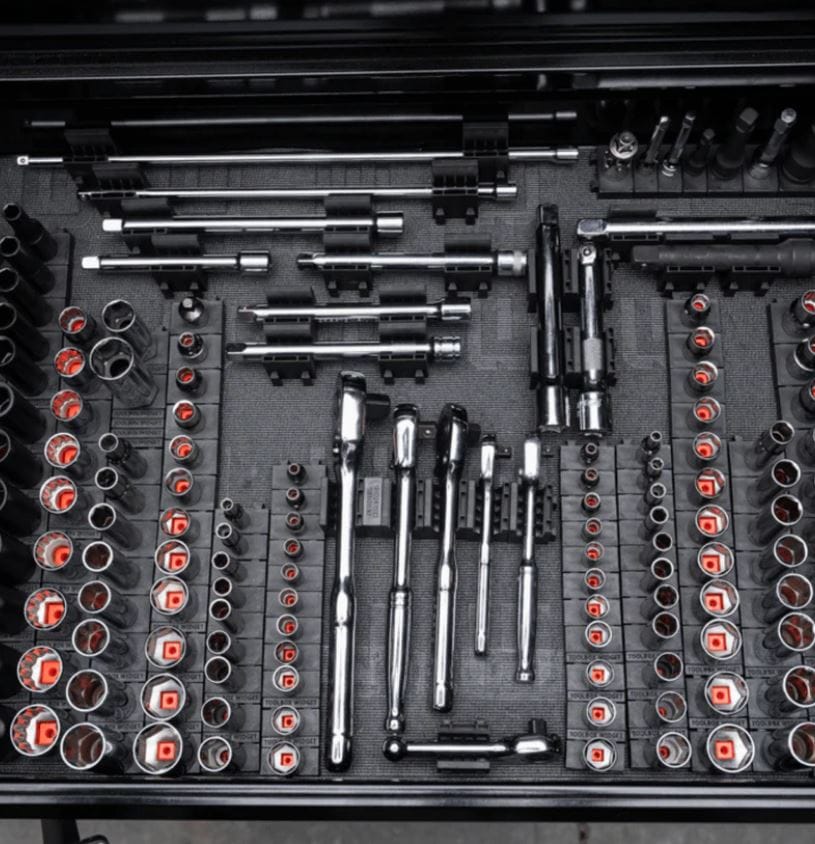
A well-kept workshop depends on simple systems that save time and prevent clutter. Socket organizers help achieve that by keeping each tool in a set place, so every project starts and ends with less stress and fewer delays. They give structure to tool storage, reducing wasted time and tool loss that slow down progress.
Many mechanics, builders, and DIY users rely on socket organizers to create order and efficiency. With properly stored sockets, every job feels more straightforward and productive. This article explains three main benefits that show how proper organization leads to smoother work and better results in any workshop.
- Prevents socket loss and misplacement by providing designated slots
A well-designed socket organizer solves one of the most common workshop problems: missing or misplaced sockets. Dedicated slots hold each socket in a set position, so the user can instantly see if one is out of place. This layout reduces time wasted on searching through drawers or toolboxes and helps keep the workspace tidy.
Many mechanics and DIY users value this because it keeps even the smallest sockets accounted for. Products like socket organizers from VEVOR give every size and type its own labeled spot. As a result, users spend less time replacing lost tools and more time focusing on the job.
A designated space for each tool also limits mix-ups between metric and SAE sockets. With proper organization, each socket returns to the same location after use, creating a habit that promotes consistent tool control.
This system works well for both portable trays and fixed racks. Whether used in a home garage or a professional setting, socket organizers help maintain order and protect tools from damage or corrosion caused by cluttered storage.
- Facilitates quick socket identification, saving time during projects
A well-organized socket layout helps anyone locate the right size fast. Each socket has a clear place, so users can check labels or size markings without sorting through a messy pile. This simple setup reduces unnecessary delays and allows work to continue smoothly.
Many socket organizers arrange tools by size or drive type, so patterns become easy to spot. Once a person learns the layout, finding a needed socket often takes only seconds. As a result, projects progress faster since less time is lost searching for the right tool.
Clear labeling also minimizes mistakes. A misplaced socket can slow down a repair or cause frustration during tight deadlines. By keeping each size visible and separate, users can confirm selections quickly and get back to the task at hand.
In addition, cleaner organization prevents duplicate purchases or missing sizes from going unnoticed. A quick glance at the organizer reveals if a piece is absent. That visibility helps maintain tool readiness and keeps the workspace more efficient overall.
- Maximizes workshop space by organizing sockets efficiently
A well-arranged socket organizer helps keep every tool in a fixed position, which reduces wasted space inside toolboxes or drawers. Instead of loose sockets scattered around, each piece has a designated spot based on size or drive type. This structure creates more room for other tools and materials.
In many workshops, space often feels limited. By grouping sockets logically, workers can make better use of drawers, carts, and wall panels. The layout prevents overlap between metric and SAE sizes and allows faster access to the right tool.
Efficient organization also helps avoid duplicate purchases. Since every socket stays visible and accounted for, it becomes easy to see what is already available. Over time, this system saves both money and space.
Tool users who shift between projects benefit from portable trays or racks that fit different drive sizes. These holders allow quick transport between work areas without losing order. As a result, the entire workspace stays cleaner, safer, and easier to navigate.
Overall, structured socket placement supports a smooth workflow. It turns cluttered storage into an organized system that frees up valuable space and makes daily tasks more efficient.
Conclusion
A socket organizer helps keep tools neat and easy to find. It reduces time wasted searching for the correct socket and helps maintain a tidy work area. This small change can make a large difference in productivity.
By grouping sockets by size and type, a workshop gains better structure and less clutter. Fewer misplaced tools mean fewer interruptions during repair or assembly work. That steady organization supports a smoother workflow every day.
Socket organizers also protect tools from wear and damage. Each piece stays secure, clean, and ready to use. As a result, mechanics and hobbyists alike benefit from longer tool life and more consistent performance.