How to Choose a Ceiling Fan That Is Easier to Maintain
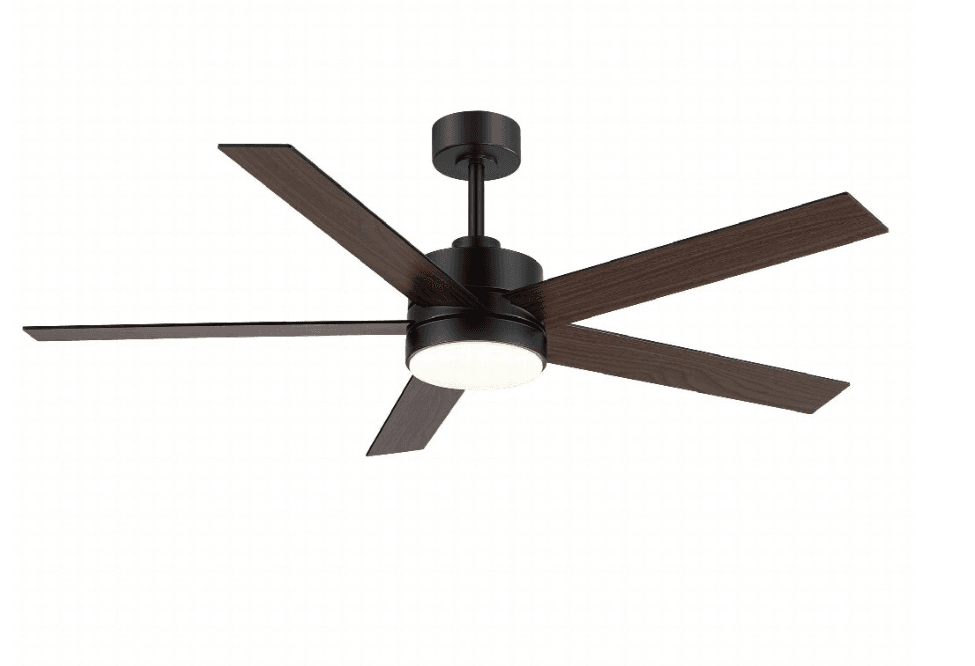
A ceiling fan is part of a home’s cleaning routine as well as its comfort plan. Blades, motor housings, and light diffusers sit in a position where dust becomes visible, yet access can be awkward once furniture is in place. For homeowners comparing AirSurferHome ceiling fans, maintenance should be considered alongside room size, mounting height, light design, and daily use. A thoughtful choice can make future cleaning and service more predictable.
Look at access before appearance
Start by asking how the fan will be reached safely. Note the ceiling height, the furniture below, and whether a stable ladder position will be available. A design that looks simple from the floor can still be difficult to clean if the light diffuser or blades cannot be reached without moving half the room.
Plan the access route before installation. For high or vaulted ceilings, ask the installer how routine service will be handled and whether the chosen position leaves enough working space.
Choose blade details with cleaning in mind
Blade shape, finish, and edge detail affect how dust appears. Dark blades can make a fine layer more visible, while textured or complex surfaces may require more careful cleaning. This does not make one finish universally better; it means the choice should match the home’s cleaning routine.
Ask for the care instructions for the exact model. Avoid assuming that every blade material can be cleaned with the same products or pressure. A soft, controlled method is usually easier on finishes and nearby surfaces.
Treat the light diffuser as a service item
When a fan includes a light, the diffuser becomes part of the cleaning plan. Check how it is removed, whether the light is an integrated module, and whether replacement parts are available. A diffuser that requires specialist tools may be less convenient in a frequently used room.
The ceiling light also has a visual role. A clean diffuser supports the room’s appearance, while a dusty one can make the whole fixture feel neglected even when the blades are clean.
Match the fixture to the room
Kitchen, bedroom, living room, and utility spaces place different demands on a ceiling fan. Cooking areas may expose surfaces to more airborne residue, while bedrooms may collect fibres and dust from bedding. A living room may prioritize quiet appearance and easy access around furniture.
Consider the room’s real use before selecting a style. Maintenance is easier when the fixture is installed where it can be reached and operated without constant disruption.
Check mounting height and clearance
The right mounting arrangement helps both safety and maintenance. Record the ceiling height and check whether the model is intended for flush mounting, a downrod, or a sloped ceiling. Confirm the required clearance and structural support instead of relying on a general product photograph.
A qualified installer should verify the electrical point and support. A stable installation also makes future cleaning less awkward.
Keep controls and instructions together
A remote or wall control is part of everyday maintenance because it affects how the fan and light are operated during cleaning and inspection. Keep the control information, model details, and installation instructions in an accessible place.
Do not install an incompatible dimmer or smart switch simply because it is already in the room. Confirm the approved control arrangement for the exact model.
Plan a repeatable care routine
The most useful maintenance plan is simple enough to repeat. Decide how often the blades and diffuser will be checked, what cleaning materials are appropriate, and how the area below will be protected. A short routine is more realistic than waiting until dust becomes obvious.
Before purchasing, review warranty terms and replacement-part information. A fixture is easier to maintain when the owner knows what can be cleaned, what can be replaced, and when professional service is needed.
Ask practical questions before ordering
Use the product documentation to answer a few specific questions: What tools are needed for cleaning? Can the light diffuser be removed safely? Which parts are replaceable? Which controls are approved? How much access will the installer need after the fixture is fitted? These answers reveal whether the design suits the home’s actual routine.
A maintenance-friendly ceiling fan is not necessarily the simplest-looking one. It is the one whose cleaning, control, warranty, and service requirements are understood before installation. That clarity reduces surprises and helps the fixture remain useful over time.
A shortlist to take to the installer
| Room condition | Decision to resolve | Information to check |
| Lower ceiling | Suitable mounting profile | Mount type and required clearances |
| Open living area | Fan position and scale | Occupied zones and published airflow |
| Layered lighting | Role of the integrated light | Output and control compatibility |
| Bedroom | Convenient independent operation | Included controls and model specifications |
Choose the room before choosing the finish
A successful shortlist starts with the space and ends with a model whose documentation supports the design. Measure the room, map the ceiling, define the lighting role, and confirm the controls with the installer. Then compare finishes among the options that remain suitable. This sequence keeps a ceiling fan connected to the architecture and the people using it, rather than making it an isolated purchase.