The Ultimate Guide: How to Clean Shoulder Pads for Freshness and Longevity
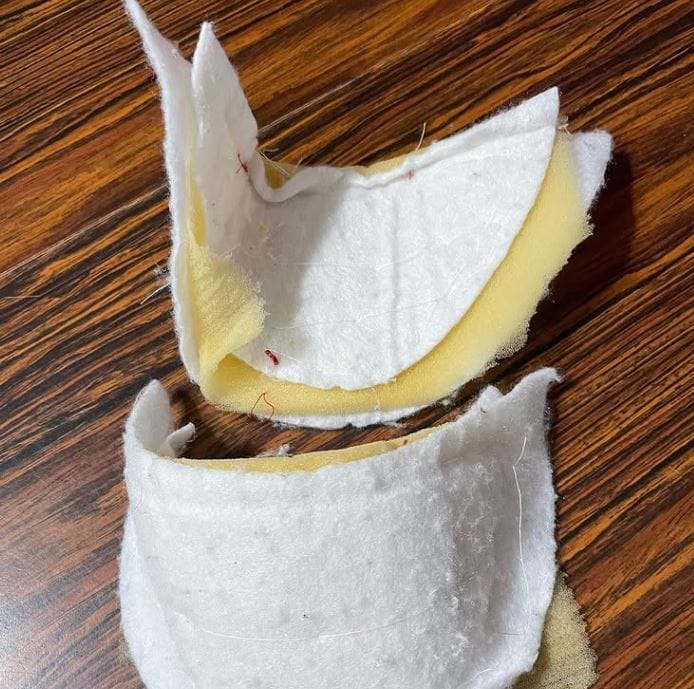
Cleaning your shoulder pads might seem like a daunting task, but with the right techniques and understanding of the materials involved, it can be a straightforward process. Whether you are an athlete dealing with sweat-soaked football gear or someone maintaining the structured look of a vintage blazer, knowing how to clean shoulder pads properly is essential for hygiene and longevity.
This comprehensive guide will walk you through how to clean shoulder pads step-by-step, covering everything from delicate fabric blends to heavy-duty sports equipment .
Why Regular Cleaning is Non-Negotiable
Shoulder pads endure a lot. In sports, they absorb sweat, dirt, and bacteria, which can lead to skin infections like staph or MRSA if neglected . For fashion garments, body oils and daily wear can degrade fabrics and cause yellowing.
- Health First: Bacteria and fungi thrive in the warm, dark environment of damp pads .
- Odor Control: Regular cleaning prevents the buildup of foul smells that washing soda or vinegar struggles to remove later .
- Equipment Longevity: Dirt is abrasive. Cleaning prevents the degradation of foams, plastics, and fabrics, ensuring your gear lasts longer .
Preparation: What You’ll Need
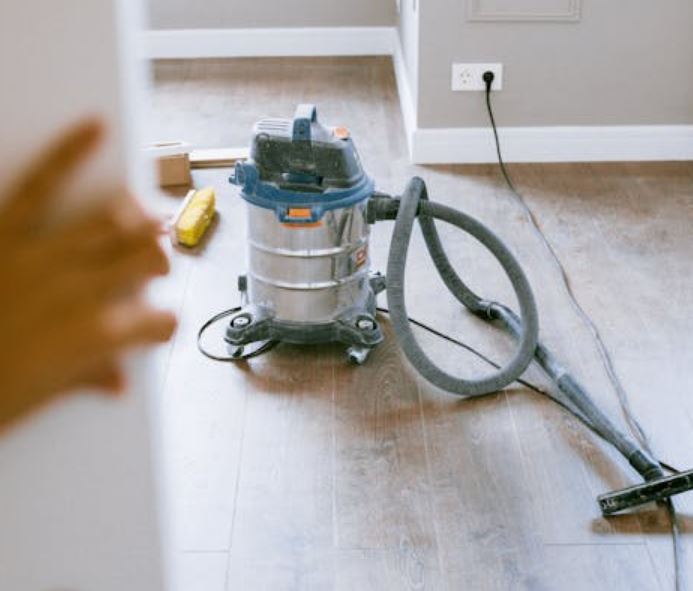
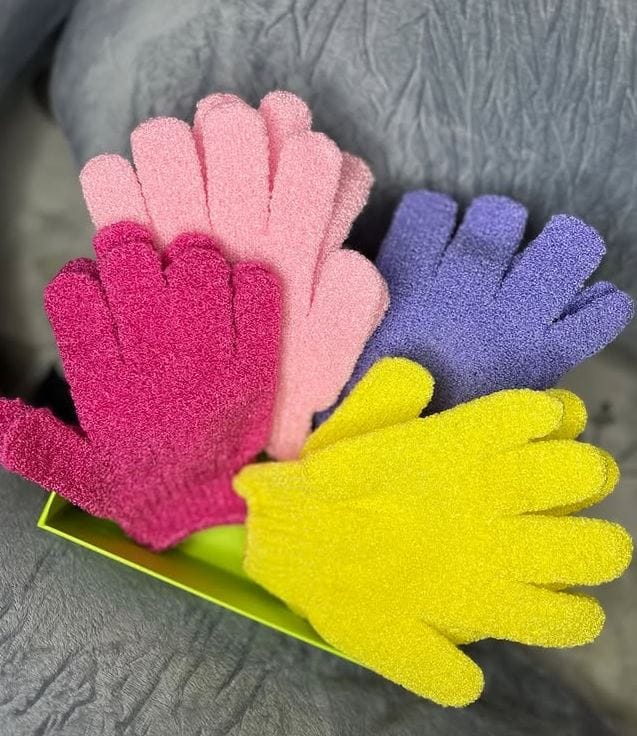
Before diving into the process of how to clean shoulder pads, it’s vital to gather your supplies. Using the wrong tool can damage the material. Here is a comparison of the tools and chemicals you should have on hand:
Step-by-Step Guide: How to Clean Shoulder Pads
Follow these steps carefully to ensure your shoulder pads are cleaned effectively without damage.
Step 1: Identify the Fabric and Detach Components
First, determine whether your pads are made of synthetic materials (polyester, foam, plastic) or natural fibers (wool, cotton). For garments, check the care label .
- For Sports Gear: Disassemble the pads. Remove any detachable parts like straps, shoulder caps, and inner foam liners. This allows for a more thorough clean and prevents water from getting trapped inside plastic shells .
- For Fashion Garments: If the pads are removable from a jacket or blouse, carefully detach them. If not, you will need to clean the entire garment carefully or spot clean.
Step 2: Dry Cleaning and Pre-Treatment
Before introducing water, remove surface dirt.
- Use a soft brush to gently lift dirt and dust from the surface.
- For wool or delicate fabrics, brush in one direction to avoid damaging the fibers .
- If you see visible stains, apply a tiny amount of mild detergent directly to the area as a pre-treatment.
Step 3: Hand Washing (The Safest Method)
Hand washing is the recommended method for most shoulder pads, especially those with foam or delicate stitching .
- Prepare the Solution: Fill a basin with lukewarm water and add a small amount of mild detergent. For heavy odors, add a cup of white vinegar .
- Submerge and Scrub: Dip the pads (or removable liners) into the solution. Use your hands or a soft cloth to gently agitate the water through the material.
- Focus on Problem Areas: Pay special attention to the underarm areas and linings where sweat accumulates. Use a soft brush in circular motions to lift grime .
- Rinse Thoroughly: Drain the soapy water and refill with clean, cool water. Rinse until no soap suds remain. Soap residue can attract dirt and cause skin irritation .
Step 4: Machine Washing (Use with Caution)
While convenient, machine washing carries risks. It should only be considered for sturdier, synthetic pads and only if the manufacturer does not prohibit it .
If you must machine wash:
- Place all components in a mesh laundry bag .
- Use a gentle cycle with cold water.
- Use a mild detergent.
- Skip the spin cycle if possible to prevent deformation .
Step 5: Rinsing and Sanitizing
After washing, sanitation is key to killing remaining bacteria.
- For a natural sanitizer, use a spray bottle filled with a 50/50 mix of water and white vinegar. Spray the pads inside and out, paying attention to seams .
- For hard plastic shells (like football pads), you can use a disinfectant wipe or a bleach solution (⅓ cup bleach to 1 gallon water) but only if the plastic is white and non-porous; bleach can discolor colored gear .
Step 6: The Critical Drying Process
Never put shoulder pads in a clothes dryer. The heat will melt foam, warp plastic, and shrink fabrics .
- Press Out Water: Gently press the pads between two clean, dry towels to absorb excess moisture. Do not wring or twist .
- Air Dry: Lay the pads flat on a drying rack or hang them in a well-ventilated area.
- Avoid Heat and Sun: Keep them away from direct sunlight and radiators to prevent fading and warping .
- Patience is Key: It can take 24–48 hours for thick foam pads to dry completely. Ensure they are 100% dry before storage to prevent mold .
Step 7: Reassembly and Storage
Once everything is bone-dry, reassemble your pads. Store them in a cool, dry place. Avoid stuffing them into an airtight bag immediately; use a breathable garment bag or leave them on a gear rack to ensure airflow .
Specialized Cleaning: Sports vs. Fashion
The approach to cleaning varies significantly based on the type of shoulder pad. Use this quick reference guide:
Common Mistakes to Avoid
When learning how to clean shoulder pads, knowing what not to do is just as important as the steps themselves.
- Using Bleach or Harsh Chemicals: Unless specified for white plastic, bleach breaks down elastic and foams .
- Soaking the Entire Unit: For sports gear, only wash the removable liners. Soaking the plastic shells can trap water inside, leading to rust and mildew .
- Twisting or Wringing: This action tears the internal structure of foam padding. Always squeeze gently .
- Ignoring the Care Label: Manufacturers provide specific instructions for a reason. Always refer to them first .
Maintenance Tips to Keep Them Clean Longer
- Air Them Out Immediately: After a game or wearing, take the pads out of your bag or garment. Let them air out before storing them .
- Use a Fabric Refresher: Between washes, use a sports gear deodorizer or a light spray of vinegar water to neutralize odors .
- Regular Inspections: Check for loose threads, cracks in plastic, or compressed foam. Addressing damage early keeps you safe .
Frequently Asked Questions
Can I machine wash my shoulder pads?
It depends on the material. For sports gear, it is not recommended for the hard plastic parts, though removable fabric liners can sometimes go in a mesh bag on a gentle cycle. For garment pads, hand washing is always safer to maintain shape .
How often should I clean my shoulder pads?
For athletic gear, a light cleaning every few games and a deep clean monthly is ideal . For fashion shoulder pads, cleaning them once a season or when the garment is dry cleaned is usually sufficient .
How do I get a strong odor out of my shoulder pads?
Soak the pads (or liners) in a solution of lukewarm water and white vinegar (1:1 ratio) for 30 minutes. Vinegar is a natural deodorizer that neutralizes the bacteria causing the smell. Rinse thoroughly and let them dry completely in the sun .
Can I use Lysol or bleach on my pads?
Bleach is generally not safe as it degrades materials . You can use Lysol on hard, non-porous plastic surfaces, but avoid using it on fabric or foam, as the chemicals can irritate the skin and damage the material .
Conclusion
Knowing how to clean shoulder pads is a valuable skill that protects your investment and your health. Whether you are dealing with high-tech football armor or the delicate padding of a tailored jacket, the principles remain the same: gentle cleaning, thorough rinsing, and—most importantly—complete air drying.
By following this guide and establishing a regular cleaning routine, you ensure that your shoulder pads remain fresh, functional, and supportive for years to come