The Ultimate Guide: Can You Put Seat Covers on Leather Heated Seats?
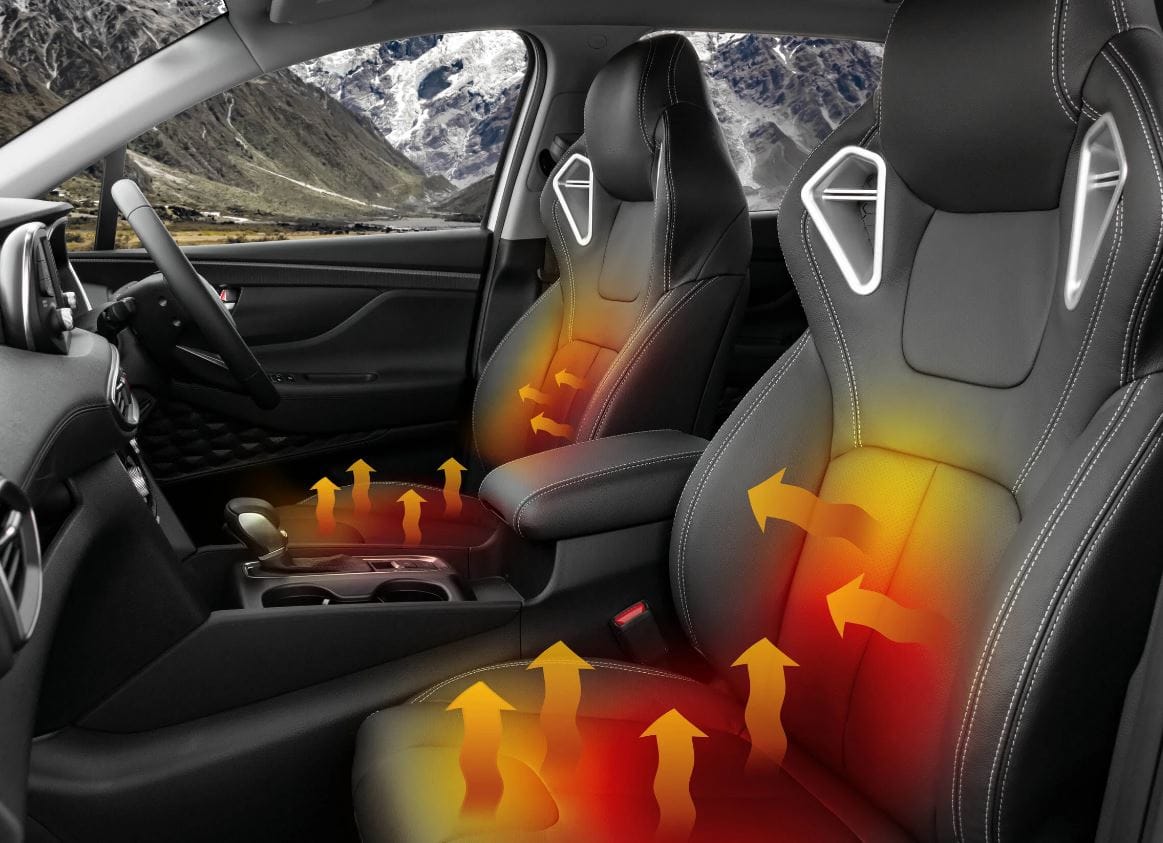
If you own a car with luxurious leather heated seats, you might be wondering: can I protect them with seat covers without sacrificing comfort or functionality? It’s a common question for car owners looking to preserve their interior while enjoying the benefits of heated seating. The short answer is yes, you can—but with important caveats. This guide will walk you through everything you need to know to make an informed, safe decision that protects both your seats and your comfort.
Understanding the Core Concerns
The hesitation around placing seat covers over leather heated seats stems from three main issues:
- Heat Transfer: Will the covers block the warmth from reaching you?
- Material Safety: Can the covers withstand or trap heat, causing damage?
- System Interference: Could covers impact the seat’s sensors or electrical components?
Fortunately, with modern materials and proper fit, these concerns can be effectively managed.
Key Factors to Consider Before Buying
Not all seat covers are created equal, especially when heated seats are involved. Here are the non-negotiable factors to evaluate:
- Material Breathability & Thickness: Covers must be thin and thermally conductive to allow heat to pass through efficiently.
- Proper Fit (Semi-Universal or Custom): Loose covers can wrinkle, creating uneven heat pockets and potential safety risks.
- Fastening System: Look for non-invasive systems (like straps or hooks) that avoid pressing directly on heating elements or seat sensors.
- Venting & Perforation: Perforated materials (like mesh or perforated leatherette) significantly improve heat transfer.
Seat Cover Material Comparison for Heated Seats
The table below breaks down common seat cover materials and their compatibility with heated seats.
| Material Type | Heat Transfer Efficiency | Durability | Comfort & Feel | Best For |
|---|---|---|---|---|
| Neoprene | Good | Excellent | Sporty, cushiony | All-weather protection; active lifestyles. |
| Perforated Leather/PU | Excellent | Very Good | Luxurious, OEM-like | Maintaining a premium look with good heat flow. |
| Premium Velour/Fabric | Good | Good | Soft, cozy | Cold climates; comfort-focused; slightly slower heat-up. |
| Sheepskin/Faux Shearling | Fair to Poor | Good | Very plush, warm | Not ideal. Can insulate too well, blocking heat. |
| Mesh/Fabric Hybrid | Excellent | Good | Breathable, sporty | Optimal heat transfer; great for vented seats. |
| Cheap Universal PVC | Poor | Poor | Stiff, plastic-like | Avoid. Can melt, crack, or block all heat. |
Installation & Safety: A Step-by-Step Approach
1. Check Your Owner’s Manual: Some manufacturers advise against seat covers due to integrated side-airbag systems. Never cover side-airbag deployment zones unless the cover is certified airbag-compatible (with designated “Airbag” tags on the seams).
2. Test the Heating System: Before installation, run your heated seats on high for 5 minutes. Note the heat-up time and feel for any uneven areas. This gives you a baseline.
3. Install Precisely: Follow the cover’s instructions meticulously. Ensure it’s snug, with no large wrinkles or folds that could create pressure points on the heating coils.
4. Post-Installation Test: After installing, run the heated seats again. Start on a low setting and monitor. You will likely notice a slightly longer heat-up time (typically 1-3 extra minutes). The heat should feel even, not intensely focused in small spots.
Pros and Cons at a Glance
| Pros of Using Seat Covers | Cons & Risks to Mitigate |
|---|---|
| ✅ Protects leather from scratches, sun damage, and wear. | ❌ Potential reduced efficiency: Heat may be slightly muted or slower. |
| ✅ Adds personal style and customization to your interior. | ❌ Improper fit can damage heating elements or cause overheating. |
| ✅ Easier to clean (washing a cover vs. conditioning leather). | ❌ Can void warranty if damage is linked to aftermarket covers. |
| ✅ Can improve comfort (adding cooling mesh or extra cushioning). | ❌ Airbag interference if covers are not specifically designed for it. |
Our Top Recommendations
For the best results, we recommend:
- Custom-Fit, Airbag-Compatible Covers: Brands like Covercraft, Wet Okole, or Clazzio offer models specifically designed for your make/model, with precise perforations and safe fastening.
- Look for “Heated Seat Compatible” Labels: This is becoming a common feature in product descriptions.
- Material Choice: Perforated neoprene or breathable fabric hybrids offer the best balance of protection, heat transfer, and durability.
The Verdict
Yes, you can safely use seat covers on leather heated seats, provided you choose the right product. Prioritize a snug, custom fit, select a thermally conductive material like perforated neoprene or leather, and always ensure side-airbag compatibility. The minor trade-off in slightly reduced heating efficiency is often well worth the superior protection for your valuable leather upholstery.
By taking these informed steps, you can enjoy the dual benefits of a protected interior and a warm, comfortable ride for years to come.