The Ultimate Guide to Cleaning the Bottom of Your Boat
Why Cleaning Your Boat’s Hull is Non-Negotiable
For boat owners, an out-of-sight, out-of-mind attitude towards the hull’s underside can lead to serious—and expensive—consequences. A fouled hull covered in algae, barnacles, and slime creates drag, which can reduce fuel efficiency by up to 30%, increase engine strain, and drastically cut your speed. Beyond performance, neglecting this critical maintenance can lead to permanent gelcoat staining and even accelerate corrosion. Regular cleaning protects your investment, maintains performance, and is often required by marinas to prevent the spread of invasive species.
This guide will walk you through every step, from method selection to a polished finish, ensuring your boat runs smoothly and efficiently all season long.
Understanding Your Foe: Types of Hull Fouling
Before you start cleaning, know what you’re dealing with. The approach differs based on the type of growth.
| Type of Fouling | Appearance | Difficulty to Remove | Preferred Cleaning Method |
|---|---|---|---|
| Slime/Algae | Green/brown slippery film. | Easy | Soft brush or cloth; light cleaner. |
| Barnacles | Hard, white, cone-shaped crustaceans. | Hard | Plastic scraper, then heavy-duty cleaner. Soaking helps. |
| Mussels | Dark, clustered shells. | Moderate-Hard | Plastic scraper; often need to be pried off carefully. |
| Grass/Weeds | Long, stringy plant material. | Easy | Usually hand-removal; soft brush. |
Choosing Your Weapons: Cleaning Solutions & Tools
Selecting a Cleaner:
- For Light Slime: A simple mixture of boat soap (biodegradable) and water often suffices.
- For Moderate Growth: Use a dedicated hull cleaner (acid-based for stains, oxalic acid for rust stains, or citric-based for a greener option).
- For Heavy Growth & Stains: On-water approved cleaners are crucial if you’re cleaning in the water to comply with environmental regulations. Always check labels.
Tool Kit Essentials:
- Scrapers: Plastic or brass scrapers only. Never use steel scrapers on fiberglass, as they cause deep scratches and expose the substrate.
- Brushes: Long-handled soft-bristle and medium-bristle brushes. Consider a telescopic pole for reach.
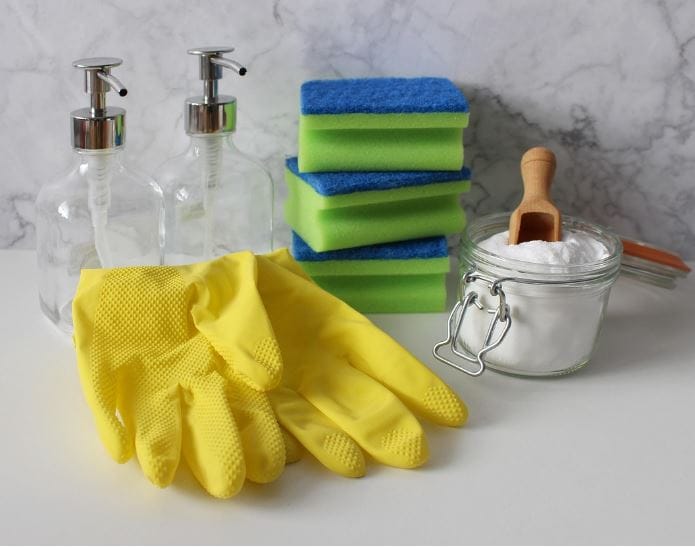
- Sponges & Cloths: For application and gentle wiping.
- Safety Gear: Gloves, goggles, and protective clothing are mandatory when using chemical cleaners.
- Support: A stable dinghy, dock, or boat lift platform.
Step-by-Step Cleaning Process
Scenario A: Cleaning on a Trailer or Dry Dock
This is the ideal and most thorough scenario.
- Rinse First: Use a pressure washer on a low setting to blast off loose debris, grass, and surface slime. Avoid high pressure on gelcoat, especially near fittings and seals.
- Apply Cleaner: Apply your chosen cleaner according to the manufacturer’s instructions. Work in manageable sections (e.g., 4×4 foot areas). For tough stains, let the cleaner dwell but not dry out.
- Scrub & Scrape: Use a plastic scraper for barnacles. Follow with a stiff brush for remaining residue, then a soft brush for final cleaning. Always scrub in a circular motion to minimize visible scratches.
- Final Rinse: Rinse the hull thoroughly with clean water, ensuring all cleaner residue is gone.
- Inspect & Protect: Once dry, inspect for any damage or blisters. Apply a new coat of anti-fouling paint if needed, following the specific product’s preparation guidelines.
Scenario B: Cleaning In-Water (Where Permitted)
This is for maintenance between hauls. Critical: You must use eco-friendly, on-water cleaners legally approved for use in your body of water.
- Dive or Dinghy: Equip yourself with a snorkel/mask or work from a stable dinghy.
- Hand Removal: Gently remove large weeds by hand.
- Wipe & Brush: Using an approved cleaner and a soft pad or brush, clean the hull. Avoid aggressive scraping that could release antifouling toxins or damage the coating.
- Regularity: Frequent, gentle in-water cleaning is more effective than waiting for heavy growth.
Proactive Protection: Anti-Fouling Paints Compared
The best cleaning strategy is to prevent heavy growth in the first place. Here’s a comparison of the main anti-fouling paint types.
| Type of Anti-Fouling Paint | How It Works | Best For | Re-application Frequency |
|---|---|---|---|
| Ablative (Sloughing) | Slowly wears away, releasing biocides and exposing a fresh layer. | Trailered boats & frequent cruisers; environmentally friendlier as layers shed slowly. | 1-2 seasons |
| Hard (Modified Epoxy) | Forms a hard, slick surface; biocide leaches out. | High-performance hulls, racing boats, vessels in high-abrasion areas (e.g., beaching). | 2+ seasons |
| Hybrid | Combines characteristics of both ablative and hard paints. | A versatile choice for many recreational boaters. | 1-2 seasons |
Important: Always check local regulations regarding allowed biocides (e.g., copper content restrictions).
Safety & Environmental Checklist
- ✅ Never use toxic cleaners (like bleach/acid mixes) in the water.
- ✅ Always wear protective gear (gloves, goggles).
- ✅ Contain all runoff when cleaning on land. Use tarps or dedicated wash pads.
- ✅ Dispose of cleaning wastewater properly, not into storm drains.
- ✅ Choose the mildest effective method to protect your gelcoat.
Final Thoughts
Regularly cleaning the bottom of your boat isn’t just a chore—it’s a cornerstone of responsible ownership. It saves you money on fuel and repairs, preserves your boat’s value, and protects the waterways we enjoy. By following this guide, choosing the right tools and cleaners for the job, and maintaining a consistent anti-fouling paint regimen, you’ll ensure every voyage is as efficient and enjoyable as possible.
Ready to set sail with a clean hull? Schedule bi-monthly in-water wipe-downs and stick to an annual haul-out for inspection and painting. Your boat—and your wallet—will thank you.