How to Clean Antifreeze Off Concrete: A Complete Guide
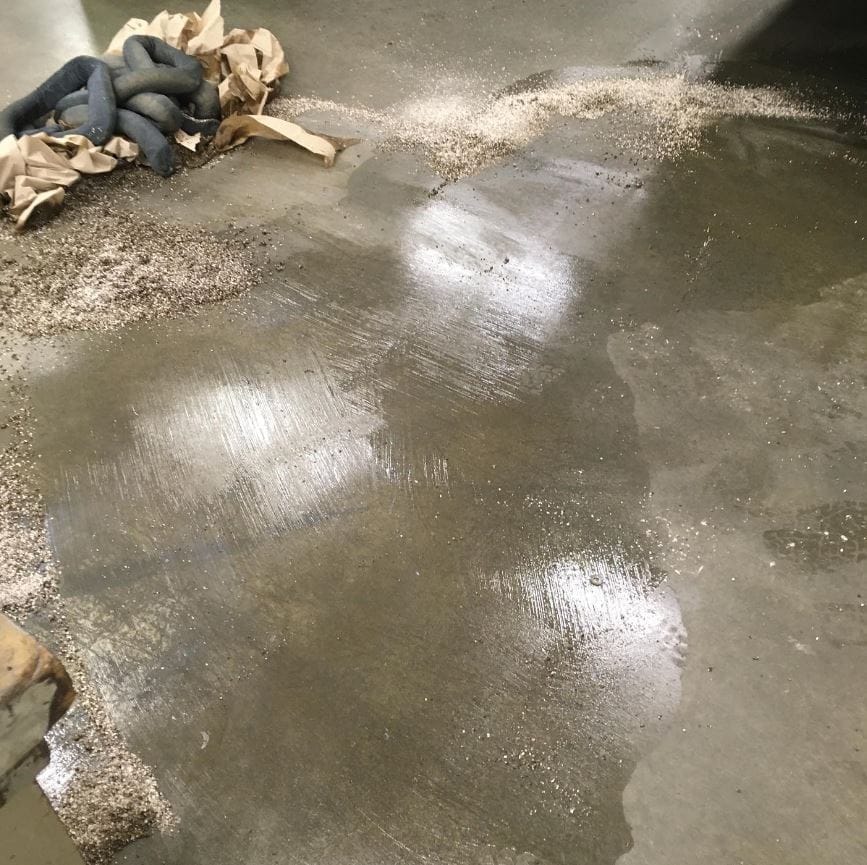
Antifreeze spills on concrete are more than just an eyesore. The ethylene glycol or propylene glycol can create a sticky residue, attract pests, and pose environmental risks. This comprehensive, step-by-step guide will show you the most effective methods to clean antifreeze off concrete, helping you restore your driveway, garage floor, or workshop safely and efficiently.
Why Prompt Antifreeze Cleanup is Crucial
Antifreeze is a challenging substance to remove because it’s designed to resist freezing and boiling. On porous concrete, it can seep deep, leaving behind:
- A persistent, slippery film
- Stains that attract dirt
- A sweet smell that draws animals (which is toxic to them)
- Potential environmental contamination
Act quickly. Fresh spills are far easier to clean than old, set-in stains.
Safety First: Pre-Cleaning Preparations
Before you begin, ensure you are protected:
- Wear gloves and safety goggles. Antifreeze is toxic.
- Work in a well-ventilated area.
- Contain the spill with absorbent materials like cat litter to prevent spreading.
- Keep pets and children away from the area until the cleanup is complete.
Method Comparison Table
Choosing the right method depends on the spill’s size and age. Here’s a quick comparison:
| Method | Best For | Pros | Cons | Effort Level |
|---|---|---|---|---|
| Absorption & Detergent | Fresh, small spills | Simple, uses household items, eco-friendly | Less effective on old stains | Low |
| Vinegar Solution | Light stains, eco-conscious cleaning | Non-toxic, deodorizes, cuts grease | May require multiple applications | Medium |
| TSP (Trisodium Phosphate) | Heavy, stubborn stains | Highly effective, powerful degreaser | Requires safety gear, not eco-friendly | High |
| Commercial Concrete Cleaner | Old, set-in stains or large areas | Maximum power, designed for the task | Chemical handling, higher cost | Medium-High |
| Pressure Washing | Final rinse or large surface areas | Deep cleaning, removes residue | Can damage concrete if misused | Medium-High |
Step-by-Step Cleaning Instructions
For a Fresh Spill
Step 1: Absorb Immediately
Cover the spill with an absorbent material like clay-based cat litter, sawdust, or baking soda. Let it sit for 15-30 minutes to soak up the liquid, then sweep it up and dispose of it properly in a sealed bag.
Step 2: Scrub with a Degreasing Solution
Create a cleaning solution:
- 1 gallon of hot water
- 1 cup of dish soap or laundry detergent (for grease-fighting)
- 1 cup of white vinegar
Scrub vigorously with a stiff-bristle brush. The vinegar helps cut the glycol base.
Step 3: Rinse Thoroughly
Rinse the area completely with clean water. A garden hose or pressure washer on a low setting works well.
For an Old, Stubborn Antifreeze Stain
Step 1: Pre-Treat with TSP or Heavy-Duty Cleaner
- For TSP: Follow package directions to mix with hot water. Apply to the stain and let it sit for 15-20 minutes. Always wear gloves and goggles.
- For a commercial concrete degreaser: Apply as directed, usually requiring dwell time.
Step 2: Agitate and Scrub
Use a push broom or deck brush with stiff bristles to agitate the cleaner into the concrete pores. For severe stains, a nylon-bristle brush on a drill can provide powerful scrubbing action.
Step 3: Pressure Wash (The Key for Porous Concrete)
Use a pressure washer (1,500 – 2,500 PSI) with a 25-degree nozzle. The force helps blast the broken-down antifreeze from the concrete’s pores. Hold the nozzle 6-8 inches from the surface and work in sections.
Step 4: Apply a Stain Remover Paste (If Stain Persists)
Make a paste from absorbent material (like cat litter or baking soda) and acetone or isopropyl alcohol. Spread it over the stain to about 1/4 inch thick. Let it dry completely—this can take a day or more. The paste will draw the stain out of the concrete as it dries. Sweep away.
The Role of Absorbents: Which One to Choose?
Different absorbents work better for different stages. Here’s a breakdown:
| Absorbent Material | Best Use Case | How It Works | Effectiveness |
|---|---|---|---|
| Clay Cat Litter | Initial liquid absorption | Soaks up fresh liquid quickly | Excellent for spill containment |
| Baking Soda | Small spills, odor neutralization | Absorbs and helps deodorize | Good for final paste treatment |
| Sawdust | Large area spills | Inexpensive, highly absorbent | Good, but can be messy |
| Commercial Oil-Dry | Industrial or large spills | Designed for automotive fluids | Excellent, high capacity |
Pro Tips and Preventive Measures
- Test First: Always test any cleaner (especially acids or strong solvents) on a small, hidden area of your concrete first.
- Seal Your Concrete: Once clean and fully dry, apply a quality concrete sealer. This creates a protective barrier, making future cleanups much easier.
- Work in Cooler Weather: Clean on a cloudy day or in the shade. Hot sun can cause cleaners to evaporate too quickly, reducing effectiveness.
- Environmental Responsibility: Never let antifreeze or runoff enter storm drains. Collect wash water with wet vacs or use absorbents to contain it. Dispose of used absorbents at a hazardous waste facility.
When to Call a Professional
Consider hiring a professional pressure washing or concrete cleaning service if:
- The stain covers a very large area.
- You’ve tried multiple methods without success.
- The concrete is already damaged or fragile.
- You are not comfortable using a pressure washer or chemical cleaners.
Final Recap and Key Takeaways
- Speed is critical. Tackle antifreeze spills immediately.
- Absorb, then wash. Always remove as much liquid as possible before applying water or cleaners.
- Mechanical action is non-negotiable. A stiff brush or pressure washer is essential for porous concrete.
- Protect yourself and the environment. Use proper gear and prevent contaminated runoff.
- Seal the concrete after cleaning to guard against future stains.
By following this structured guide, you can effectively remove unsightly and hazardous antifreeze stains from your concrete, restoring its appearance and ensuring a safe, clean surface.