The Ultimate Guide: How to Clean a Silo Safely and Efficiently
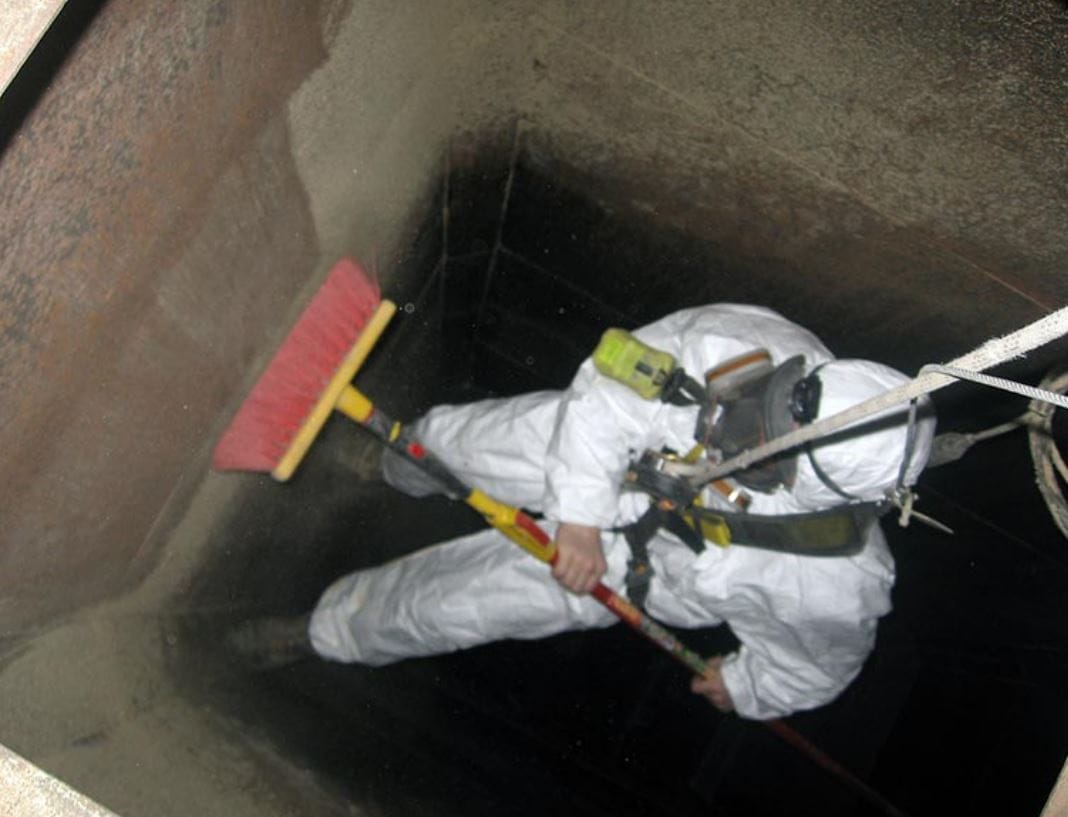
Cleaning a silo is a critical maintenance task for ensuring product quality, operational efficiency, and workplace safety. Whether used for grain, cement, food products, or other materials, silos require regular cleaning to prevent contamination, clogging, and structural issues. This comprehensive, step-by-step guide will walk you through the process, highlight essential safety protocols, and help you choose the right method for your silo type.
Why Regular Silo Cleaning is Non-Negotiable
Silos are prone to material buildup, moisture accumulation, and spoilage. Neglected silos can lead to:
- Product Contamination: Old residue spoils new material.
- Reduced Capacity: Buildup decreases storage volume.
- Structural Hazards: Uneven pressure or corrosive materials can damage walls.
- Fire and Explosion Risks: Certain dusts (e.g., grain, coal) are highly combustible.
- Health Risks: Mold, fungi, and toxic gases can create confined space dangers.
Pre-Cleaning: Safety and Preparation is Paramount
Never skip this phase. Silo cleaning involves significant risks, including confined spaces, toxic atmospheres, and entrapment.
- Permit and Plan: Designate a “competent person” to evaluate hazards. Obtain a Confined Space Entry Permit if required.
- Lock Out/Tag Out (LOTO): Completely isolate all electrical, mechanical, and pneumatic systems connected to the silo.
- Atmosphere Testing: Use gas monitors to check for oxygen levels, toxic gases (like CO2, H2S), and combustible dust before and during entry.
- Assemble PPE & Team: Ensure all personnel have:
- Harness and lifeline with retrieval system
- Respirator (appropriate for hazards)
- Protective clothing, gloves, helmet, and safety glasses
- Communication equipment
- A dedicated attendant outside the silo.
Step-by-Step Silo Cleaning Procedure
Step 1: Emptying and Ventilation
Fully empty the silo using existing discharge equipment. Use high-powered ventilation fans to purge dust and ensure fresh air circulation for at least 30 minutes before entry.
Step 2: Initial Inspection & Manual Removal
After confirming a safe atmosphere, visually inspect with a flashlight. Use long-reach tools from the top access point to dislodge and remove obvious buildup, crusts, or “rat-holing” material.
Step 3: Choosing Your Primary Cleaning Method
The choice of method depends on the residue, silo construction, and budget. Here are the most common techniques:
| Method | Best For | Pros | Cons | Safety Consideration |
|---|---|---|---|---|
| Manual Cleaning | Small silos, spot cleaning, fragile liners. | Low cost, precise, no specialized equipment. | Labor-intensive, high risk, slow. | STRICT confined space protocols mandatory. |
| Silo Cleaning Robots | Large silos, grain, flour, combustible dust. | No human entry, highly efficient, reduces downtime. | High initial investment, requires training. | Eliminates entry hazard. Must be intrinsically safe for dusty areas. |
| Air Lancing | Hardened cement, plaster, stubborn buildup. | Powerful, effective on concrete-like materials. | Creates extreme dust, can damage some liners. | Requires respiratory protection and dust control. |
| Water Blasting | Food-grade silos, liquid storage tanks. | Thorough cleaning, sanitization possible. | Wastewater disposal, may cause rust if not dried. | Slip hazard, ensure electrical equipment is isolated. |
| Specialized Vacuum | Fine powders, toxic materials, sensitive environments. | Contains dust, clean process. | Equipment can be expensive to rent/hire. | Ensure vacuum is rated for the material (explosion-proof if needed). |
Step 4: Detailed Cleaning & Finishing
Once bulk residue is removed, crews (or robots) perform detailed cleaning of walls and floor. Use appropriate tools—plastic scrapers for coated metal, stiff brushes for concrete. For food-grade silos, a final sanitizing wash may be required.
Step 5: Final Inspection and Restart
Conduct a thorough visual inspection. Check for any damage, corrosion, or wear. Ensure the discharge valve is clear. Only after the silo is confirmed clean and intact should you remove LOTO, close access points, and restart systems.
Critical Do’s and Don’ts
| Do’s | Don’ts |
|---|---|
| ✅ Follow confined space regulations to the letter. | ❌ Never enter a silo alone or without a harness/lifeline. |
| ✅ Test the atmosphere continuously. | ❌ Assume the air is safe because it was yesterday. |
| ✅ Use fall protection at all times. | ❌ Stand on accumulated product—it can collapse. |
| ✅ Hire professional silo cleaning services for large or high-risk jobs. | ❌ Use water to clean combustible dust (can create compaction hazards). |
When to Call a Professional Silo Cleaning Service
Consider hiring experts if:
- The silo stores combustible or toxic materials.
- You detect strong odors, visible mold, or pest infestation.
- Buildup is severe or involves dangerous “bridging.”
- Your team lacks specific confined space training and equipment.
Conclusion
Knowing how to clean a silo is essential for facility managers in agriculture, construction, and manufacturing. The cornerstone of the process is an unwavering commitment to safety, followed by a methodical approach tailored to your silo’s content and design. By adhering to this guide, prioritizing hazard prevention, and leveraging the right cleaning method, you can maintain your silos effectively, protect your product integrity, and ensure the well-being of your workforce.