The Complete Guide to Cleaning a Rough Out Saddle: Preserve Grip & Longevity
Introduction: Why Rough Out Saddle Care is Different
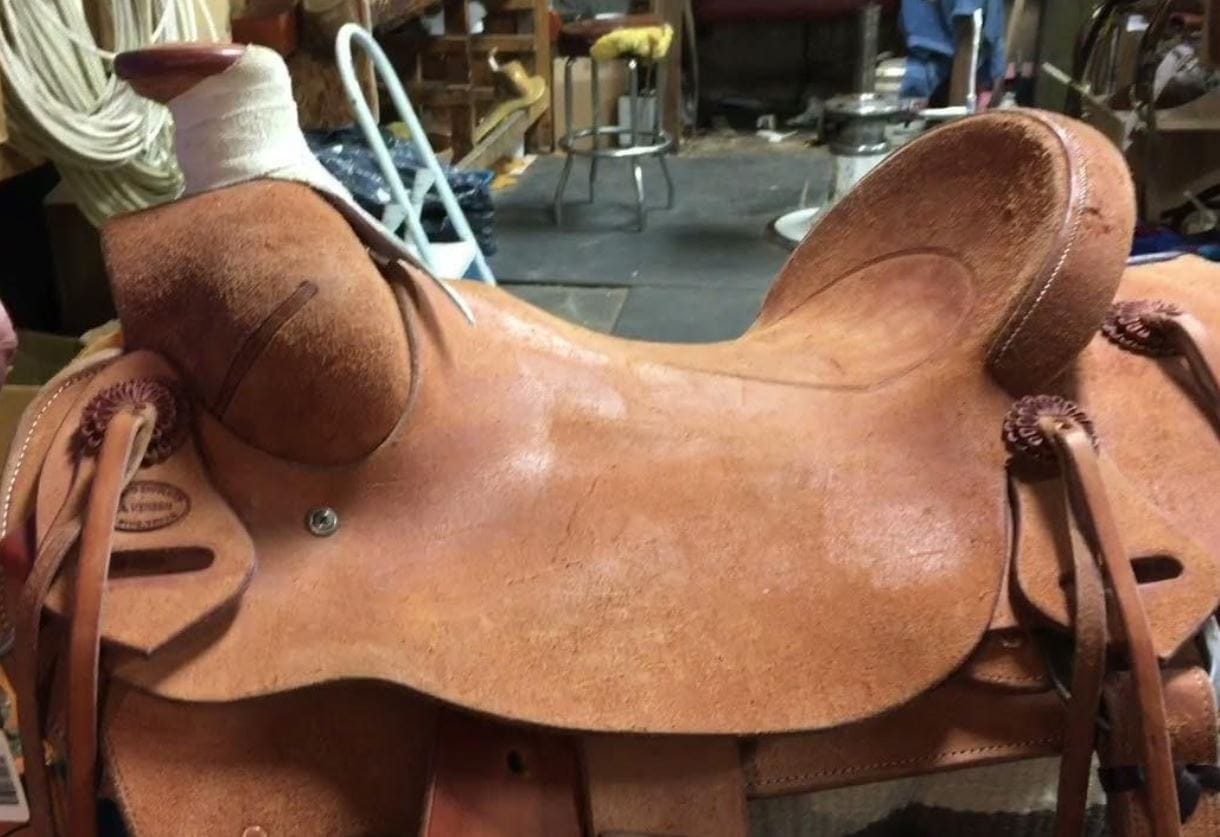
A rough out saddle, with its suede-like, napped leather exterior, offers superior grip and a classic working look. However, its unique texture also makes it a magnet for dirt, sweat, and oils. Proper cleaning isn’t just about aesthetics—it’s essential for maintaining the saddle’s safety, comfort, and lifespan. Unlike smooth leather, rough out requires specific techniques to clean effectively without damaging the crucial nap that provides friction. This guide will walk you through the proven, step-by-step process to clean your rough out saddle, ensuring it performs beautifully for years to come.
Understanding Your Rough Out Saddle
Rough out leather is created by turning the hide inside-out, using the fibrous, “rough” side of the hide as the exterior. This surface is then lightly brushed to raise a nap.
Key Principle: The goal is to clean the nap without matting it down. Using products or methods designed for smooth leather (like oils or glycerin soaps) will clog the fibers, reducing grip and altering the saddle’s character.
Step-by-Step Cleaning Process
Step 1: Dry Removal of Dirt & Debris
- Tool: A dedicated stiff-bristled nylon brush (like a nail brush) or a specialized rough out rubber grooming block.
- Action: Always start with a dry saddle. Vigorously brush the entire surface with the grain of the nap (usually front to back on the seat, top to bottom on fenders). This dislodges dried mud and surface dirt.
- Pro Tip: Perform this dry brush before every ride to prevent dirt from grinding into the fibers.
Step 2: Addressing Stains & Deep Grime
- Tool: A stiff-bristled brush and saddle soap made for rough out/suede (like Fiebing’s Saddle Soap for Suede & Roughout).
- Action: Dampen your brush with clean water, work up a light lather with the soap, and scrub soiled areas in a circular motion. Use minimal water—you want a foam, not a soak.
- Wipe any excess soap with a barely damp cloth. Allow the saddle to air dry completely, away from direct heat sources.
Step 3: Restoring the Nap
- Tool: A horsehair bristle brush or a suede/nubuck brush.
- Action: Once bone-dry, brush the entire surface with the grain using the softer brush. This stands the nap back up, restoring the velvety texture and grip.
Step 4: Conditioning (The Controversial Step)
- Warning: Traditional conditioners and oils are generally NOT recommended as they saturate and darken the nap.
- Solution: If the leather feels overly dry or stiff after cleaning, use a water-based conditioner or rejuvenator designed specifically for rough out/suede. Apply sparingly with a cloth, let dry fully, and re-brush.
Product Comparison Table: Choosing the Right Tools
| Product Type | Recommended For Rough Out? | Brand Examples | Purpose & Notes |
|---|---|---|---|
| Glycerin Saddle Soap | ❌ No | Lexol, Fiebing’s Glycerin | For smooth leather. Can leave a residue that mats rough out nap. |
| Rough Out/Suede Soap | ✅ Yes | Fiebing’s Suede & Roughout Soap | pH-balanced to clean without damaging the delicate fibers. |
| Leather Oil/Conditioner | ❌ No | Neatsfoot Oil, Huberd’s Shoe Grease | Will permanently darken and flatten the nap, reducing grip. |
| Water-Based Rejuvenator | ✅ Yes (Sparingly) | Leather Therapy Rejuvenator | Can add moisture back without oils. Test in a small area first. |
| Silicone/Rayon Spray | ⚠️ With Caution | Kiwi Suede Protector | Can offer short-term water resistance but may alter feel. Avoid heavy use. |
| Stiff Nylon Brush | ✅ Yes | Any equine nail brush | For daily dry brushing and scrubbing with soap. |
| Suede/Nubuck Brush | ✅ Yes | Any suede care brush | Essential final step to restore the raised nap. |
What to Avoid: Common Rough Out Cleaning Mistakes
To protect your investment, steer clear of these errors:
- Using Household Cleaners: Soaps with detergents or degreasers will strip and dry out the leather.
- Pressure Washing or Soaking: Saturating the leather can cause stiffness, shrinkage, and damage to stitching and the tree.
- Storing While Damp: This is the primary cause of mold and mildew.
- Brushing Against the Nap: This can permanently disturb the texture and appearance.
- Over-Conditioning: More is not better. Excess product is the fastest way to ruin the saddle’s grip.
Maintenance Schedule Table
| Frequency | Task | Goal |
|---|---|---|
| After Every Ride | Dry brush with stiff nylon brush. | Remove abrasive dirt and sweat before it embeds. |
| Weekly (With Regular Use) | Light soap cleaning with rough out soap. | Address sweat marks and light grime. |
| Monthly / As Needed | Deep clean with soap and water, followed by re-brushing. | Tackle stubborn stains and overall soil buildup. |
| 1-2 Times Per Year | Assess leather dryness; apply water-based rejuvenator if needed. | Prevent leather from becoming brittle. |
| As Needed | Use a rubber grooming block for heavily caked-on mud. | Quick, dry cleaning without moisture. |
Conclusion: Consistency is Key
Cleaning a rough out saddle is straightforward once you understand its unique needs. The mantra is “dry brush often, clean with the right products, and never over-saturate.” By incorporating simple, regular maintenance into your routine, you’ll preserve the exceptional grip, rugged beauty, and durability that make a rough out saddle a favorite among working riders and performance equestrians alike. Your saddle is a tool and a companion—proper care ensures it’s always ready for the next ride.