The Dynamic Duo: How to Clean Your Tub with Vinegar and Dish Soap
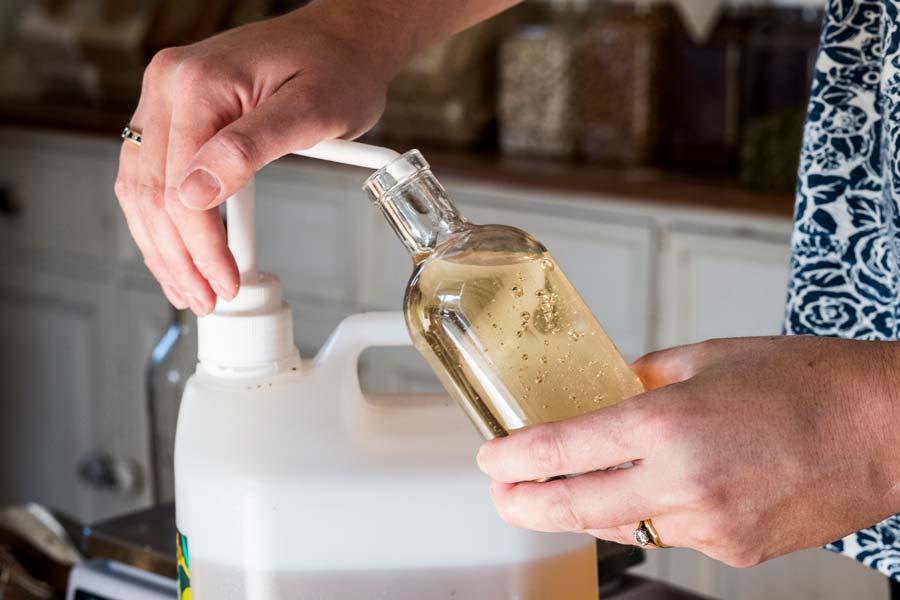
Tired of harsh chemical fumes and expensive, specialized cleaners? Look no further than your pantry and kitchen sink. The combination of white vinegar and dish soap is a legendary, all-natural cleaning hack that rivals even the strongest commercial products. This powerful, non-toxic solution can cut through soap scum, dissolve hard water stains, and leave your bathtub sparkling without the noxious residue.
In this guide, we’ll break down the science behind this method, provide a step-by-step cleaning recipe, and show you exactly when to use it versus when you might need a heavier-duty option.
Why It Works: The Science of Simple Ingredients
The effectiveness of this cleaner isn’t magic—it’s chemistry.
- White Vinegar: This is a mild acid (acetic acid). Its primary role is to break down and dissolve mineral deposits like limescale and hard water stains. The acidity also helps to kill certain types of mold, mildew, and bacteria.
- Dish Soap: Dish soap is a degreaser and surfactant. It’s designed to cut through grease, oils, and—most importantly for your tub—soap scum. Soap scum is a combination of the oils in your soap and minerals in the water, and dish soap is perfectly formulated to emulsify and lift it away.
When combined, you get a one-two punch: the vinegar dissolves the mineral content, while the dish soap lifts and suspends the oily grime, making it easy to wipe away.
A Cleaning Expert’s Insight:
“The vinegar and dish soap combo is a perfect example of synergy in cleaning. Neither is as effective alone. The acid weakens the bonds of the grime, and the surfactant encapsulates it, allowing for easy removal without the need for excessive scrubbing. It’s a brilliant, low-cost solution for routine maintenance.” — Jane Miller, Founder of EcoClean Solutions.
Your Step-by-Step Guide to a Sparkling Tub
Follow this simple method for the best results.
What You’ll Need:
- White vinegar (distilled)
- Blue Dawn dish soap (or a similar, concentrated brand)
- A spray bottle
- A soft sponge or microfiber cloth
- An old toothbrush (for corners and fixtures)
- Warm water
The Process:
- Create the Cleaning Solution: For a pre-mixed solution, combine equal parts white vinegar and dish soap in a spray bottle. Do not add water, as it can dilute the effectiveness. For tough stains, you can use a 2:1 ratio of vinegar to soap.
- Apply Generously: Spray the mixture liberally all over the surface of your tub, paying special attention to areas with visible soap scum, rings, or hard water stains.
- Let It Dwell: This is the most critical step! Leave the solution on the tub for at least 15-20 minutes, or even longer for heavy buildup. You’ll see it start to work, with grime slowly breaking down.
- Scrub Gently: After the dwell time, use your damp sponge or cloth to scrub the tub. The grime should come off with minimal effort. Use the old toothbrush to get into the drain, faucet, and any tight corners.
- Rinse Thoroughly: Rinse the entire tub with warm water, wiping away all the cleaning solution and dissolved grime.
- Dry for a Shine: Use a clean, dry towel to wipe down the tub. This prevents new water spots and gives it a brilliant, streak-free shine.

Vinegar & Dish Soap vs. Commercial Cleaners
Is this natural solution right for every job? The following table breaks down how it stacks up against store-bought alternatives.
| Feature | Vinegar & Dish Soap | Common Commercial Cleaners |
|---|---|---|
| Cost | Extremely low-cost (pennies per use) | Moderate to high cost |
| Ingredients | Natural, non-toxic, biodegradable | Often contain harsh chemicals (bleach, ammonia, phosphates) |
| Safety | Safe for kids, pets, and septic systems; no harsh fumes | Can cause respiratory irritation; requires ventilation |
| Effectiveness on Soap Scum | Excellent | Excellent |
| Effectiveness on Hard Water Stains | Good to Very Good | Varies; some are specifically formulated for this |
| Effectiveness on Mold/Mildew | Fair (vinegar kills ~82% of mold species) | Excellent (especially bleach-based ones) |
| Surface Safety | Generally safe on porcelain, ceramic, and acrylic | Can be abrasive or corrosive to certain surfaces |
Pro Tips and Important Warnings
To get the most out of this method and avoid any mishaps, keep these points in mind.
- Never Mix Vinegar with Bleach: This combination creates toxic chlorine gas, which is extremely dangerous. Ensure your tub is free of any other cleaning residues before applying your vinegar solution.
- Test on Surfaces First: While generally safe, always test a small, inconspicuous area first, especially on natural stone like marble or granite, as the acid in vinegar can etch and damage these surfaces.
- Use Warm Vinegar: For an extra boost, gently warm the vinegar before mixing it with the dish soap. Heat accelerates the chemical reaction, making it even more effective at breaking down grime.
- The “Paste” Method for Vertical Surfaces: For shower walls, you can create a thicker paste. Mix the vinegar and dish soap in a bowl and add a tablespoon or two of baking soda. It will fizz, then create a spreadable paste that can cling to vertical surfaces without dripping.
Conclusion: A Staple for Your Cleaning Arsenal
The vinegar and dish soap tub cleaner is more than just a internet fad; it’s a proven, effective, and incredibly economical way to maintain a clean and fresh bathroom. It empowers you to avoid harsh chemicals without compromising on results. For your weekly or bi-weekly clean, this dynamic duo is all you need. For persistent mold or severe limescale, you may still need a specialized product, but for everyday grime, this natural powerhouse is truly a cleaning champion.