Important Tips for Maintaining Heat Pumps After Installation in Homes
Maintaining a heat pump is crucial for ensuring its efficiency and longevity. A well-maintained unit can provide optimal heating and cooling while reducing energy costs. After your heat pump installation, you’ll want to adopt practices that will enhance its performance. Regular care extends the lifespan of your system and ensures your home remains comfortable throughout the seasons. Here are some important tips to keep your heat pump in peak condition.
Regularly Check the Air Filters
One of the most important maintenance tasks for your heat pump is to routinely check and replace the air filters. Dirty filters can hinder airflow, making the system work harder to circulate air. This strain can lead to higher energy bills and premature wear and tear. It is advisable to inspect your filters every month and change them at least every three months or as needed.
Keeping your filters clean enhances efficiency and contributes to better indoor air quality by filtering out dust, allergens, and other pollutants. If you notice a significant build-up of dirt or if you live in an area with higher pollen counts, more frequent changes may be necessary. Remember, a clean filter is a simple yet effective way to prolong your heat pump’s lifespan.
Schedule Regular Professional Maintenance
Hiring a professional to service your heat pump regularly is important for keeping it in optimal condition. Schedule a maintenance appointment with an experienced technician who understands the intricacies of heat pumps. Professional maintenance typically includes thorough checks of the refrigerant levels, electrical components, and the mechanical systems. Technicians will take the time to clean the internal components, which can accumulate debris and reduce efficiency.
They will identify potential issues before they become serious problems, saving you from costly repairs later. According to heat pump installation Hamilton experts, choosing a reliable service provider can streamline this process and give you peace of mind that your system is in the right hands. With consistent professional care, your heat pump will run more efficiently and last much longer.
Ensure Proper Insulation around the Unit
Proper insulation is necessary to avoid energy loss and enhance the heat pump’s performance. The area surrounding your heat pump should be well-insulated to retain heat during colder months and reduce the strain on the system. Check for drafts and seal any gaps around windows, doors, and walls leading to the heat pump.
Make sure that any ducts leading from the heat pump to the living spaces are insulated. This prevents heat loss and retains efficiency in heating and cooling. In colder climates, using insulation blankets for refrigerant lines can further protect them from freezing and ensure optimal performance year-round.
Keep the Outdoor Unit Clear
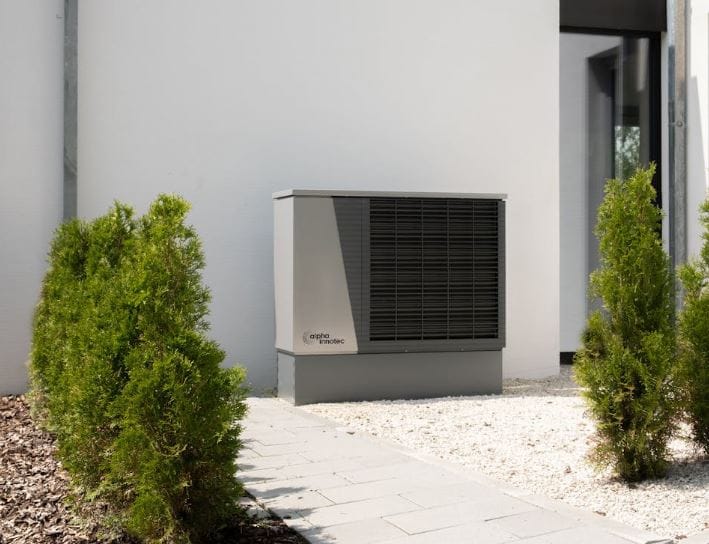
The outdoor unit of a heat pump is just as important as the indoor components. Regularly inspect it for any obstructions, such as leaves, snow, or debris, that could block airflow. A clear space of at least two feet around the unit will allow it to operate efficiently. In winter, ensure that snow is regularly removed from the outdoor unit, and check for icicles that could fall and damage it.
Failing to do this can compromise performance and lead to serious, expensive repairs. Keep the area around the unit free from vegetation that might overgrow and obstruct airflow. A well-maintained outdoor unit will run more efficiently and support the heating and cooling needs of your home.
Understand Thermostat Settings
Getting the most out of your heat pump often involves fine-tuning your thermostat settings. Smart thermostats can be especially beneficial, allowing you to set schedules and make adjustments remotely. Pay attention to the heating and cooling modes, ensuring they match the seasons and your comfort needs.
Avoid setting the thermostat too high in winter or too low in summer, as it can make the system work harder and consume more energy. In the shoulder seasons, consider setting it to a moderate temperature to reduce strain. A simple understanding of your thermostat can significantly improve energy efficiency and comfort.
Monitor System Performance
Keep an eye on how your heat pump is performing. Unusual noises, odors, or significant changes in heating or cooling effectiveness can indicate a problem. Pay attention to energy bills, as a sudden increase in costs might hint at a malfunctioning unit. These problems can be resolved easily if caught early.
Document any changes in performance and communicate with your technician during maintenance visits. This proactive approach helps identify trends that could signal serious issues before they escalate into expensive repairs
Maintaining your heat pump should not be a daunting task. By implementing these important tips, you can create a comfortable environment while ensuring your system operates efficiently. Regular filter replacements, professional maintenance checks, and proper insulation, as well as being proactive about performance monitoring, will extend the longevity of your heat pump. Remember, a little effort goes a long way in prolonging the life of your home’s heating and cooling system.