How to Combine Doors and Furniture for a Perfect Interior
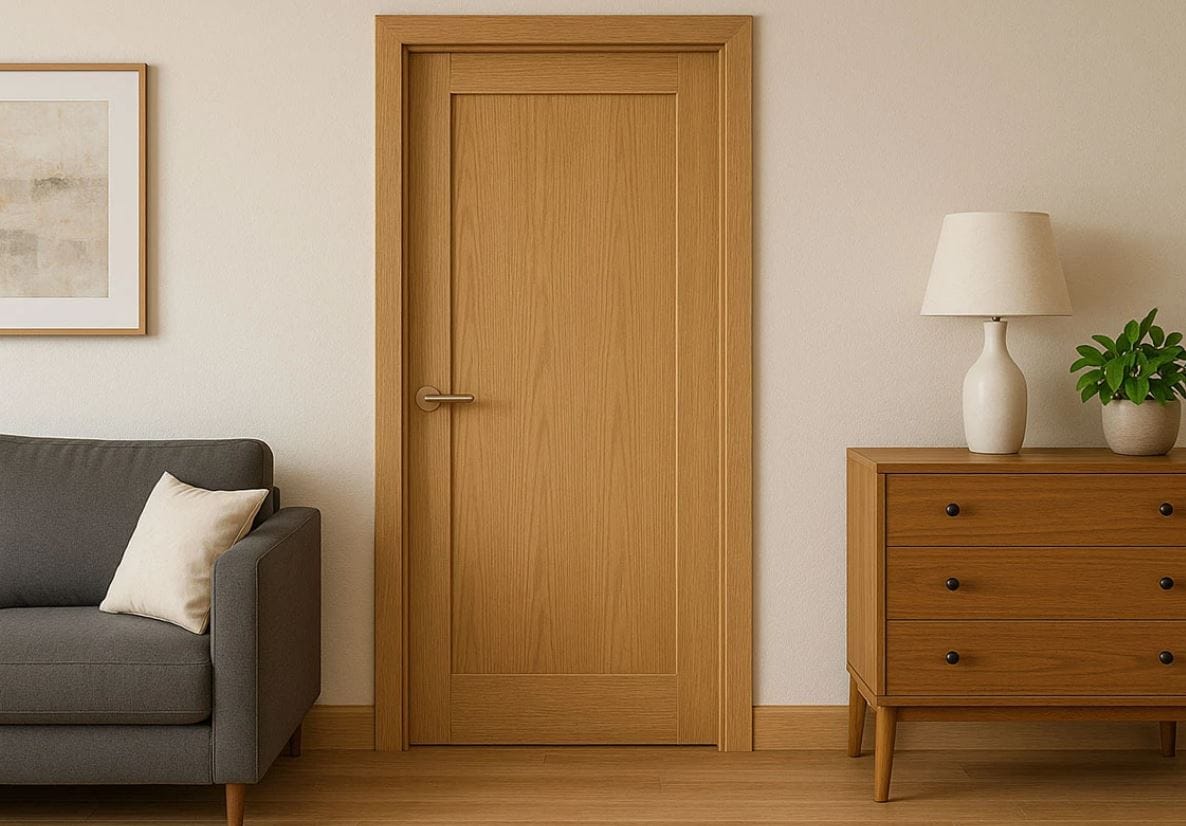
Every detail in the home speaks a language of its own — the lines of the furniture, the shades of the walls, the texture of the floors, and, of course, the elegance of the doors. When all these elements are woven together, the house transforms into a story of harmony and comfort. If you are searching for inspiration, take a look at this https://indigodoors.com/photos/ where doors and furniture meet in perfect balance.
Choosing the right combination of doors and furniture is not just about color matching. It is about creating an atmosphere that reflects lifestyle, personality, and even the rhythm of everyday life. A wrong choice can turn a cozy home into a chaotic space, while the right combination can make the room breathe with unity and elegance. The right balance helps the eye move smoothly across the interior, without interruptions or dissonance.
The role of doors in design
Doors are not just functional elements; they are like transitions between chapters of a book. They set the mood, separate spaces, and at the same time connect them into one whole. A white minimalist door can bring freshness to a room full of natural wood furniture, while a dark walnut door can add gravitas to an elegant office with leather chairs and oak shelves.
When you think about design, remember that a door is not a separate object but part of the composition. It frames the space like a painting frame. By aligning the tone and material of doors with the furniture, you create balance that is pleasing to the eye and calming to the heart. In a well-designed interior, doors and furniture complement each other silently, making the space feel natural and welcoming.
A well-chosen door can emphasize the dignity of a large dining table or highlight the modern lines of a sofa. It can echo the tones of a wardrobe, or intentionally contrast with it, giving the room bold energy. Much like an accent in music, a door is often the detail that makes the entire composition unforgettable.
“The door is not just an entrance — it is the first line of dialogue with your interior.”
Matching by color
The easiest way to combine doors and furniture is by color. Neutral palettes always work, but subtle nuances can make all the difference.
- White doors blend perfectly with Scandinavian-style furniture
- Beige or ivory doors highlight natural wooden tables and cabinets
- Dark doors, such as wenge or espresso, bring out luxury when paired with deep leather furniture
- Gray and graphite doors are ideal for modern interiors with metal and glass accents
The rule is simple: harmony comes either from unity or from contrast. A light-colored sofa with light doors creates calmness and purity. On the other hand, pairing a soft beige sofa with dark coffee-toned doors creates drama and depth. Color has a psychological effect: lighter tones open the space, darker tones create coziness and warmth.
When choosing, think about how light travels in the room. Dark doors with dark furniture may make the space feel smaller, but in a spacious apartment this combination can look truly aristocratic. Lighter doors bring freshness to a compact room, while medium shades strike a perfect balance, adding character without overwhelming.
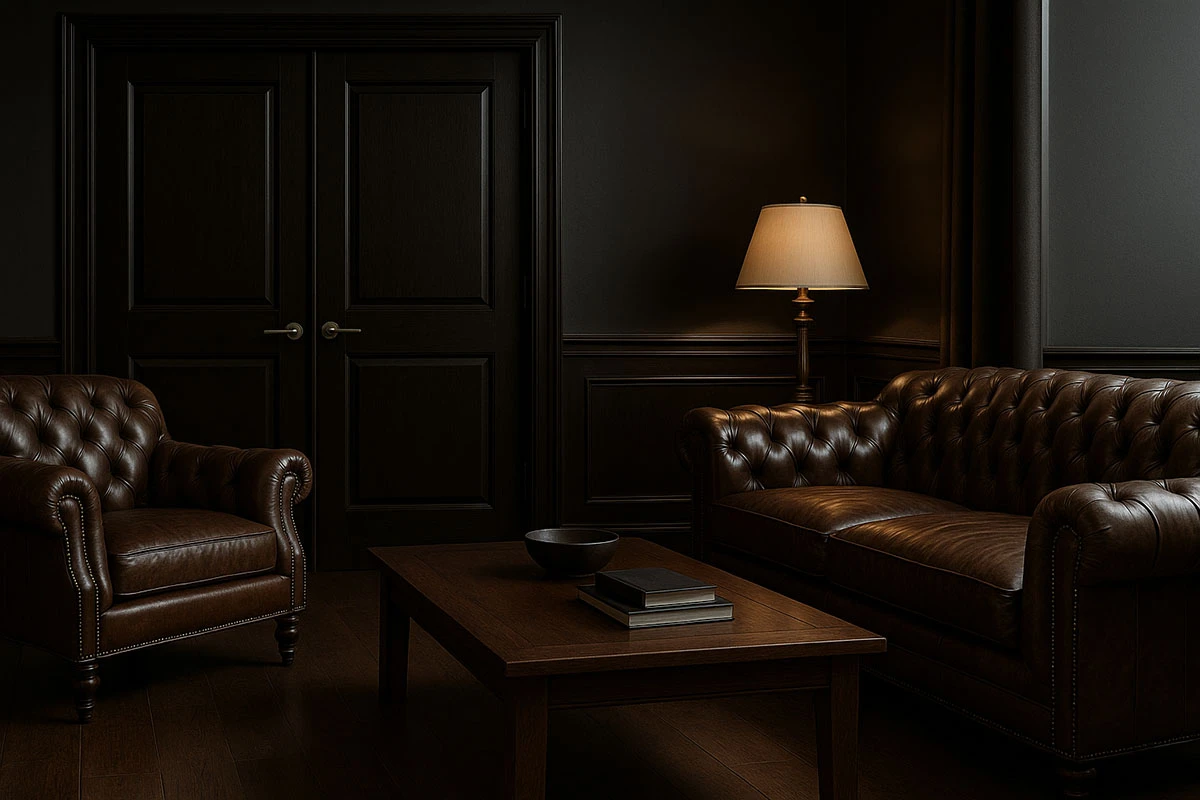
Color choice is the simplest, yet the most powerful, tool for creating mood.
Playing with contrasts
Sometimes, the best choice is not harmony but bold contrast. Light furniture with dark doors, or dark furniture with white doors, can create visual intrigue that immediately catches the eye.
- White minimalist doors against a black piano in the living room
- Dark walnut doors paired with a light oak dining table
- Soft pastel furniture framed by deep graphite doors
Contrast works especially well in modern interiors where every element is meant to stand out. It is like adding rhythm to music — the silence between notes makes the melody stronger. By intentionally contrasting tones, you create a composition that feels alive and vibrant.
Contrast does not always mean aggression. It can be soft and elegant: a creamy sofa against a graphite door, or light oak chairs set against a door in rich coffee shade. The main idea is to let the eye rest on differences, to give the room energy through diversity. Bold solutions often make interiors memorable, and people who walk into such a room instantly notice the play of tones and textures.
“Do not fear contrast — it often brings the soul into design.”
Materials and textures
It is not only the color that matters but also the texture. Glossy doors paired with matte furniture create a sense of luxury, while rough wood furniture combined with doors of natural veneer feels warm and organic.
- Glossy lacquered doors bring glamour into a modern interior with velvet sofas
- Natural oak veneer doors echo rustic furniture, creating coziness
- Matte painted doors soften the shine of metallic or glass furniture
- Textured doors, like with milling or carving, emphasize classic interiors with carved wooden chairs and wardrobes
Texture adds another dimension. Imagine running your hand along a smooth leather armchair and then touching the matte door surface — these sensations form subconscious harmony. A polished door can reflect light, making the room brighter, while a matte one absorbs light, adding a feeling of intimacy. Wooden textures paired with natural furniture bring a sense of closeness to nature, while glossy finishes add a cosmopolitan touch.
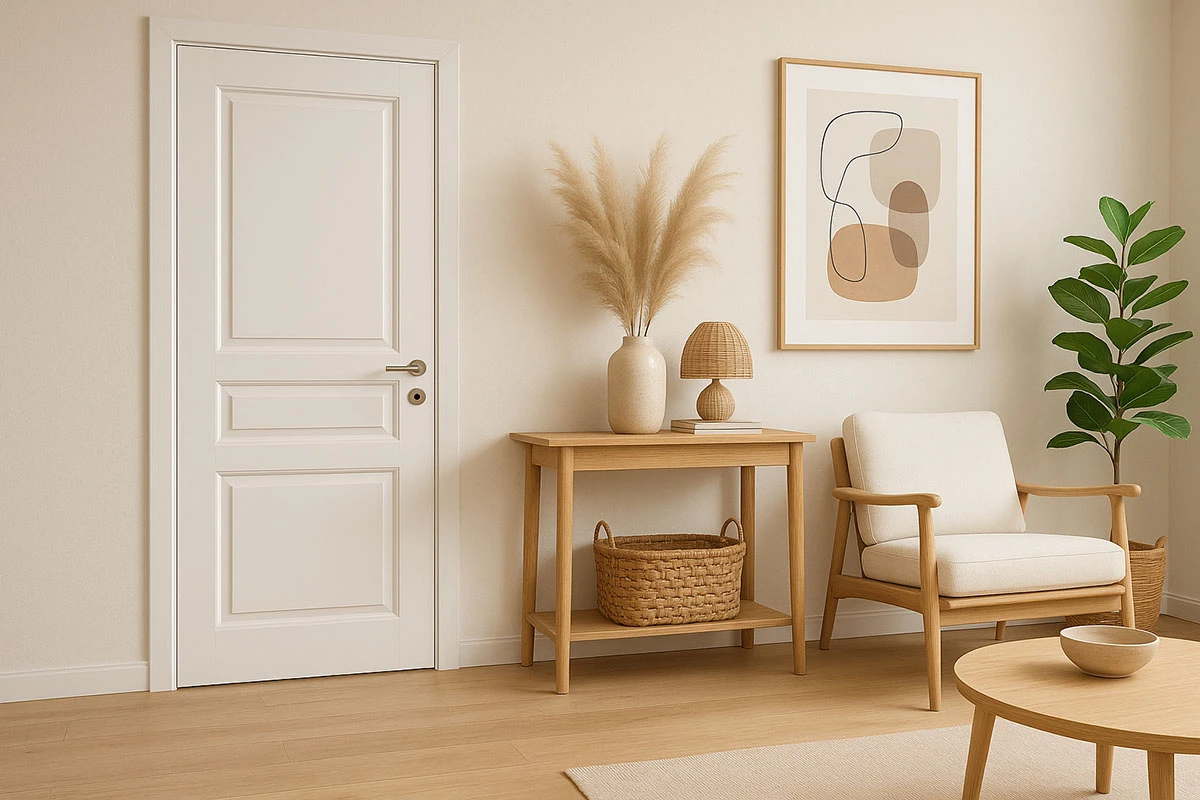
Furniture and doors together create a tactile map of the home. Every time you touch them, you feel the consistency of design. This is why texture should never be overlooked. A mismatch can feel disturbing, while the right pairing can make every corner of the house feel complete.
Styles that always work
Different design styles create different rules for matching.
- Minimalism loves white, gray, and simple wooden doors
- Classic interiors require doors in noble wood tones, paired with solid, traditional furniture
- Loft design celebrates industrial contrasts: black or graphite doors against raw brick and metal furniture
- Scandinavian style prefers light tones, simple lines, and harmony between doors and wooden furniture
Each style writes its own story, and the door always remains one of the central elements that supports the theme. In a minimalist home, doors dissolve into the background, while in a classic home, they become a statement piece. In loft spaces, doors can emphasize the rawness of design, while in Scandinavian interiors they help to maintain light and openness.
The advantage of working with a style is that the rules are already written — you only need to follow them carefully. But even within a style, you can allow yourself small experiments, small touches that reflect your individuality. This freedom makes design personal.
Final thoughts
Combining doors and furniture is an art that turns an ordinary room into a finished, thought-out space. It is a balance of color, texture, and style that brings comfort and beauty into everyday life. The choice you make today will influence how your home feels for years to come.
Always take time to experiment — place a door sample next to your furniture, look at it in morning and evening light, and feel the emotions it gives you. Sometimes the best choice is not the most logical one but the one that makes your heart say: “Yes, this feels like home.” The interplay between doors and furniture is deeply personal, and when chosen with care, it transforms a house into a sanctuary.
“Harmony between doors and furniture is not about rules. It is about creating a place where you want to return every day.”