Top 5 Things to Consider When Sourcing Toyota Parts for My Car
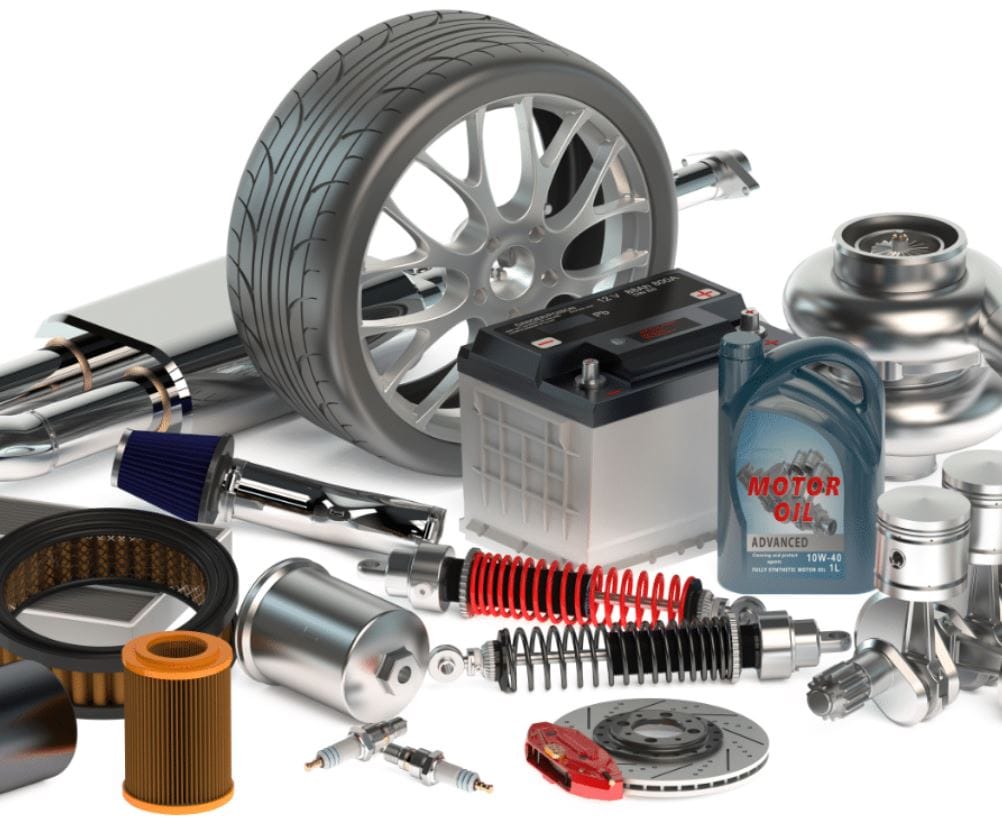
When sourcing parts for a Toyota, the process may appear complicated, chiefly because there are many options. If you have an older model, the right components are vital for maintaining performance and safety. However, if you have a newer model, the correct elements are still critical in ensuring your car is in its best condition. This guide is based on five basic things you should pay attention to, allowing for a smoother journey of buying confidently.
1. Understanding Compatibility
Mechanics often look for Toyota parts in Wellington to service popular models. Compatibility is one of the first steps in sourcing Toyota components. Not every spare part is universally suited, and using the wrong one may cause serious trouble. The information includes the model, year, and specific car-trim details.
Such data provides precise information, enabling you to purchase parts that fit correctly and perform the required functions. One reliable method to learn this information is to look up your vehicle identification number (VIN). That number is typically located on the dashboard near the windscreen or the driver’s side door.
2. How to Tell OEM From Aftermarket Parts
There are generally two types of vehicle parts: Original Equipment Manufacturer (OEM) parts and aftermarket parts. The vehicle’s manufacturer produces OEM parts that are of high quality and fit. These are usually pricier but give you confidence in performance and longevity.
On the other hand, third-party companies manufacture aftermarket parts. They are often less expensive and have bigger and better features. The quality is not always consistent, so check out brands and reviews before buying!
3. Evaluating Quality and Warranty
The age of parts significantly influences the longevity and safety of your vehicle on the road. Check the materials and quality of the engineering, particularly for like-for-like elements, whether you are inspecting brakes or engine internals.
An established supplier will almost always offer a warranty, which reflects confidence in their products. Not only does a warranty protect against defects, but it also guarantees that the part will perform as needed. Be sure to ask about warranty terms and conditions so that you will not incur unexpected future costs.
4. Comparing Prices and Availability
And the price can differ wildly from one supplier to the next. Going for the lowest cost is easy, but this could mean the lowest quality. Identify suppliers who offer cost savings without compromising their reliability.
Also, think about whether they’ll be able to find the parts. Since the components need to be shipped overseas, they may take a little longer to arrive. If the part is essential for your car’s function (e.g., a crankshaft), it would be worth planning your purchase months in advance to ensure you won’t face unnecessary delays.
5. Choosing Reliable Suppliers
You should choose your supplier wisely because the success of your purchase depends on the reliability of the third-party supplier. Seek suppliers who have good reviews and a good reputation. Online forums for the car and automotive communities reveal real customers’ real-life stories.
You should also verify the supplier’s return policy if the part is not what you expected. Local dealers and certified part stores are typically excellent places to go the first time around, but you will pay for that convenience. Finding the right balance between trustworthiness and cost is essential for a pleasurable transaction experience.
Conclusion
When sourcing Toyota parts, several factors must be considered. The decisions you make while selecting aftermarket parts affect their performance in your vehicle, from ensuring compatibility to deciding whether to go with OEM or aftermarket options.
The process involves assessing quality, comparing prices, and choosing reputable suppliers. Concentrating on these five can help car owners choose wisely so that their Toyota is in the best condition. Whether changing a small or a large part, proper research and decision-making result in the correct form of success.