Will Clorox Kill a Spider? The Surprising Truth, Explained
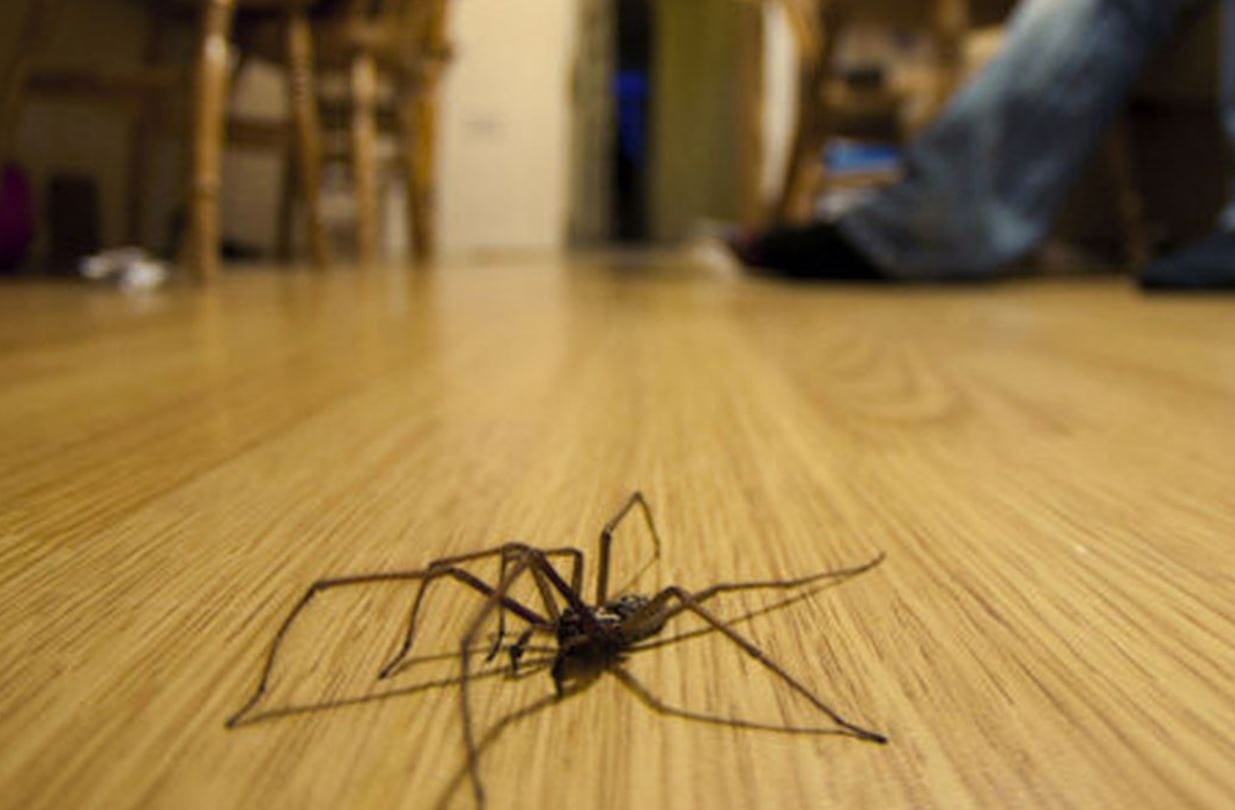
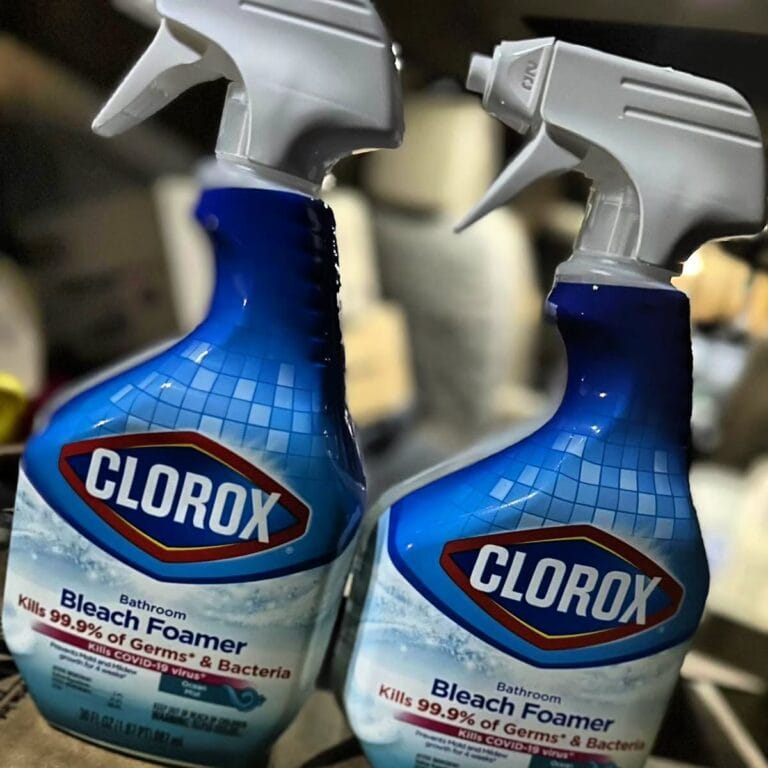
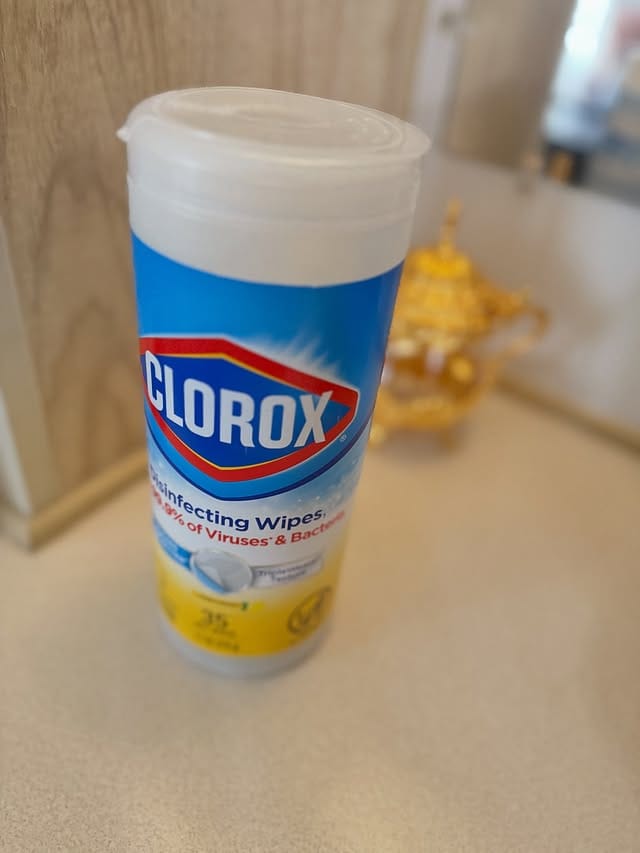
You see a spider skittering across the floor. Your heart jumps. Your first instinct might be to grab the nearest weapon—a bottle of Clorox disinfectant spray. It’s strong, it’s chemical, it must work, right?
Hold on! Before you douse your home in bleach, let’s get one thing straight. As a tech educator, I love breaking down how things work, and this is a perfect example of using the wrong tool for the job. Using Clorox on a spider is like trying to fix a software bug with a sledgehammer. It’s overkill, messy, and potentially creates bigger problems.
So, let’s debug this common household question: Will Clorox kill a spider?
The Short Answer: Yes, But You Shouldn’t.
Yes, directly spraying a concentrated bleach solution like Clorox on a spider will likely kill it. Bleach is a corrosive chemical that damages tissue and causes suffocation.
However, this is a classic case where just because you can, doesn’t mean you should. Let’s break down the “why” behind this.
How Bleach Actually Affects a Spider (The Science Part)
Think of a spider’s body as a highly specialized, tiny piece of biological machinery. It has an exoskeleton (the outer shell) and a complex respiratory system.
When you spray it with Clorox, two main things happen:
- Chemical Burns: The sodium hypochlorite in bleach is corrosive. It essentially causes chemical burns on the spider’s exoskeleton and its delicate internal systems.
- Suffocation: Spiders breathe through structures called book lungs. Coating them in a viscous, chemical liquid clogs these lungs, leading to suffocation.
It’s not an instant or humane death. It’s a stressful, painful end for the creature, and it leaves you with a bleached, potentially stained surface and a spider corpse soaked in bleach to clean up.
Expert Insight
“While bleach is a powerful disinfectant for surfaces, it’s a terribly inefficient and hazardous pesticide. Its primary function is to break down proteins and microbes on non-porous surfaces, not to be precisely targeted at moving insects. The risks of inhaling fumes, damaging your home, and causing unnecessary suffering far outweigh the fleeting satisfaction of a kill.”
— The Bug Specialist Blog
Clorox vs. Common Spider Solutions: A Comparison Table
Why is Clorox the wrong tool? Let’s compare it to other common methods in a simple, scannable table.
| Method | How It Works | Effectiveness | Safety & Downsides |
|---|---|---|---|
| Clorox (Bleach Spray) | Chemical corrosion & suffocation | Low (Inefficient, slow) | High risk: Fumes are harmful to breathe, can damage surfaces, stains fabrics, inhumane. |
| Commercial Insecticide | Neurotoxins targeted at insects | High (Fast, designed for this) | Moderate risk: Contains pesticides; follow label instructions, keep away from pets/kids. |
| Soap & Water Spray | Clogs spiracles (breathing tubes) | Medium (Effective on contact) | Low risk: Safe for surfaces, non-toxic to humans/pets, inexpensive. |
| The Glass & Paper | Physical relocation | High (When you’re brave enough!) | Zero risk: Most humane method, no chemicals, 100% effective for single spiders. |
As you can see, Clorox ranks poorly across the board when compared to purpose-built solutions.
The Actionable, Empathetic Guide to Handling Spiders
I get it. Arachnophobia is real, and the “creepy-crawly” factor is powerful. But let’s channel that energy into solutions that are better for you, your home, and the ecosystem (spiders do eat other pesky insects, after all!).
Option 1: The “I Want It Gone, Humanely” Method
This is the gold standard. Spiders are just lost roommates trying to find a meal.
- The Cup-and-Card Technique: Place a glass or cup over the spider. Gently slide a piece of cardstock or stiff paper underneath. Carry your eight-legged friend outside and release it away from your house.
- The Guided Tube: Use a clean, dry glass and gently guide the spider into it with a soft brush. Release outside.
Option 2: The “I Can’t Get Close, But I Don’t Want to Nuke My Home” Method
If relocation isn’t your style, you need a targeted, low-toxicity solution.
- DIY Soap Spray: Mix 1 part dish soap with 3 parts water in a spray bottle. A direct shot will immobilize and kill the spider by breaking down its cellular membranes and clogging its airways. This is far safer for your home environment than bleach.
- Essential Oil Deterrents: Spiders dislike strong scents like peppermint, tea tree, and citrus. Mix 10-15 drops of essential oil with water in a spray bottle and mist around windowsills and entry points. This is a great preventative tech for your home.
Option 3: The “Last Resort” Method
If you have a significant infestation or are dealing with a dangerous species (like a Black Widow or Brown Recluse), it’s time to call in the pros—a licensed pest control expert. They have the right tools and knowledge for the job, just like you’d call an IT specialist for a major server crash.
Key Takeaways: The Final Verdict
- Will Clorox kill a spider? Yes, but slowly and inhumanely.
- Should you use Clorox? No. It’s a hazardous, surface-damaging, and inefficient method.
- What should you do instead? For single spiders, use the humane cup-and-card method. For a quick, low-toxicity kill, use a soap and water spray.
Next time you see that skittering shadow, take a deep breath. Reach for a cup, not the Clorox. Your lungs, your home surfaces, and the balance of your local ecosystem will thank you.