What Separates a Lasting Home from a Vulnerable One

Creating a home is more than just constructing walls and installing a roof. It’s about building a safe space that withstands the test of time and weather. A robust home provides security and reflects the lifestyle and values of its inhabitants.
Vulnerabilities in a home can arise from poor materials, inadequate construction practices, and neglect. Understanding what contributes to a lasting home can help homeowners make informed decisions about maintenance and upgrades. Here, dive into four crucial aspects that set resilient homes apart from vulnerable ones.
Quality of Materials
The foundation of a lasting home lies in the quality of materials used in its construction. High-grade materials guarantee durability and resistance to environmental stresses. When using premium supplies, homes are better equipped to handle extreme weather conditions, such as heavy rain, strong winds, and temperature fluctuations.
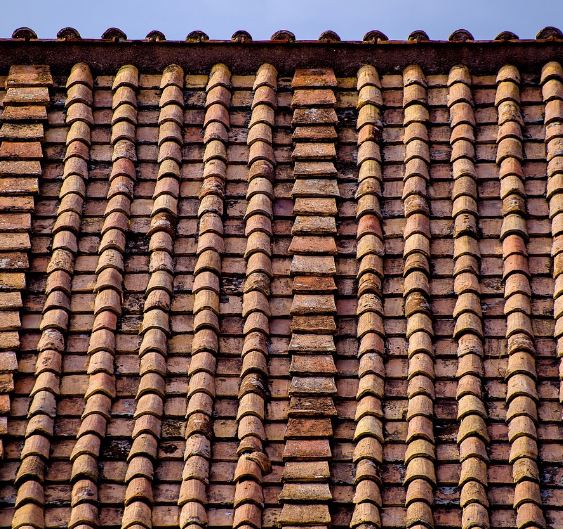
Components like roofing, siding, and insulation should all be selected carefully. Opting for roofing contractors like Boss Roofing Siding Experts can guarantee the best materials are used and provide long-term performance and protection. Investing in quality materials equates to reduced maintenance costs and fewer repairs. Selecting the best materials contributes to a home’s lifespan and functionality.
Structure and Design
The structural integrity and design of a home come from its resilience. A well-designed house incorporates elements that improve stability and efficiency. Open floor plans can improve air circulation and prevent mold growth, whereas strategic window placements can maximize natural light.
The use of reinforced structures, such as steel frames or concrete blocks, provides additional strength. The architectural design can influence how well a home stands against harsh elements. Sustainable design choices, including wind-resistant roofs and water-efficient landscaping, promote longevity. An expert builder understands these nuances and will implement design principles that elevate a home’s durability.
Regular Maintenance
Maintenance is an often-overlooked aspect of home ownership that directly affects longevity. Routine inspections and repairs address small issues before they develop into costly problems. Homeowners should check for water damage, provide proper drainage, and maintain the roof and gutters.
Seasonal checks can evaluate heating and cooling systems, which can impact both safety and energy efficiency. Maintaining the exterior of the home, including painting and sealing, prevents rot and deterioration. Engaging professionals for necessary repairs or assessments guarantees that work is performed to high standards. A dedicated maintenance routine preserves the home’s structure and boosts its value.
Community and Environment
A resilient home is defined by its physical attributes, its location, and the community surrounding it. Being situated in a safe, well-planned neighborhood contributes to a home’s security. Communities with robust infrastructure, effective emergency services, and protective zoning laws create a safer environment for residents.
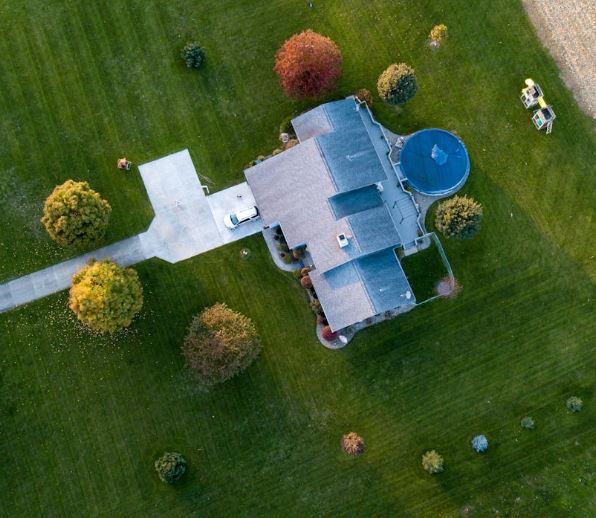
Landscaping can impact a home’s vulnerability: strategic tree placement can provide shade and reduce heat. Climate considerations, such as flood zones or earthquake-prone areas, must be factored into the home’s planning stage. An awareness of environmental risks allows homeowners to implement proactive measures so that their investments remain secure amidst natural challenges.
The distinction between a lasting home and a vulnerable one lies in various interconnected factors. Quality materials, sound structure, consistent maintenance, and a supportive community environment create the foundation of a resilient household. A proactive approach can guarantee that a home stands the test of time and provides a safe, comfortable refuge for its inhabitants.