Transform Your Home: Smart Upgrades That Save Time and Money
Your home is more than just four walls – it’s your sanctuary, your investment, and the place where life happens. Whether you’re planning to stay put for decades or thinking about selling in a few years, smart home improvements can dramatically impact both your daily comfort and your property’s value. The key is knowing which upgrades deliver the biggest bang for your buck while making your life easier.
You don’t need to break the bank or embark on major renovations to see significant improvements. Sometimes, the smallest changes create the most dramatic transformations. From simple maintenance tasks that prevent costly repairs to strategic upgrades that enhance your lifestyle, there are countless ways to elevate your living space without overwhelming your schedule or budget.
The Foundation of Smart Home Management
Before diving into exciting upgrades, you need to master the basics of home maintenance. Think of it as building a strong foundation – without proper upkeep, even the most beautiful improvements won’t last. Regular maintenance prevents small issues from becoming expensive nightmares and keeps your home running smoothly year-round.
Start with a seasonal maintenance checklist that covers the essentials: HVAC filter changes, gutter cleaning, exterior inspections, and deep cleaning sessions. Many homeowners underestimate how much time these tasks consume, especially when juggling work, family, and other commitments. This is where professional services become invaluable – they handle the heavy lifting while you focus on what matters most.
Consider the true cost of DIY maintenance versus professional help. While you might save money upfront doing tasks yourself, professional services often complete work faster, more thoroughly, and with better results. They also catch potential problems early, saving you from costly repairs down the road. Plus, you get your weekends back for activities you actually enjoy.
When evaluating home services, look for companies that understand your specific needs and local conditions. Singapore’s tropical climate, for example, presents unique challenges for home maintenance. You need AO Service providers who understand humidity control, mold prevention, and the impact of frequent rain on building exteriors. Local expertise makes all the difference in keeping your home in peak condition.
The peace of mind that comes with professional maintenance is priceless. You sleep better knowing experts have thoroughly inspected your home, identified potential issues, and addressed them before they become major problems. This proactive approach protects your investment while ensuring your family’s safety and comfort.
Outdoor Spaces: Your Extended Living Area
Your outdoor areas represent untapped potential for both enjoyment and property value. Whether you have a sprawling backyard or a small balcony, thoughtful improvements create functional outdoor living spaces that extend your home’s footprint and enhance your quality of life.
Start with the basics: clean, well-maintained surfaces and healthy landscaping. Power washing decks, patios, and exterior walls removes years of buildup and makes everything look fresh. Professional cleaning services can tackle these labor-intensive tasks while achieving better results than most DIY attempts. Regular maintenance prevents permanent staining and extends the life of outdoor surfaces.
Landscaping improvements offer excellent returns on investment while boosting curb appeal. Focus on plants that thrive in your climate with minimal maintenance requirements. Native species typically require less water and care while supporting local ecosystems. Strategic plantings can also improve energy efficiency by providing natural shade and windbreaks.
Outdoor lighting extends the usability of your spaces while improving security and ambiance. Solar options have improved dramatically in recent years, offering reliable performance without increasing electricity bills. String lights, pathway illumination, and accent lighting for trees or architectural features create magical evening atmospheres perfect for entertaining or relaxation.
Consider how you want to use your outdoor spaces. Do you dream of al fresco dining, peaceful morning coffee, or entertaining friends? Design improvements around these activities. A simple pergola might provide the shade needed for outdoor meals, while a fire pit creates a cozy gathering spot for cool evenings.
Interior Transformations That Matter
Once you’ve established a solid maintenance routine, it’s time to focus on interior improvements that enhance your daily life. The most impactful changes often happen in spaces where you spend the most time – kitchens, living rooms, and bedrooms. These areas set the tone for your entire home experience.
Lighting transforms any space instantly and affordably. Replace harsh overhead fixtures with layered lighting that includes ambient, task, and accent options. Smart bulbs let you adjust color temperature throughout the day, supporting your natural circadian rhythms while creating the perfect mood for any activity. Dimmer switches are another simple upgrade that adds sophistication and functionality to any room.
Color plays a crucial role in how you feel at home. You don’t need to repaint entire rooms – strategic accent walls, updated trim colors, or fresh paint on kitchen cabinets can completely refresh your space. Choose colors that reflect your personality while maintaining broad appeal if you’re considering selling. Neutral bases with colorful accessories give you flexibility to update your style without major renovations.
Storage solutions deserve serious attention because clutter affects both your mental state and your home’s functionality. Built-in organizers, floating shelves, and multi-functional furniture maximize space while keeping belongings accessible. When everything has a designated place, cleaning becomes faster and your home stays organized longer.
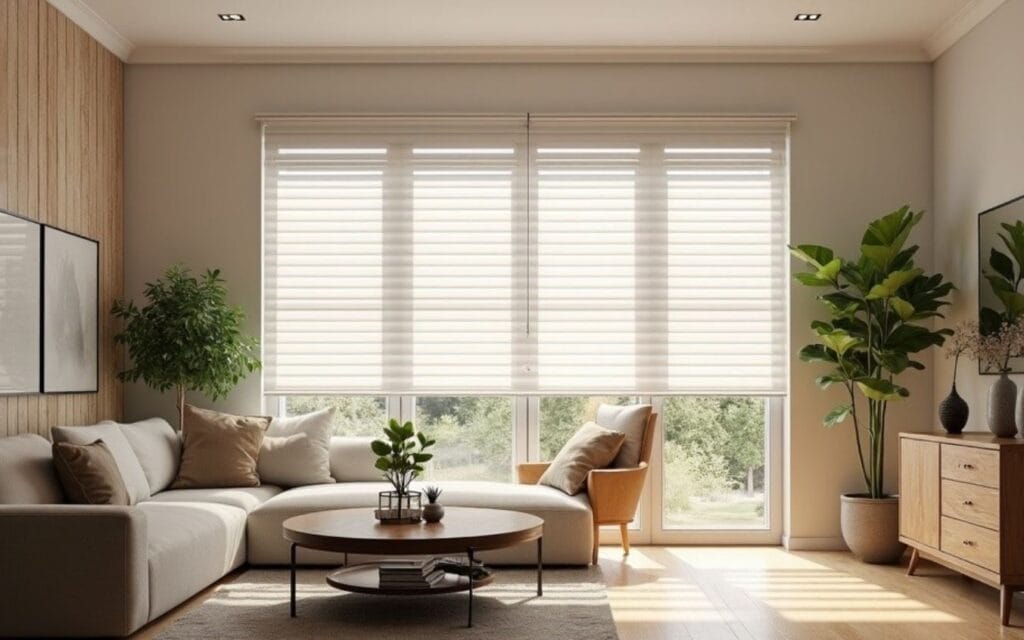
Window treatments deserve special consideration because they impact both privacy and aesthetics. Outdated blinds or curtains can make even beautifully decorated rooms feel dated. Modern options like ripple fold curtains offer clean lines and sophisticated functionality that complements contemporary design while providing excellent light control and privacy.
Don’t overlook the power of texture and layering. Throw pillows, area rugs, and window coverings add warmth and visual interest without permanent commitment. These elements let you experiment with trends and seasonal changes while protecting your larger investments.
Technology Integration for Modern Living
Smart home technology has moved beyond novelty to become genuinely useful for busy homeowners. The key is choosing systems that solve real problems rather than adding complexity to your daily routine. Start with basics that deliver immediate benefits and build from there.
Smart thermostats typically pay for themselves through energy savings while providing superior comfort control. You can adjust temperatures remotely, set automatic schedules, and monitor energy usage patterns. Many utility companies offer rebates that reduce the initial investment even further.
Security systems have evolved beyond basic alarms to comprehensive monitoring solutions. Smart doorbells, cameras, and sensors let you keep tabs on your property from anywhere while deterring potential problems. Integration with lighting systems can simulate occupancy when you’re away, adding another layer of security.
Home automation shines in areas where you perform repetitive tasks. Automated window coverings adjust throughout the day for optimal light and privacy. Smart irrigation systems water your landscaping based on weather conditions and soil moisture. These systems work quietly in the background, handling tasks you might otherwise forget. To make automation genuinely useful, homeowners should prioritize a unified control strategy that coordinates lighting, audio, security, climate and shades so scenes work reliably across rooms. Local integrators understand how layouts, internet reliability and regional climate affect system choices and can tailor schedules, sensor placement, and fail-safes accordingly. Professionals can help discover seamless home tech integration that reduces friction and maintenance. That integration not only simplifies daily routines but also minimizes troubleshooting and ensures updates roll out smoothly. When systems are designed to work together from the start, automation becomes a background convenience rather than another set of gadgets to manage.
Voice assistants and smart displays serve as command centers for connected devices while providing entertainment and information. They’re particularly useful in kitchens where hands-free operation is essential. You can set timers, play music, check weather, and control other smart devices without stopping food preparation.
Focus on systems that integrate well together and offer reliable performance. It’s better to have a few high-quality smart devices that work flawlessly than numerous gadgets that require constant troubleshooting. Start small and expand gradually as you identify areas where automation would genuinely improve your daily routine.
Energy Efficiency: Comfort and Savings Combined
Energy-efficient improvements deliver triple benefits: reduced utility bills, increased comfort, and positive environmental impact. Many upgrades qualify for tax credits or utility rebates, improving their financial attractiveness even further. The key is prioritizing improvements that address your home’s specific inefficiencies.
Insulation and air sealing provide the foundation for energy efficiency. These improvements aren’t glamorous, but they’re often the most cost-effective ways to reduce energy consumption. Professional energy audits identify problem areas and prioritize improvements based on potential savings. Many utility companies offer subsidized audits that make this assessment very affordable.
Window upgrades significantly impact both energy efficiency and comfort. Modern windows offer better insulation, noise reduction, and UV protection while requiring less maintenance than older units. If full replacement isn’t in the budget, adding storm windows or updating window treatments can provide meaningful improvements.
Appliance upgrades should align with replacement needs rather than forcing premature changes. When existing appliances near the end of their useful lives, choose ENERGY STAR certified models that offer superior efficiency. The energy savings compound over the appliance’s lifetime, often offsetting higher initial costs.
Water heating represents a significant portion of most homes’ energy usage. Simple improvements like insulating hot water pipes, installing low-flow fixtures, and adjusting water heater temperatures can reduce consumption immediately. When replacement becomes necessary, consider high-efficiency units or alternative systems like heat pump water heaters.
Planning Your Home Improvement Journey
Successful home improvements require thoughtful planning rather than impulsive purchases. Start by identifying your priorities: what problems need solving, which improvements would enhance your daily life most, and what changes might boost property value? This assessment helps you allocate resources effectively and avoid costly mistakes.
Create realistic budgets that include contingency funds for unexpected issues. Home improvement projects often reveal hidden problems that require attention. Having financial flexibility prevents projects from stalling when surprises arise. Consider financing options for larger improvements, especially those that qualify for favorable loan terms or tax benefits.
Timeline planning keeps projects manageable and reduces disruption to your daily routine. Some improvements work well together – painting and flooring updates, for example – while others are better tackled separately. Seasonal considerations matter too; exterior work typically works best during favorable weather, while indoor projects can happen year-round.
Don’t try to tackle everything at once. Phased improvements let you live with changes, assess their impact, and make adjustments before moving to the next project. This approach also spreads costs over time and reduces the stress associated with major home disruptions.
Professional consultation can save money and frustration, even for projects you plan to DIY. Architects, designers, and contractors offer valuable perspectives on feasibility, costs, and potential challenges. Their expertise helps you avoid common mistakes and make informed decisions about when to hire professionals versus handling work yourself.
Conclusion: Your Home, Your Investment
Transforming your home doesn’t require massive renovations or unlimited budgets. The most successful improvements combine practical benefits with personal enjoyment, creating spaces that truly serve your lifestyle while protecting your investment. Whether you’re updating window treatments for better light control, investing in professional maintenance services, or planning larger efficiency upgrades, each improvement builds toward a more comfortable, valuable, and enjoyable home.
Remember that home improvement is a journey, not a destination. Your needs evolve, technologies advance, and design trends shift. The key is making thoughtful decisions that serve your current situation while maintaining flexibility for future changes. Focus on quality over quantity, prioritize improvements that solve real problems, and don’t be afraid to invest in professional help when it delivers better results.
Your home should work for you, not against you. Every improvement that reduces stress, saves time, or increases comfort is worth considering. Start with the changes that will have the biggest impact on your daily life, then build from there. With careful planning and smart choices, you can create a home that truly serves as your perfect sanctuary.