To Fix or to Replace Your Roof? A Practical Guide You Need to Follow
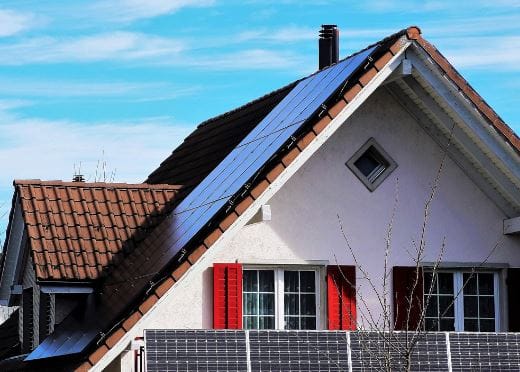
Choosing whether to fix or replace your roof is a significant decision for any homeowner. A roof protects your home from elements and contributes substantially to its aesthetic appeal and market value. Understanding when to repair and when to replace can be challenging with the various factors to consider, such as cost, damage extent, and long-term implications. In this guide, we will delve into the key considerations that will help you make an informed decision regarding your roof’s condition and the potential need for maintenance or replacement.
Understanding the Signs of Roof Damage
The first step in assessing whether to fix or replace your roof is understanding the signs of damage. Common indicators of roof issues include leaks, missing shingles, and visible damage such as cracks or warped tiles. A thorough inspection can help identify these signs early, preventing further deterioration. If you notice water stains on your ceiling, it’s important to pinpoint the source of the leak, as ignoring it may exacerbate the problem and lead to costly repairs.
External factors such as weather conditions, play a crucial role in the longevity of your roof. Heavy storms and strong winds can significantly impact the integrity of your roof, causing shingles to lift or even come off entirely. Regular inspections after severe weather can help you catch issues before they escalate. If you’re unsure about the extent of the damage, it’s wise to consult a professional to evaluate the situation accurately.
Cost Considerations: Repair vs. Replacement
When contemplating whether to repair or replace your roof, evaluating the costs involved is paramount. Roof repairs can vary widely in price depending on the extent of the damage and the roofing material used. Minor issues, such as a few missing shingles, might only require a small investment. Conversely, substantial damage might necessitate a more significant financial commitment. On average, roof repairs can cost anywhere from $300 to $1,500, while complete replacements can range from $5,000 to $25,000, depending on factors like the roof size, material, and labor costs.
Assessing the long-term financial implications is crucial. If your roof is approaching the end of its lifespan, frequent repairs might lead to higher expenses compared to a complete replacement. Investing in more robust roofing materials could save you money in the long run due to decreased maintenance needs and an extended lifespan.
Longevity and Lifespan of Roofing Materials
Different roofing materials come with varying lifespans, making it crucial to factor this into your decision-making process. Asphalt shingles generally last around 20 to 25 years, while metal roofs can endure for 40 years or more with proper maintenance. Tile and slate roofs are known for their longevity, often exceeding 50 years. Knowing the lifespan of your current roofing material can help determine whether repairs will suffice or if replacement is the more viable option. If your roof is nearing the end of its material lifespan and significant repairs are necessary, replacing the roof may be your best course of action. Investing in new, durable materials, if you can find affordable re-roofing packages, can provide peace of mind and enhance your property’s value. Performing a cost-benefit analysis of repairing versus replacing can help ensure you make the best choice for your home.
Climate and Weather Impacts on Roofing Durability
The climate where you live greatly influences your roofing decisions. Regions prone to heavy rainfall, snow, or extreme heat can stress your roof, leading to quicker deterioration. Excessive moisture can lead to mold and rot, particularly in wooden roofs, while high temperatures can cause shingles to crack and warp.
Local weather patterns should guide your choice of roofing materials. If you live in an area subject to severe storms, investing in more durable materials such as metal or slate can be beneficial in the long run. Ensure you consult with a roofing professional familiar with your area’s climate to gain insights into the best roofing options for your specific needs.
Inspection and Maintenance Protocols
Regular maintenance is crucial to prolonging your roof’s lifespan and ensuring it remains a reliable protective barrier for your home. Scheduling periodic inspections, ideally at least twice a year, is key. A qualified roofing contractor can spot minor issues before they develop into larger problems, saving you money and hassle in the long run. During these inspections, they check for potential leak sources, assess the integrity of shingles, and address any other concerns affecting your roof’s health. You can take proactive measures by cleaning your gutters and removing debris from your roof regularly. This will prevent water backup and minimize the risk of leaks. Adopting these maintenance routines creates a healthier roofing environment and helps in determining when repairs or a replacement might be necessary. Tracking any changes in your roof’s condition will aid in communicating effectively with your roofing professional when needed.
Warranty Considerations
Understanding the warranty associated with your current roof and any new materials you might consider is critical. Many roofing materials come with warranties that can influence your decision to repair or replace. Some warranties cover specific types of damage for a set period, which might affect your choice if your roof is under warranty. Always review the terms of your warranty before making any changes to ensure you maintain eligibility for potential claims. If you find that extensive repairs are not covered, discussing a replacement may be more reasonable since many new materials often come with longer warranties. Understanding these factors allows you to safeguard your investment and make an informed decision regarding your roof’s future.
The decision to repair or replace your roof hinges on various factors, including the signs of damage, cost considerations, material lifespan, climate impact, and the importance of regular maintenance and warranties. By weighing these elements carefully, homeowners can make thoughtful decisions that protect their property and provide financial peace of mind. A proactive approach to roof care ensures long-term protection and helps maintain the value of your home.