The Unseen Culprit: Which Pest Causes That Oily Odor in Your Home?
Have you ever walked into a room and been hit by a strange, musty, oily odor? This persistent, unpleasant smell is more than just a nuisance—it’s often the calling card of a hidden pest infestation. While several pests can cause odors, one, in particular, is notorious for its distinct oily, musky scent. This article identifies that pest, explains why it smells, and provides a clear comparison to help you diagnose and address the problem.
The Primary Suspect: The Brown Marmorated Stink Bug
The pest most famously associated with a strong, oily, or musky odor is the Stink Bug, specifically the Brown Marmorated Stink Bug (Halyomorpha halys). This invasive species has become a common household invader across many regions. When threatened, crushed, or even simply disturbed, they release a powerful chemical defense mechanism from glands on their thorax.
“The odor from stink bugs is often described as a cross between cilantro, rancid almonds, and oily hydrocarbons,” notes Dr. Eleanor Vance, an entomologist at the Urban Pest Research Institute. “It’s a complex aldehydic compound designed to deter predators. For humans, it’s an offensive smell that can permeate fabrics and linger in the air.”
Why the “Oily” Descriptor?
The chemicals released (trans-2-decenal and trans-2-octenal) are pungent aldehydes also found in cilantro and coriander. Their potency and slightly greasy aromatic profile lead many to describe the smell as distinctly oily, akin to a foul, musty petroleum note. It’s not a smell of decay, but of a potent, defensive chemical.
Other Pests That Can Cause Odors (But Differently)
While stink bugs are the prime source of an oily odor, other pests create smells that are sometimes confused with it. Accurate identification is key to effective treatment.
Comparison Table: Pest Odors at a Glance
| Pest | Primary Odor Description | Cause of Odor | When You’ll Smell It |
|---|---|---|---|
| Stink Bugs | Pungent, oily, musky, cilantro-like. | Defensive chemicals from thoracic glands. | When crushed, threatened, or large numbers are present. |
| Rodents (Mice/Rats) | Ammonia-like, musky urine, decay (if dead). | Urine, droppings, pheromones, carcasses. | Near nesting areas, wall cavities, or with poor ventilation. |
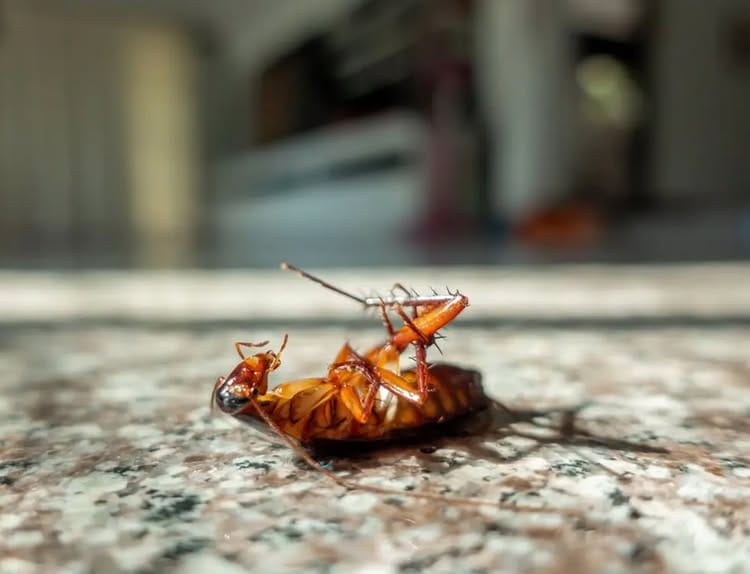
| Cockroaches | Musty, oily, sour. “Roachy” smell. | Pheromones in feces, saliva, and decomposing bodies. | In severe infestations; odor saturates areas. |
| Bed Bugs | Sweet, musty, like rotten raspberries or coriander. | Pheromones from scent glands. | Often in heavy infestations in bedrooms. |
| Carpet Beetles | Mild, leathery, fecal. | Not a strong odor; larvae shed skins and feces. | Usually not a noticeable smell. |
| Termites | Moldy, mildewy, like fungus or damp leaves. | Their environment (moist wood, fungus) and droppings. | Near active mud tubes or infested wood. |
Key Takeaway: If the odor is distinctly oily, pungent, and chemical-like, think stink bugs. If it’s more ammonia-based and musky, think rodents. A general mustiness often points to cockroaches.
Why Accurate Identification Matters
Mistaking a stink bug odor for a rodent problem can lead to ineffective treatments and ongoing issues. For example, sealing rodent entry points is a different process than stink bug exclusion, and using the wrong pesticides is futile.
What to Do About Stink Bugs and Their Odor
1. Prevention is Key
- Seal Entry Points: Use caulk to seal cracks around windows, doors, siding, and utility pipes.
- Install Screens: Ensure window and vent screens are intact.
- Turn Off Attractants: Reduce exterior lighting in fall, as they are drawn to lights.
2. Safe Removal (Do NOT Crush!)
- Vacuuming: Use a shop vac or a vacuum with an old bag you can dispose of immediately. This prevents the smell from entering your living space.
- Dish Soap & Water Trap: Fill a pan with soapy water and place a light over it at night. They will fly in and drown.
- Gentle Disposal: Scoop the bug into a sealed container or bag without crushing it and dispose of it outside.
3. Odor Removal
If the smell has been released:
- Ventilate: Open windows and use fans.
- Absorb Odors: Place bowls of baking soda, activated charcoal, or white vinegar in the affected room.
- Clean Surfaces: Wash affected surfaces with a mixture of vinegar and water or an enzymatic cleaner.
When to Call a Professional
Contact a licensed pest control expert if:
- The infestation is large-scale and recurrent.
- You cannot locate or seal entry points.
- You suspect a combination of pests (e.g., stink bugs and rodents).
Conclusion
That mysterious oily odor in your home is a strong biological clue. In the vast majority of cases, a sharp, oily, and pungent smell points directly to the defensive chemicals of stink bugs. By correctly identifying this signature scent and comparing it to the odors of other common pests, you can take swift, targeted action. Remember, the best strategy is integrated pest management: seal them out, remove them safely without crushing, and ventilate to eliminate the odor. Staying informed is your first and most powerful line of defense in maintaining a fresh, pest-free home.