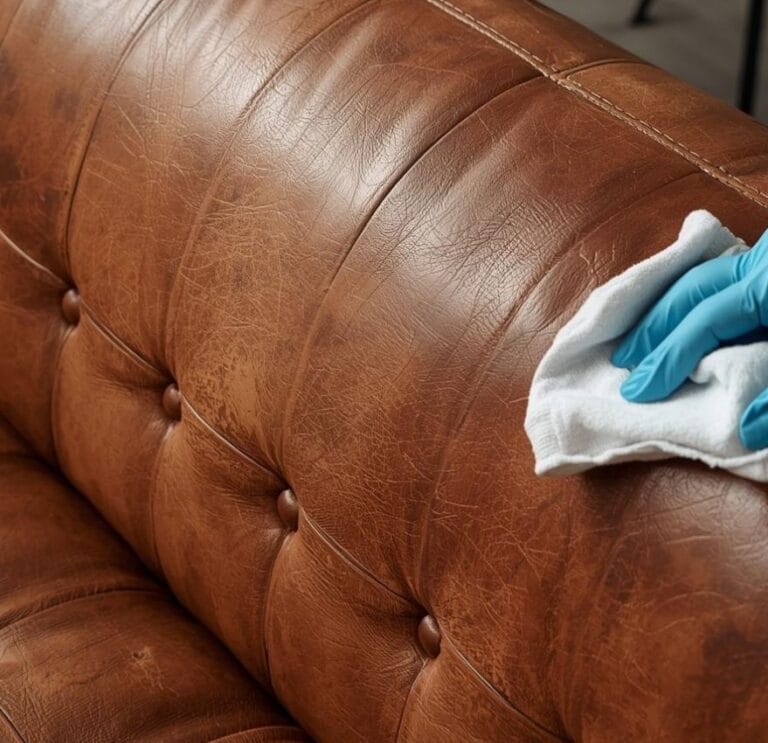
The Ultimate Guide: How to Clean Lexan Without Scratching or Damaging It
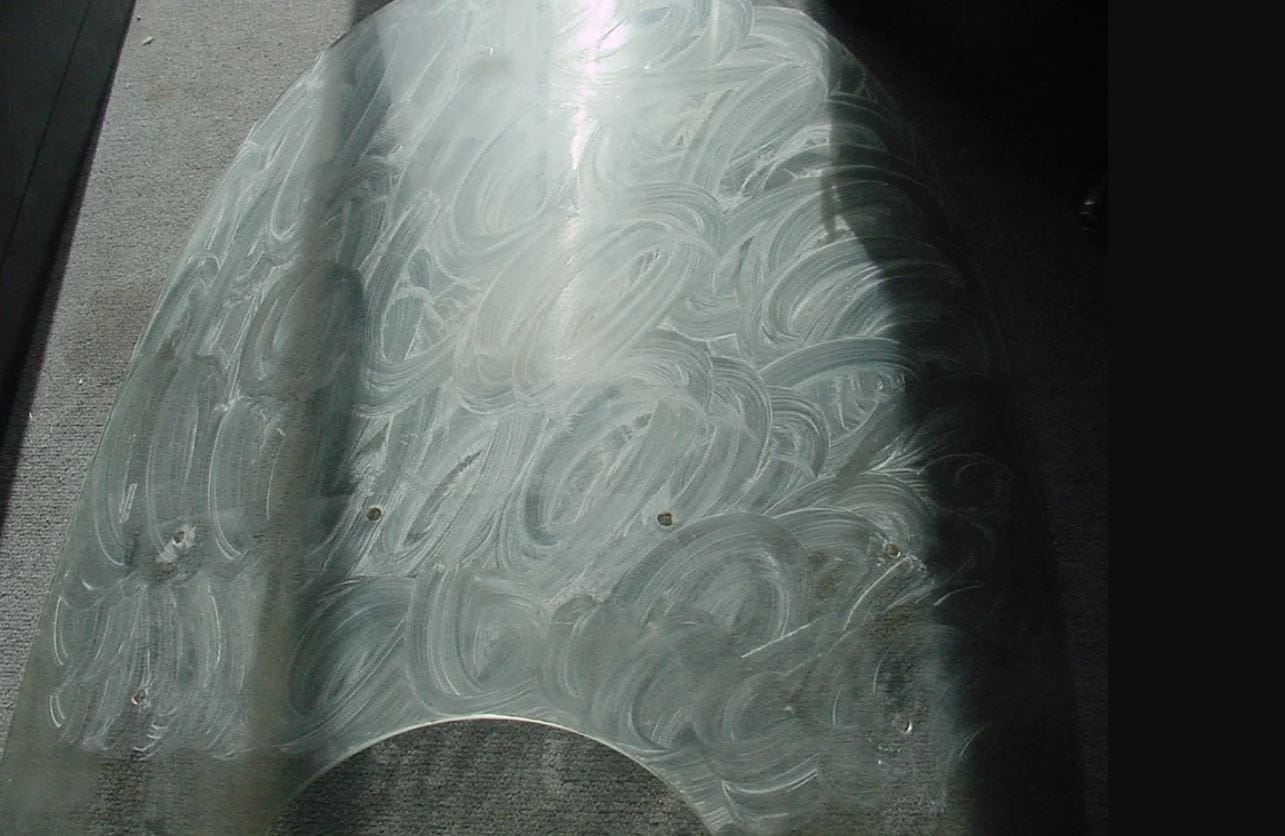
Lexan, the renowned brand name for polycarbonate, is everywhere. From garage door windows and motorcycle windshields to protective barriers and refrigerator panels, this material is prized for being virtually unbreakable . However, this durability comes with one major caveat: Lexan is significantly softer than glass and scratches very easily .
Using the wrong cleaning method—like grabbing a paper towel and a bottle of glass cleaner—can ruin your Lexan, leaving it cloudy, hazy, or permanently scarred . In this guide, we will walk you through the exact steps to clean Lexan safely, what products to avoid, and how to tackle tough stains and minor scratches.
Why Cleaning Lexan is Different from Cleaning Glass
Before you start, it’s crucial to understand the enemy: abrasion and chemical attack.
- Softness: Lexan (polycarbonate) is impact-resistant but has a soft surface. Dirt particles act like sandpaper. If you wipe dry dirt across it, you will create micro-scratches that build up into a haze over time .
- Chemical Sensitivity: Glass is inert; Lexan is not. Many common household cleaners contain chemicals that are disastrous for polycarbonate.
- Ammonia: Found in most glass cleaners (like Windex), ammonia causes polycarbonate to craze—forming tiny cracks and turning the material brittle and cloudy .
- Solvents: Chemicals like acetone, toluene, gasoline, and MEK will cause structural damage and should never be used .
The Safe Way to Clean Lexan: A Step-by-Step Guide
To keep your Lexan crystal clear for years, follow this gentle yet effective cleaning routine .
Step 1: Gather Your Supplies
Step 2: The Washing Process
- Pre-Rinse to Remove Grit: This is the most important step. Before you touch the surface, rinse the Lexan thoroughly with lukewarm water. Use a gentle spray from a hose or a wet cloth to float away dust and debris that could cause scratching .
- Prepare the Soap Solution: Fill a bucket or spray bottle with lukewarm water and add a few drops of mild dish soap. Avoid creating too many suds .
- Wash Gently: Dip your microfiber cloth in the soapy water. Wring it out so it is damp, not soaking wet. Gently wipe the surface. For large, flat areas, use straight left-to-right or up-and-down motions rather than circles to avoid inducing swirl marks .
- Rinse Thoroughly: Rinse away all soap residue with clean, lukewarm water. Soap left to dry can leave a film that attracts more dirt .
- Dry Immediately: Use a fresh, clean, dry microfiber cloth to pat and gently wipe the surface dry. This prevents hard water spots from forming .
How to Handle Stubborn Stains
Sometimes soap and water aren’t enough. Here’s how to level up safely:
- Heavy Oils, Tars, or Crayon: Use a 50/50 mixture of isopropyl alcohol and water. Apply it gently with a soft cloth, then immediately rinse with soap and water .
- Paint, Ink, or Adhesive: For tougher adhesives or paint, Naphtha or Kerosene can be effective. However, use these in a well-ventilated area, keep them away from edges, and rinse immediately . Do not use these on UV-protected surfaces without checking the manufacturer’s guidelines .
- Disinfecting: If you need to disinfect (as with a sneeze guard), stick to the soap and water method, as soap is effective at removing germs. If a disinfectant is required, dilute bleach with water (1/3 cup per gallon) and rinse off very quickly to minimize chemical exposure .
Can You Remove Scratches?
If your Lexan is already scratched, you might be able to improve it.
- For Minor Scratches: Products like Novus Plastic Polish Kit (Novus #2 for fine scratches, Novus #1 for cleaning) or a mild automobile polish are often recommended . Apply gently by hand with a soft cloth.
- The Warning: Many modern Lexan sheets (like those with Margard coatings or abrasion-resistant finishes) have a hard coating. Buffing these coatings will permanently damage them, removing the UV protection and making the optical quality worse .
- Deep Scratches: Unfortunately, deep scratches caused by knives or keys cannot be repaired .
Lexan Cleaning “Do’s and Don’ts” Cheat Sheet
To make things simple, here is a quick reference guide on what to do and what to avoid.
Conclusion
Cleaning Lexan doesn’t have to be scary. The mantra is simple: Gentle soap, soft cloth, and lots of water. By avoiding the harsh chemicals found in standard glass cleaners and resisting the urge to dry-wipe dust away, you can keep your Lexan windows, shields, or sheets looking brand new.
For routine maintenance, stick to warm, soapy water. For tough jobs, refer to the table above to find the right solvent—and always rinse thoroughly when you’re done.