The Ultimate Guide: How to Clean and Remove Stains from a Bonnet
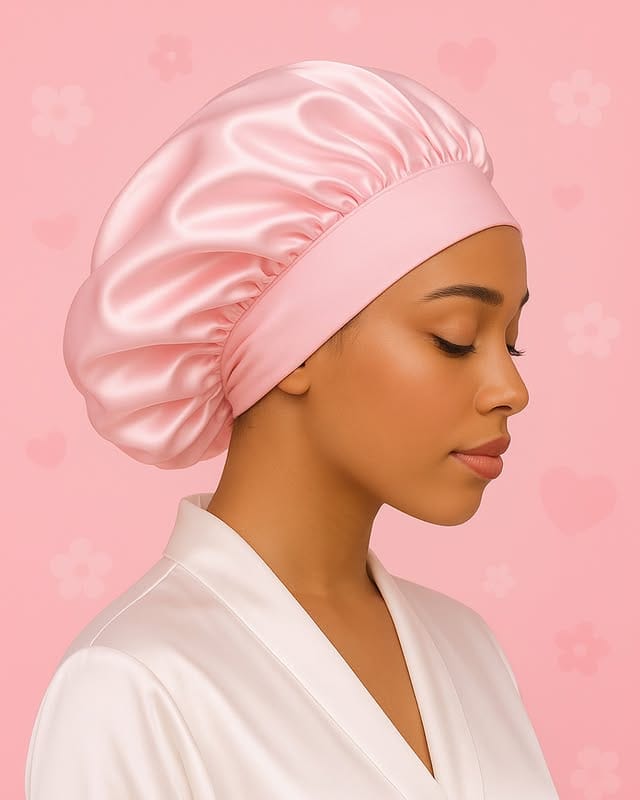
A bonnet is more than just a sleep accessory; it’s a guardian of your hairstyle, a protector of your curls, and a key player in your hair health routine. But with regular use, bonnets can accumulate oils, product buildup, and stubborn stains. Knowing how to clean them properly is essential for maintaining both their function and their freshness.
This definitive guide will walk you through everything from routine cleaning to targeted stain removal, ensuring your bonnet stays in pristine condition.
Why Regular Bonnet Cleaning is Non-Negotiable
“A clean bonnet is the first line of defense against scalp irritation and compromised hairstyles. Dirt and oils trapped in the fabric can be transferred back to your hair and skin, undoing all the good your protective styling is meant to achieve.”
— Maria Lopez, Professional Hairstylist
Think of your bonnet as underwear for your hair. You wouldn’t wear the same pair day after day without washing it. A dirty bonnet can:
- Harbor Bacteria: Trapped sweat and oils create a breeding ground for bacteria.
- Cause Breakouts: Oils from your hair and scalp can transfer to your skin, leading to acne along your hairline.
- Weaken Fabric: Dirt particles can break down delicate fibers like silk and satin over time.
- Lose Effectiveness: A slick, smooth interior is key to reducing friction. Buildup makes the fabric rough, leading to frizz and breakage.
Know Your Fabric: A Pre-Cleaning Checklist
Before you grab any detergent, the most critical step is to check the care label. Bonnets are made from various materials, and each requires a specific approach. Ignoring this can lead to shrinkage, fading, or fabric damage.
| Fabric Type | Key Characteristics | Primary Cleaning Method |
|---|---|---|
| Silk & Satin | Delicate, can water spot, loses luster with harsh chemicals. | Hand Wash Only with a gentle, pH-neutral detergent. |
| Satin (Polyester) | More durable than silk, less prone to water spotting. | Hand Wash or Gentle Machine Cycle in a mesh bag. |
| Cotton | Durable, absorbent, can withstand warmer water. | Hand Wash or Machine Wash on a gentle cycle. |
| Velvet | Pile can be crushed; requires special care. | Spot Cleaning is often safest. Professional cleaning recommended. |
How to Hand Wash Your Bonnet: A Step-by-Step Guide
Hand washing is the safest method for most bonnets, especially delicate ones made from silk or satin.
What You’ll Need:
- Lukewarm water
- Mild, pH-neutral liquid detergent or a dedicated delicates wash
- A clean basin or sink
- A clean, dry towel
The Washing Process:
- Prepare the Water: Fill your basin with lukewarm water. Avoid hot water as it can damage delicate fibers and set protein-based stains.
- Add Detergent: Add a small amount (about a teaspoon) of your gentle detergent and swish to dissolve.
- Submerge and Soak: Place your bonnet in the water and gently agitate it. Let it soak for 15-30 minutes to loosen oils and buildup.
- Gently Agitate: After soaking, gently swish the bonnet through the water. Pay extra attention to the inner band, which collects the most oils. Do not scrub, wring, or twist the fabric.
- Rinse Thoroughly: Drain the soapy water and refill the basin with clean, cool water. Submerge the bonnet and agitate to rinse out all the soap. Repeat until the water runs clear.
- Remove Excess Water: Press the bonnet against the side of the basin to squeeze out water. Then, lay it flat on a clean, dry towel. Roll the towel up with the bonnet inside and press to absorb more moisture.
The Art of Stain Removal: A Targeted Approach
For fresh stains, act quickly. For set-in stains, a pre-treatment is necessary.
Common Bonnet Stains and How to Tackle Them:
- Makeup & Foundation: These are oil-based stains.
- Solution: Apply a small amount of dish soap (like Dawn) directly to the stain. Gently work it in with your fingers and let it sit for 10 minutes before proceeding with your hand wash.
- Hair Product Buildup (Gels, Mousses, Oils):
- Solution: Create a paste from baking soda and water. Apply it to the stained areas, let it sit for 30 minutes, then gently brush it off before washing.
- Sweat & Deodorant:
- Solution: Soak the affected area in a mixture of white vinegar and water (1:1 ratio) for 15-20 minutes before washing. The vinegar helps to break down the salts and oils.
- Blood Stains:
- Solution: Always use cold water. Soak the stain in cold water with a bit of salt or hydrogen peroxide (test on an inconspicuous area first, especially on silk). Never use hot water, as it will set the protein in the blood.
Pro Tip: “Always test any stain removal solution on a small, hidden part of the bonnet, like an inside seam, before applying it to a visible stain. This can save you from a bigger disaster.” — The Laundry Lab Blog
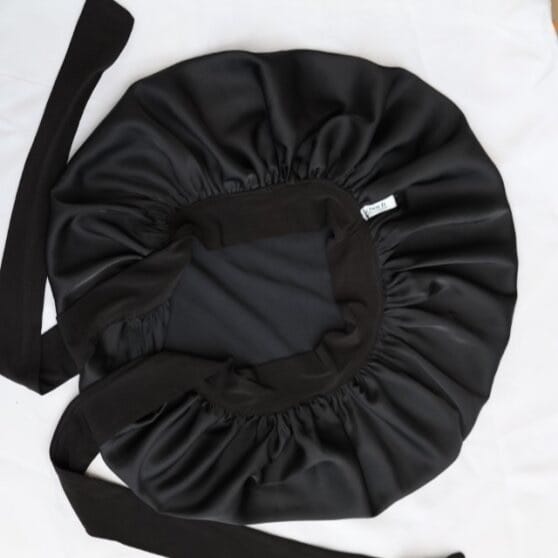
Drying and Storing Your Bonnet for Longevity
How you dry your bonnet is just as important as how you wash it.
- Air Dry Flat: Reshape your bonnet and lay it flat on a fresh, dry towel or a drying rack away from direct sunlight and heat sources.
- Avoid Direct Heat: Never put your bonnet in the dryer. The high heat can melt elastic, shrink fabric, and weaken seams.
- Never Hang to Dry: Hanging a wet bonnet can stretch it out of shape, especially the elastic band.
- Proper Storage: Once completely dry, store your bonnet in a cool, dry place. If you have multiple, consider a dedicated organizer to keep them from getting crushed.
Your Bonnet Care FAQ
Q: How often should I wash my bonnet?
A: For optimal hygiene, a good rule of thumb is to wash it once a week. If you have a very oily scalp or use heavy products, you may need to wash it twice a week.
Q: Can I use fabric softener on my bonnet?
A: It’s not recommended. Fabric softeners can leave a residue that clogs the delicate fibers of silk and satin, reducing their slip and effectiveness. A proper rinse with vinegar during the final rinse can act as a natural fabric softener.
Q: My bonnet’s elastic is stretched out. Can I fix it?
A. Sometimes. You can try soaking the elastic band in hot water for a few minutes to help it retract slightly. However, this is often a temporary fix, and it may be time to replace your bonnet for optimal protection.
Conclusion: A Clean Bonnet is a Happy Bonnet
Your bonnet works hard to protect your hair while you sleep. By giving it the proper care it deserves, you not only extend its life but also ensure it continues to protect your hairstyles and contribute to your overall hair health. With this guide, you have all the knowledge you need to keep your bonnets fresh, functional, and free from stains.