The Ultimate Guide: How to Clean and Maintain Your Banneton Basket
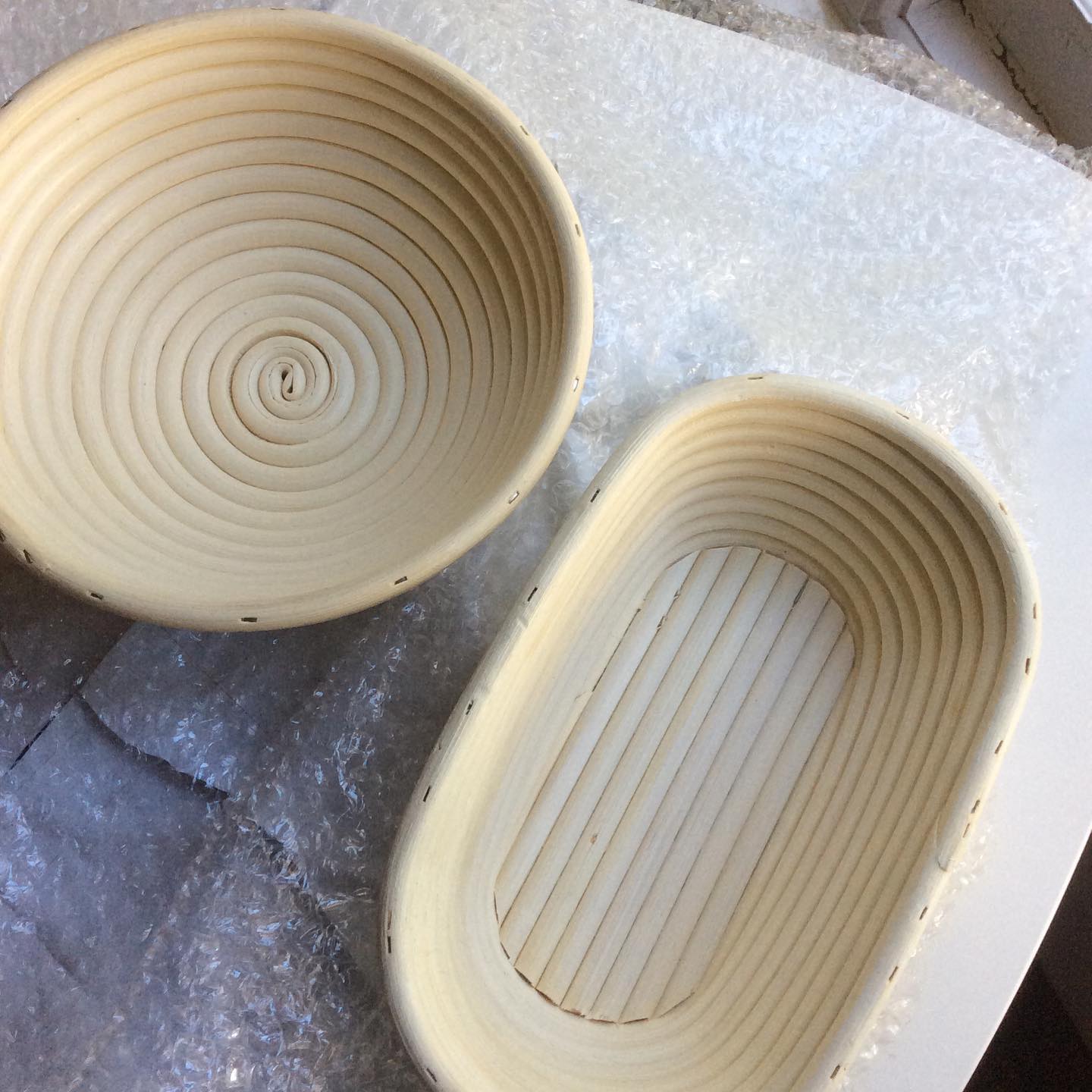
Your banneton basket is more than just a tool; it’s the trusted companion that gives your sourdough its beautiful shape and signature spiral. But after the loaf is baked, you’re left with a dusty, floury basket. Proper cleaning is crucial for its longevity and performance. This definitive guide will walk you through the simple, yet essential, steps of how to clean your banneton basket the right way.
Why Proper Banneton Cleaning is Non-Negotiable
Before we dive into the “how,” let’s understand the “why.” A banneton isn’t like your everyday kitchen colander. It’s typically made from natural materials like rattan or cane, and sometimes wood pulp or linen.
“A well-maintained banneton develops a seasoned patina of flour over time, which becomes non-stick magic. Over-cleaning strips this away, while under-cleaning can lead to mold and off-flavors.” — Artisan Baker’s Handbook
The goal of cleaning is not to make it look brand new. The goal is to remove excess moisture and any potential mold spores without stripping the beneficial flour buildup that prevents your dough from sticking.
Your Step-by-Step Guide to Cleaning a Banneton
Follow this simple process after every use to keep your banneton in perfect condition.
Step 1: The Initial Dry Brush
As soon as you turn your dough out onto your baking surface, grab a dry, stiff-bristled brush (a dedicated pastry brush is perfect).
- Action: Thoroughly brush out all the loose flour and any tiny bits of dried dough from the grooves and crevices of the banneton.
- Pro Tip: Do this over a trash can or sink to contain the mess. The majority of your “cleaning” is done in this first, dry step.
Step 2: The Air-Out Period
This is the most critical step for preventing mold.
- Action: Place your brushed banneton in a dry, well-ventilated area away from direct sunlight. Let it air out completely for several hours or until you are certain no moisture remains.
- Why? The primary enemy of a banneton is moisture trapped inside its porous material. Air-drying is your best defense.
Step 3: The Occasional Deep Clean (When Necessary)
If you notice any discoloration, suspect the beginning of mold, or accidentally got the basket wet, a deeper clean is needed.
- Action: Lightly dampen a cloth with white vinegar and gently wipe the affected area. The acetic acid in vinegar is a mild disinfectant that kills mold spores without being too harsh on the natural fibers.
- Action Alternative: For a more thorough clean, you can briefly hold the banneton under running water and gently scrub with your brush. This is a last resort.
Step 4: The Final Dry (After a Deep Clean)
If you used any moisture (vinegar or water), this step is non-negotiable.
- Action: Immediately after the deep clean, place the banneton back in its well-ventilated spot. Let it dry completely, which could take 24-48 hours depending on your climate. Do not store it until it is 100% bone-dry.
What NOT to Do: Common Banneton Cleaning Mistakes
Just as important as knowing what to do is knowing what to avoid. Steer clear of these common pitfalls.
| Mistake | Why It’s a Problem | The Correct Alternative |
|---|---|---|
| Washing with Soap & Water | Soap residue can get trapped in the wood and impart off-flavors to your next loaf. It also strips the beneficial flour seasoning. | Use only a dry brush. For disinfecting, use a light vinegar wipe. |
| Soaking or Submerging | This causes the natural fibers to swell and can lead to warping, cracking, and glue failure. It also makes it nearly impossible to dry thoroughly. | Avoid all contact with large amounts of water. If it gets wet, dry it immediately and thoroughly. |
| Using a Dishwasher | The heat, water, and detergent of a dishwasher will destroy a banneton, guaranteed. | Never, ever put a banneton in the dishwasher. |
| Storing While Damp | This is the #1 cause of mold. Trapped moisture in a dark cupboard is a mold’s paradise. | Always ensure your banneton is completely dry before storage. |
Proactive Care: How to Store Your Banneton
Proper storage is the final part of the cleaning cycle. A well-stored banneton stays fresh and ready for its next use.
- Location: Store your banneton in a cool, dry place with good air circulation. A pantry shelf or a bread cupboard is ideal.
- Protection: If you live in a humid environment, you can store it in a paper bag to protect it from ambient moisture, but ensure the bag is open for airflow.
- Pre-Storage Prep: Many bakers like to give their banneton a light dusting of rice flour before storing it. This keeps it “primed” for the next bake and ensures the seasoning continues to build.
Troubleshooting: Dealing with Mold and Stubborn Buildup
Even with the best care, issues can arise. Here’s how to handle them.
- If You See Mold: Don’t panic. Use a small sanding block (fine grit) or a sharp knife to gently scrape the moldy area away. Follow up with a vinegar wipe and a very thorough dry. If the mold is extensive, it might be time to replace the basket.
- For Stubborn Dough Buildup: If a piece of dough has hardened on, let the banneton dry completely. Often, the dried dough will become brittle and can be picked or scraped off. Avoid using water to soften it, as this will only push moisture into the basket.
Conclusion: Clean Smart, Not Hard
Cleaning your banneton basket is a simple ritual of respect for your craft. By following these guidelines—prioritizing dry-brushing, avoiding soap and soaking, and ensuring complete dryness—you will preserve this invaluable tool for years of beautiful, perfectly-shaped loaves to come. Happy baking