The Remodeling Decisions That Add Real Value vs. The Ones That Just Look Nice
Not all remodeling efforts are created equal when it comes to return on investment. Some updates will increase your home’s market value dollar for dollar, if not more, while others look fabulous and boost your quality of life but won’t necessarily increase what buyers will pay when it’s time to sell.
Knowing the difference helps homeowners allocate spending smartly. In some cases, the right choice is the option that adds financialized value. In others, it’s the one that improves daily living, even at a resale loss. Here’s how to determine which kind they are.
Kitchen Updates: Where You Spend Your Money Matters Most
Kitchen remodels are consistently rated as projects with the most retained value; however, not all money spent on kitchens returns the same value.
Necessary replacements of worn cabinets, out-of-date appliances, and dysfunctional layouts will recoup 60-80% at resale. While homes with outdated kitchens are frequently passed over in favor of those with functional, aesthetically pleasing versions, dwellings with out-of-date kitchens suffer longer times on the market and resell below the comp average.
Where things get tricky is custom cabinets, higher-end appliances and overall aesthetics that drive up costs without comparable value returns. A kitchen with mid-grade finishes will appeal to as many potential buyers as one with all top-of-the-line materials but for a much lower price tag.
It’s best to create a kitchen that looks modern and functions well without going overboard; successful remodeling service in Palm Harbor can steer you straight so you don’t take on the trending options that surpass the comps in your area but instead find what’s right for yours.
Bathroom Makeovers: Functional Over Fancy
Bathroom remodels recoup significant value, especially when deciding between out-of-date options and merely fine alternatives. Windows stuck in 1985 need to change for buyer interest (as well as owner satisfaction).
Full-bath remodels can recoup 60-70% of investment, with the highest returns coming from master bath upgrades. Adding another bathroom where one is needed – like creating an ensuite to the master or adding a second full bath to a single-bath dwelling – often exceeds 100% return.
Low-return modifications? Spa-like add-ons such as heated flooring, tile work and fixtures. These additions may be phenomenal if you utilize them, but buyers rarely pay for them unless the entire house is at that level.
Square Footage Additions: Adding Can Be Complicated
Adding bedrooms tends to be both valuable and non-valuable additions; it entirely depends on the context.
Adding a bedroom to a two-bedroom house makes it a four-bedroom and offers buyer appeal in a family-filled neighborhood. Transforming otherwise non-occupiable spaces (like attics or garages) into livable spaces more often returns 70-80% of costs.
Additions do not return money when they are done at no discretion; an oversized house built onto another oversized house in a neighborhood that strictly has small ranches will never get even close to comps; it’s impossible for any house to have added square footage exceeding 250-300% of what another is worth.
Sunrooms or bonus rooms add value after they add enjoyment; they bring little equity back into the transaction unless the homeowner needed that space for comfort. They’re “nice to have” versus “must have” for buyers.
Exterior Improvements Keep Values from Decreasing
Some additions don’t add value; they merely keep your value from decreasing. They act as maintenance issues buyers expect.
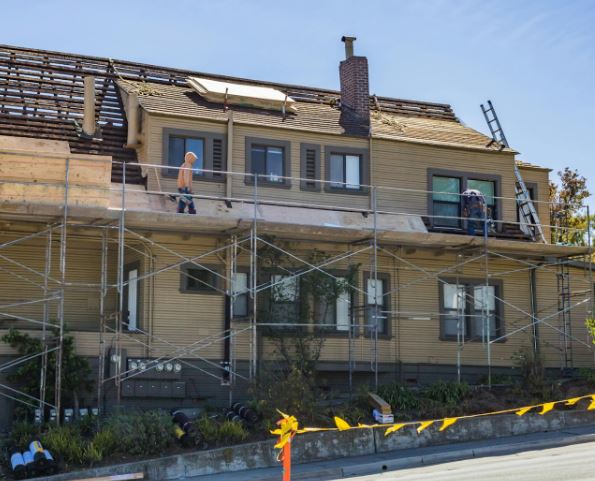
A buyer will never pay more for a seller’s home just because they have a new roof. Still, a home with a leaking roof will sell for far less than anticipated once they include replacement costs. The same goes for siding replacements and driveway/ drainage issues.
Think of these types as protective values; they keep value from being diminished. Windows are interesting – they can increase energy efficiency and curb appeal (60-70%) but most crucially, they do what’s best for you – even if you had cheaper options – so you can function better in the space.
Curb Appeal Matters
First impressions matter. A door replacement consistently ranks as one of the highest paybacks at resale (90% or more) because the effort is low cost but massive from the street.
Landscaping gains the same momentum; it’s not expensive to edge and plant but it dramatically impacts buyers’ perceptions. A home with a healthy yard suggests the rest of it has been cared for well; dead grass suggests lack of effort.
You can paint a home’s exterior or update its siding with new color selections at minimal cost for impressive return. These options help with how the house looks from the street before buyers ever step foot inside, making it easier or harder for them to walk through your front door.
The Projects That Feel Good But Don’t Pay Off
Certain upgrades are personal, and that’s OK if you go in with foreclosed eyes.
Luxury primary suites containing additional sitting rooms, fireplaces or oversized closets rarely recoup cost unless the home sits squarely in the luxury market; swimming pools also rarely add value equal to their prices, although they sell homes quicker in warm climates where pools reign supreme.
Overly high-end finishes – marble countertops, custom woodworking, premium flooring – appeal to select buyers but rarely worth price tags unless they’re in areas known for such trends; the next buyer may not appreciate your choices.
Home offices or craft rooms work well for you but confuse buyers who have visions of turning those rooms into typical living spaces. They’re often highly personalized and not universally understood.
Making Smart Choices
The best options depend on your willingness to sell quickly or maintain a lifestyle over the years. If you plan to sell your home within two years, focus on highest-return investments that appeal to many buyers.
If you plan to stay in your home for ten years – or indefinitely – focus on adding valued projects that won’t return one dollar for every dollar in cost but at least make it more satisfying and comfortable for you while living there.
Over-improving for your neighborhood is the surest way to negate costs; an expensive kitchen at $150K where homes sell at an average of $300K won’t ever recoup investment. But that same kitchen in a $600K-plus neighborhood might be expected.
Balance return with personal enjoyment; if a project is 50% of investment value but makes daily life 50 times better than an option worth 80% but isn’t even barely registered daily, it makes sense to spend your money before knowing what you’ll get back in return.
It’s critical to know what you’re getting into! Some projects will help protect your home with investment value while others will act as expenses enhancing your life’s experience. Both are valid if you know what you’re getting!