The Foundation of Style: Why Floors Deserve More Attention
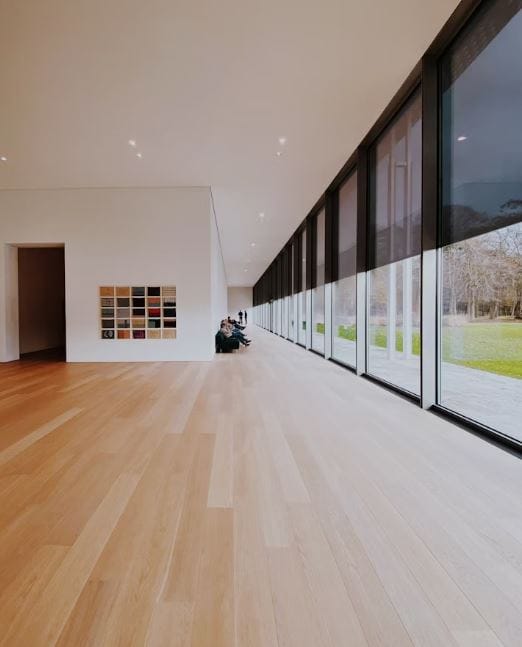
When it comes to designing a space, many people prioritize furniture, décor, and color schemes, often overlooking a crucial element that lays the groundwork for any aesthetic: the floors. Flooring is more than just a surface to walk on. It acts as the foundation of style, influencing the atmosphere of the entire room. Thoughtful flooring choices can transform an ordinary space into a vibrant haven, making it important to give it proper attention. Understanding the significance of floors and how they can enhance a room’s design is vital for anyone looking to elevate their home or workplace.
The Role of Flooring in Interior Design
The significance of flooring in interior design extends far beyond mere aesthetics. It contributes to the room’s character, soil quality, acoustics, and functionality.
Hardwood floors exude warmth and elegance, while tiles can bring about a cool, contemporary feel. Different materials have varying textures, colors, and patterns that cater to diverse design preferences.
Flooring plays a vital role in the spatial perception of a room. Light-colored floors can make a small space feel more expansive, while darker shades may create a sense of intimacy and coziness. This relationship between flooring and visual perception highlights why one must consider the impact of flooring choices when designing a space.
Types of Flooring to Consider
The marketplace is brimming with various flooring options, each with its unique characteristics. Hardwood, laminate, tile, carpet, and vinyl are some of the most popular flooring materials.
Hardwood is revered for its durability and aesthetic value, but it requires regular maintenance to keep it looking pristine. Laminate offers a more affordable alternative, mimicking the appearance of wood without the upkeep, making it ideal for high-traffic areas.
Tile flooring is known for its water resistance, making it a favorite in kitchens and bathrooms. Carpet is cozy and warm underfoot, but it might not be the best choice for homes with pets or small children due to maintenance issues.
Each material comes with its own set of pros and cons, making it crucial for homeowners to evaluate their specific needs before making a decision. You should take a look at RugNCarpet Vintage Runner Rugs if you’re interested in adding some character underfoot. Rugs and carpets can seamlessly incorporate style into your space.
The Practical Benefits of Investing in Quality Flooring
Investing in quality flooring offers numerous practical benefits that extend far beyond the shell of design. High-quality flooring can significantly enhance a room’s comfort and utility.
Better insulation and soundproofing features in certain flooring types contribute to a more enjoyable living environment. This becomes particularly important in multifamily dwellings where noise can be a concern. Superior flooring materials have extended lifespan potential, making them more cost-effective in the long run as they require less frequent replacement and repair.
Certain options are more sustainable than others, helping environmentally-conscious homeowners contribute positively to the planet. Recognizing flooring as an investment rather than a mere expense can change one’s approach toward home improvement.
How to Match Floors with Furniture
Coordinating your flooring with furniture and decor allows for a seamless design aesthetic. To create beautiful synergy within a space, it’s crucial to consider how various elements interact. Light hardwood floors can contrast beautifully with dark furniture, creating a striking visual appeal, whereas softer area rugs can soften a rigid aesthetic inspired by a minimalist design.
Understanding the color wheel can help homeowners harmonize colors effectively, making sure their floors do not clash with existing elements. Paying attention to textures works hand-in-hand with colors, as pairing a rough wood surface with sleek metal furniture can create rich visual layers.
Maintaining Your Floors
While selecting the right flooring is crucial, maintaining it is equally important to ensure longevity and performance. Each type of flooring requires specific care to prevent wear and tear. Hardwood floors should be swept regularly and occasionally refinished, while tile floors may necessitate a deep clean to eradicate stains and grime.
Carpeting always benefits from regular vacuuming, along with periodic professional cleaning to maintain its appearance and hygiene. Understanding the best practices for your flooring type can help homeowners make informed decisions on maintenance schedules, protecting their investment and enhancing the aesthetics of their space.
Trends Influencing Flooring Choices in Modern Design
Flooring trends are changing alongside interior design ones, influenced by both functionality and aesthetic preferences. Sustainability is at the forefront of many modern homeowners’ minds, leading to an increase in popularity for bamboo, cork, and even reclaimed wood flooring. These eco-friendly options bring a unique character to spaces.
Another growing trend is the incorporation of bold patterns and colors in flooring, encouraging homeowners to think out of the box. Geometric tiles or intricately patterned carpets can serve as focal points in rooms that are otherwise neutral. Keeping an eye on these trends can inspire new design choices and excite homeowners about their renovation projects.
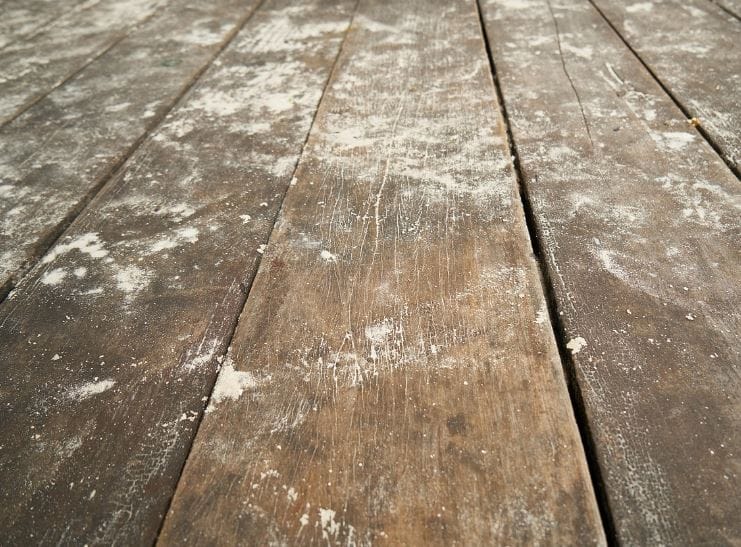
Thoughtful flooring choices can profoundly enhance any home or workspace, bridging the gap between functionality and design. By understanding the vital role floors play in shaping interiors, selecting the right materials, and maintaining these surfaces, anyone can achieve style that truly reflects their personality. As the foundation of style, floors deserve the attention they often lack, providing comfort and an aesthetic canvas that showcases individuality and taste.