The Complete Guide to Removing Old Odors from Furniture: Restoring Freshness
Few things are as unwelcome as a musty, lingering odor embedded in a beloved piece of furniture. Whether it’s a vintage find, a hand-me-down, or a piece that’s simply absorbed years of household smells, that persistent odor can make any room feel less inviting. The good news? With the right approach, you can successfully eliminate even the most stubborn old smells. This guide provides a structured, step-by-step method to restore your furniture to a fresh, odor-free state.
Understanding the “Why”: Why Furniture Holds Odors
Before tackling the odor, it’s helpful to understand why furniture acts like a smell sponge. Porous materials like wood, upholstery, padding, and foam absorb moisture and volatile organic compounds (VOCs) from the environment. These can come from smoke, pets, food, mildew, or simply years of use in a specific atmosphere. “Old odors are often a combination of trapped particles and microbial growth,” says Maria Evans, a restoration specialist. “The key is not just to mask the smell, but to thoroughly clean, disinfect, and air out the materials.”
Step 1: Diagnosis & Preparation
Identify the Source and Material:
- Wood Furniture: Odors settle into the porous grain.
- Upholstered Furniture: Smells penetrate fabric, padding, and wooden frames.
- Identify the Odor Type: Is it musty/mildewy, smoky, pet-related, or a general “old” smell? This dictates your primary treatment method.
Initial Preparation:
- Take the furniture outside on a sunny, low-humidity day. Sunlight and fresh air are powerful deodorizers.
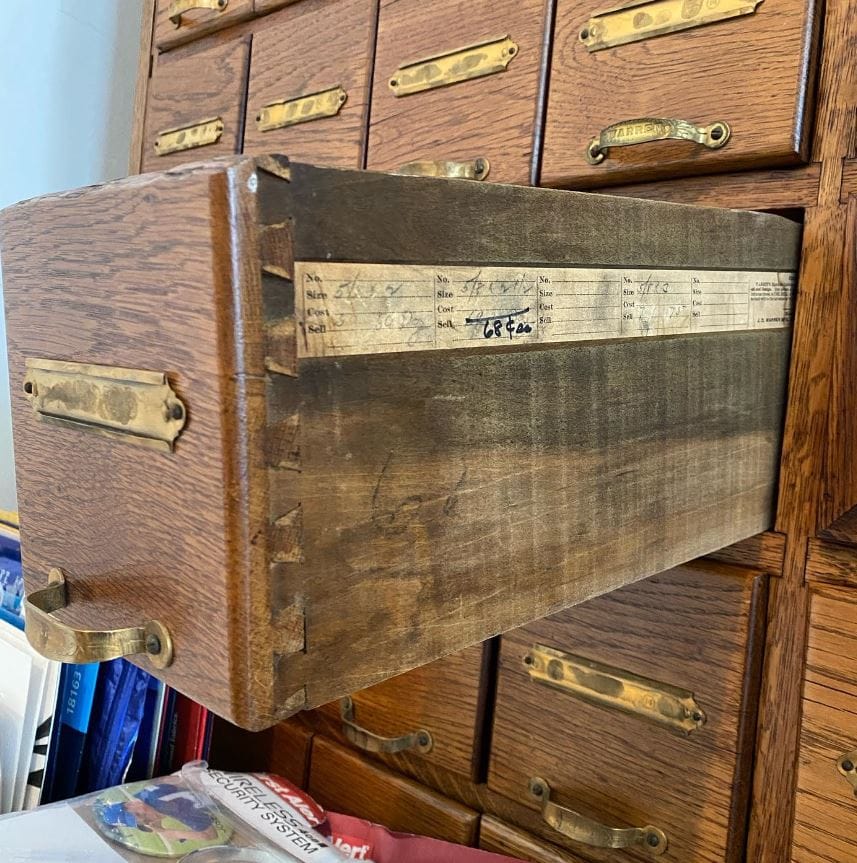
- Remove all cushions and drawers. Clean each component separately.
- Vacuum thoroughly using an upholstery attachment. For fabric, go deep into crevices. For wood, remove dust from all joints and carvings.
Step 2: Treatment Methods by Material & Odor Type
For Wooden Furniture:
- General/Old Smells: Wipe down with a 50/50 solution of white vinegar and water. Vinegar neutralizes odors. Follow with a clean water wipe and dry thoroughly.
- Musty/Mildew Odors: Use a solution of 1 teaspoon of chlorine bleach per quart of water for non-porous, finished wood (test on a hidden spot first). For unfinished wood, rubbing alcohol is a safer disinfectant.
- Smoke Odors: Create a paste from baking soda and a few drops of water, apply to the surface, let sit for an hour, then wipe off. Follow with a vinegar-water wipe to neutralize.
For Upholstered Furniture:
- General Freshening: Liberally sprinkle baking soda over the entire surface, working it into crevices. Let it sit for at least 6-8 hours, or overnight, then vacuum thoroughly.
- Targeted Treatment: For specific spots, a light misting with a 1:3 solution of white vinegar and water (test for colorfastness first) can help. Always dry completely with fans to prevent mold.
- For Severe Odors: Consider a steam cleaner with a clean water tank or a commercial enzymatic cleaner (especially for organic smells like pet urine). These break down odor-causing molecules at the source.
Step 3: The Power of Absorption (The Final Phase)
After cleaning, use natural absorbers to pull out residual odors. These are your most powerful tools for old smells.
| Absorber | Best For | Method & Duration | Notes |
|---|---|---|---|
| Baking Soda | All-around, upholstery, enclosed spaces. | Sprinkle or place in an open box inside drawers/on fabric. 24-48 hours. | Cheap, non-toxic. Excellent for maintenance. |
| Activated Charcoal | Severe, stubborn odors (smoke, mildew). | Place bowls or bags near/inside furniture. 5-7 days. | Highly porous. More effective than regular charcoal. |
| Fresh Coffee Grounds | Musty, general “closed” smells. | Place dry grounds in a shallow bowl inside drawers/cabinets. 2-3 days. | Leaves a mild coffee scent; test for stains. |
| Cat Litter (Clay) | Damp, musty odors in enclosed spaces. | Fill a shallow container; place inside furniture. 4-5 days. | Unscented, non-clumping only. Very effective for moisture. |
Pro Tip: “Patience is crucial with absorption,” notes Evans. “Sealing the item in a plastic bag with your chosen absorber supercharges the process for severe cases, but only if the furniture is fully dry to prevent mold.”
Step 4: Finishing Touches & Prevention
- Air It Out: Continue to allow the furniture to ventilate in a well-circulated area after treatment.
- Natural Scenting: Lightly sand cedarwood blocks and place them in drawers, or make sachets with dried lavender and citrus peels.
- Seal the Deal (For Wood): If odors persist in unfinished wood, consider sealing the interior with a coat of shellac-based primer, which is an excellent odor blocker, before refinishing.
- Prevent Future Odors: Control humidity in your home, address spills immediately, and use protective covers in high-risk areas.
When to Call a Professional
If the odor persists after these thorough efforts, or if you suspect extensive mold growth or pest infestation, consult a professional furniture restorer or odor remediation specialist. They have industrial-grade ozone generators and hydroxyl machines that can neutralize odors at a molecular level without chemicals.
Conclusion: A Methodical Path to Freshness
Removing old odors from furniture is rarely a single-step fix. It’s a systematic process of cleaning, disinfecting, absorbing, and airing. By accurately diagnosing the source, applying targeted treatments, and patiently employing natural absorbers, you can reclaim your furniture from the clutches of unpleasant smells. Remember, the goal is a clean, neutral scent—not a heavily perfumed mask. With this structured approach, your furniture can look and smell like a cherished part of your home once again.