Olefin Fabric Disadvantages: Pros, Cons & Best Uses Explained
When shopping for furniture, outdoor cushions, or area rugs, you’ve likely encountered olefin (also known as polypropylene). Touted for its durability and stain resistance, it’s a popular synthetic fabric. But is it the right choice for your needs?
This deep dive into olefin fabric will unpack its disadvantages, balance them with its advantages, and provide clear guidance on its best uses to help you make an informed decision.
What is Olefin Fabric?
Olefin is a synthetic fiber derived from polypropylene or polyethylene, which are polymers created from petroleum and natural gas. It’s known for its strength and is created through a process where the plastic is melted and spun into threads. A key feature of olefin is its solution-dyed nature, meaning the color is added to the liquid plastic before it’s turned into a fiber. This results in exceptional colorfastness and resistance to fading.
Industry Insight: “Olefin’s solution-dyed characteristic is its superpower. Unlike fabrics dyed after weaving, the color is locked in, making it a champion against sun fade and chemical bleaching,” notes a textile engineer from a major fabric manufacturer.
The Major Disadvantages of Olefin Fabric
While olefin has many strengths, it’s not a perfect material. Understanding its drawbacks is crucial before making a purchase.
1. Poor Heat Resistance and Low Melting Point
This is olefin’s most significant weakness. As a plastic-based fiber, it is highly susceptible to heat. Even a hot item left briefly on an olefin cushion or carpet can cause melting, scorching, or permanent damage. This makes it a poor choice for areas near fireplaces, heat vents, or for use with hot tools like hair straighteners or curling irons.
2. Rough Texture and Lack of Luxurious Feel
Don’t expect olefin to feel like soft cotton, velvet, or wool. It generally has a rougher, more synthetic hand-feel. While newer weaves and blends have improved its texture, it often lacks the inherent softness and luxury of natural fibers. For primary living spaces where comfort is paramount, this can be a major downside.

3. Prone to Oiling and Grease Stains
Ironically, while olefin resists water-based stains (like wine or coffee) exceptionally well, it is highly susceptible to oil-based stains. Grease, cooking oil, and certain lotions can be absorbed into the fibers and are notoriously difficult to remove. These stains often require specialized cleaning solutions.
4. Susceptibility to Crushing and Pilling
In high-traffic areas, olefin carpets and furniture can be prone to “crushing,” where the fibers become matted down and don’t spring back. Some types of olefin are also susceptible to pilling—the formation of small, fuzzy balls on the fabric’s surface—especially in blends with other synthetics.
5. Environmental Considerations
While olefin is recyclable and requires less energy to produce than some fibers like nylon, it is still a petroleum-based plastic. For consumers seeking natural, biodegradable, or eco-friendly materials, olefin does not align with those values.
Olefin Fabric: Advantages vs. Disadvantages at a Glance
To make an informed choice, it’s helpful to see the pros and cons side-by-side.
| Feature | Advantage (The “Pro”) | Disadvantage (The “Con”) |
|---|---|---|
| Durability | Extremely strong, abrasion-resistant, and resilient. | Can be prone to crushing and pilling in low-quality weaves. |
| Stain Resistance | Excellent resistance to water-based stains and mildew. | Poor resistance to oil and grease stains. |
| Colorfastness | Solution-dyed for exceptional fade resistance to sun and chemicals. | N/A – This is a nearly universal advantage. |
| Moisture Resistance | Hydrophobic; dries quickly, making it mold/mildew resistant. | N/A – This is a nearly universal advantage. |
| Heat Resistance | N/A – This is a universal disadvantage. | Very low melting point; easily damaged by heat. |
| Feel & Comfort | N/A – This is a universal disadvantage. | Generally has a rough, less luxurious texture. |
| Cost | Very affordable compared to many natural fibers. | Can be perceived as “cheap” due to its synthetic nature. |
| Environmental Impact | Recyclable and less water-intensive to produce. | Derived from non-renewable petroleum; not biodegradable. |
Olefin vs. Other Common Fabrics
How does olefin stack up against other popular choices for upholstery and outdoor use?
| Fabric | Best For | Key Advantage | Key Disadvantage vs. Olefin |
|---|---|---|---|
| Olefin | Outdoor furniture, basements, high-traffic areas | Fade & moisture resistance, affordability | Rough feel, low heat resistance |
| Acrylic | Outdoor cushions, awnings, upholstery | Softest “wool-like” feel of synthetic fibers | Less durable and more expensive than olefin |
| Polyester | General upholstery, outdoor fabrics, pillows | Soft feel, good durability, resists wrinkles | Less fade-resistant and can be less durable than olefin |
| Nylon | High-traffic carpets, heavy-duty upholstery | Extremely strong, resilient, good heat resistance | More expensive and can fade faster than solution-dyed olefin |
Best Uses for Olefin Fabric (Playing to Its Strengths)
Given its unique profile, olefin shines in specific applications where its disadvantages are minimized, and its advantages are critical.
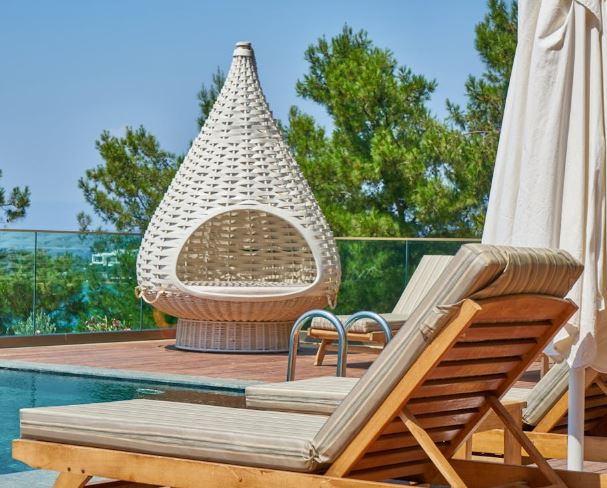
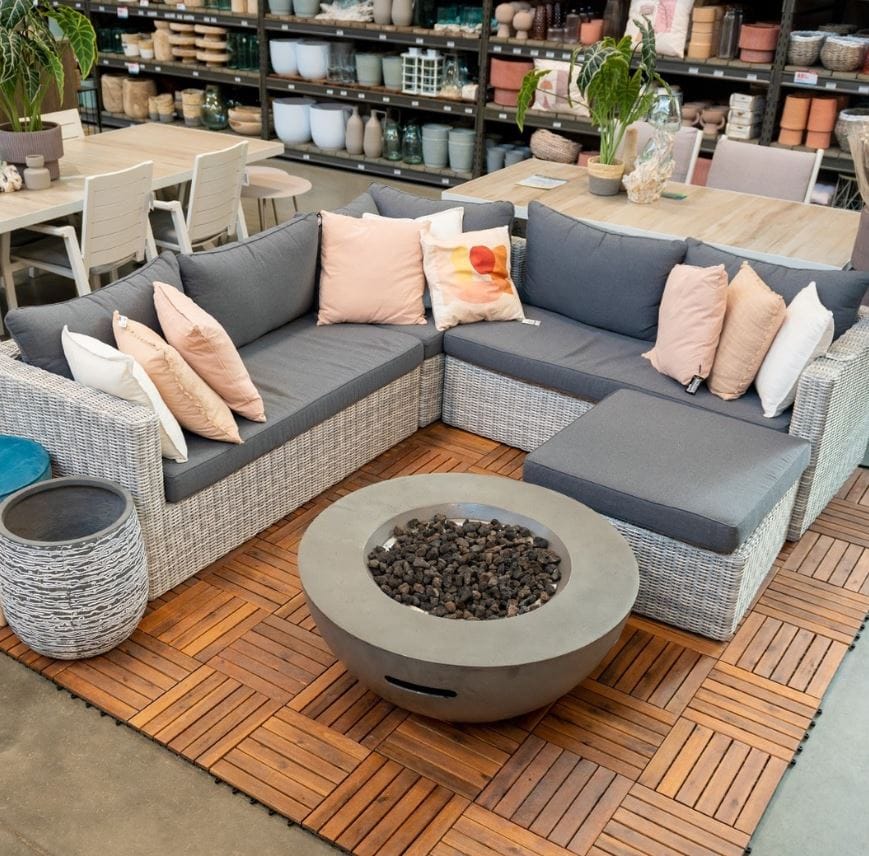
- Outdoor Furniture: This is olefin’s prime territory. Its resistance to sun, moisture, and mildew makes it perfect for patio cushions, umbrellas, and boat covers.
- Indoor/Outdoor Rugs: An olefin rug can handle a muddy footprint on the porch or a spilled drink by the pool and clean up easily.
- Basement & Sunroom Carpeting: Areas prone to dampness or direct sunlight are ideal for moisture-resistant and fade-proof olefin carpet.
- Performance Upholstery: In commercial settings like offices, hotels, and healthcare facilities, olefin’s durability and stain resistance are highly valued.
The Final Verdict
Olefin is a workhorse fabric designed for performance, not luxury. Its disadvantages—namely low heat resistance, a rough feel, and susceptibility to oil stains— make it a poor choice for a plush, primary living room sofa or anywhere near direct heat sources.
However, its advantages of incredible stain, fade, and moisture resistance make it an almost unbeatable choice for outdoor settings, high-moisture areas, and high-traffic commercial spaces. When you choose olefin, you are choosing practicality and durability over softness and luxury.