Living Room Layouts 101: Arranging Furniture for Flow and Functionality
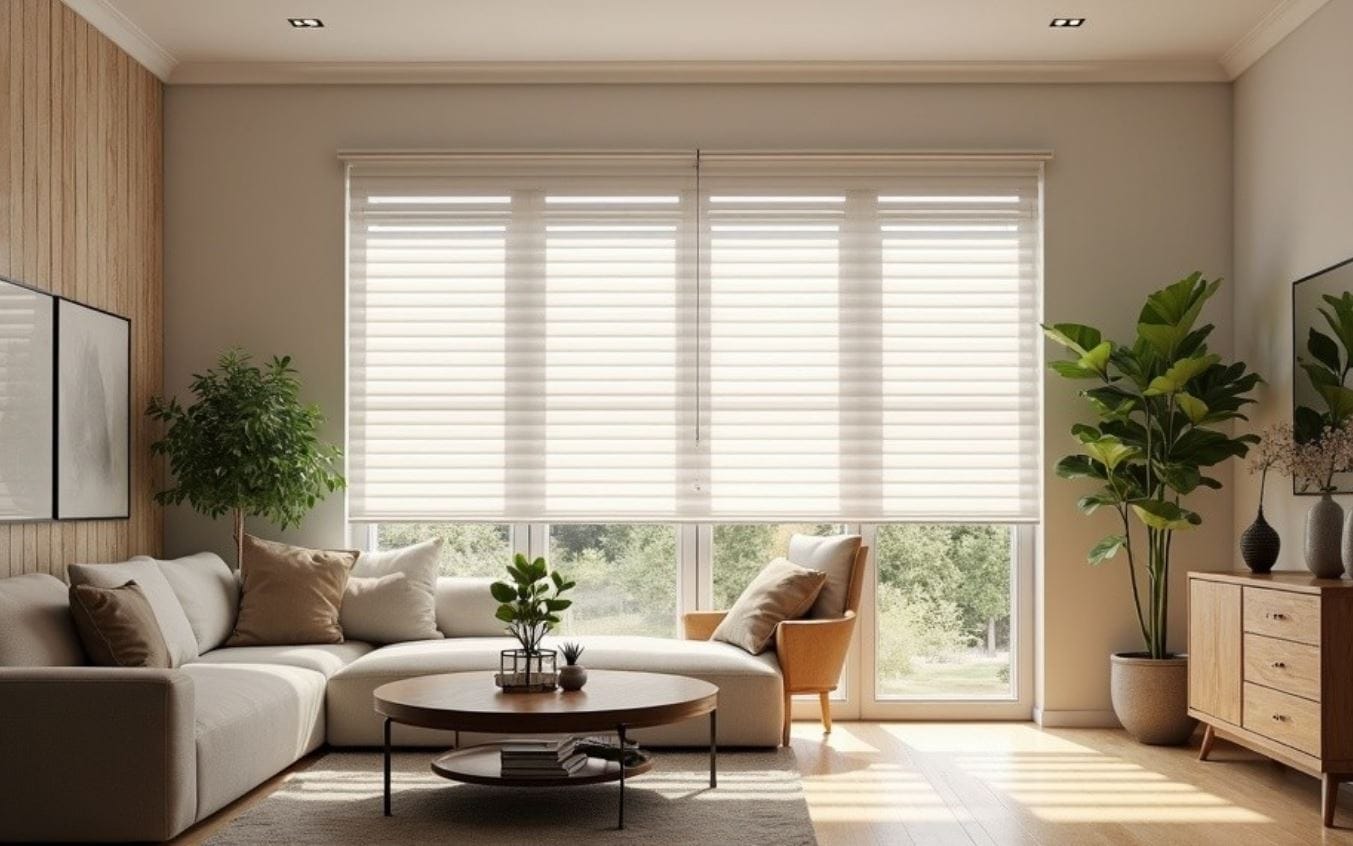
Decorating a living room often starts with picking out paint colors or falling in love with a specific fabric pattern. But the true foundation of a comfortable living space comes down to how you arrange the furniture. If you constantly bump your shins on a coffee table or have to shout across a massive gap to talk to a guest, even the most expensive decor will feel uncomfortable. Good interior design relies heavily on thoughtful spatial planning.
Organizing a room is a physical puzzle where you have to balance comfort with clear walking paths. When you plan your seating arrangement around daily habits, the room naturally becomes more relaxing. Whether you are dealing with a cramped apartment living area or an open-concept main floor, following a few basic layout principles will help you create a room that works perfectly for both relaxing and hosting friends.
Find Your Natural Focal Point
Every room needs an anchor. A focal point gives the eye a place to rest when you walk into the room and sets the orientation for the main seating arrangement. In older houses, this is frequently a built-in architectural feature like a brick fireplace or a large bay window overlooking the street. In modern builds, it might be a custom entertainment center or simply a large, blank wall waiting for a statement piece of art or a television.
Once you identify this main feature, you can build your floor plan around it. If your focal point is a television, you need to think about viewing angles and screen glare. Position your primary seating directly across from the screen to avoid neck strain. If a fireplace or an oversized window is the star of the room, angle your chairs and sofas to take advantage of the view or the warmth.
Sometimes, you have competing focal points, such as a TV on one wall and a gorgeous fireplace on another. In those cases, you can set up a dual-zone layout or place your main seating diagonally to enjoy both features at the same time. The goal is to orient the room so that it makes sense the moment you walk through the door.
Understanding Traffic Flow and Clearance Rules
A room only feels comfortable if people can move through it easily. Traffic flow refers to the paths people take to walk into, through, and out of the room. Before you move heavy boxes or slide a heavy couch across the floor, look at your doorways and map out the natural walking routes from one room to the next.
You want to direct foot traffic around your conversation areas, not right through the middle of them. Try to leave at least 30 to 36 inches of clear space for main walkways. If a path only gets occasional use, you can sometimes get away with 24 inches, but anything less will feel tight and uncomfortable to walk through.
Clearance within the seating area matters just as much as the main walkways. The distance between your main sofa and the coffee table should sit right around 14 to 18 inches. This gives people plenty of legroom while keeping drinks and remotes within easy reach. Side tables should sit close enough to a chair that someone can set down a glass without leaning out of their seat. Keep them roughly equal to or just slightly shorter than the armrest height of the chair.
Creating Functional Conversation Zones
Living rooms are primarily meant for socializing, which means seating needs to be arranged to encourage conversation. If your chairs are pushed too far apart, people have to raise their voices to be heard. A good rule of thumb is to keep the seating pieces within eight feet of each other to maintain an intimate atmosphere.
Instead of lining all your furniture up in a row facing one direction, create a circle or a U-shape layout. A face-to-face setup with a coffee table in the middle is excellent for formal sitting rooms where conversation is the main activity. For casual family rooms, an L-shape often works best because it accommodates a television while still letting people face each other easily.
You do not need massive sectionals to build a cozy setting. Many people use smaller seating pieces like loveseats to complement a larger sofa, or as primary seating in apartment-sized spaces to maintain good traffic flow. A pair of matching armchairs set opposite a compact sofa can offer the exact same amount of seating as a bulky three-piece set but allows for much more flexibility when you want to update your room layout.
Floating Your Furniture Off the Walls
One of the most common design mistakes is pushing every single piece of furniture flat against the walls. This might seem like the best way to open up the floor space, but it actually creates an awkward, empty void in the center of the room. It also makes conversation difficult because everyone is sitting too far apart to speak comfortably.
Instead, try floating your seating arrangement closer to the middle of the room. Even pulling your couch just three or four inches away from the wall creates a shadow line that gives the illusion of more space. If you have an open-concept home, floating your furniture is completely necessary. The back of a sofa acts as a physical barrier that defines the living room and visually separates it from the dining area or kitchen.
If you are worried that a floating layout will look disconnected, use a large area rug to tie everything together. All the front legs of your primary seating should rest on the rug. This grounds the layout and signals to the brain that the collection of furniture is one cohesive zone rather than scattered pieces.
Balancing Visual Weight and Scale
Arranging a living room is not just about physical space. It also requires an eye for visual weight, which is how heavy or bulky an item appears based on its size, color, and shape. A large, dark leather sofa carries a lot of visual weight, while a glass-topped coffee table with thin metal legs feels visually light and airy.
To make a room feel stable, you have to balance these weights throughout the space. If you place a bulky sofa on the left side of the room, do not put a delicate, armless chair directly next to it. Put something with equal visual presence across from it, like two solid upholstered chairs or a heavy wooden console table, to keep the room from feeling lopsided.
You should also mix different heights to keep the eye moving around the room. If every piece of furniture sits low to the ground, the room looks flat. Bring in a tall floor lamp, a high-backed reading chair, a tall bookshelf, or floor-to-ceiling curtains to draw attention upward and make the ceiling feel much higher.
Perfecting the Final Arrangement
Once your big seating pieces are in place, you can focus on the supporting elements that make the layout practical for everyday use. Every seat needs access to a surface for setting down a book or a mug of coffee. Nesting tables or small drink stools are excellent solutions because they can be tucked out of the way when you need more floor space for guests or kids playing.
Lighting also plays a massive role in how a layout functions during the evening. Relying purely on bright overhead fixtures casts harsh shadows that make the room feel like a cafeteria. Bring in table lamps and floor lamps to cast a softer, more localized glow over your reading corners and conversation spaces. A well-placed lamp also serves as a subtle boundary marker for different living areas in an open floor plan.
Take a few days to live with your new layout before making permanent decisions like hanging heavy mirrors or mounting a television to the drywall. Pay attention to how your family actually uses the space. If people consistently bump into a specific chair, move it out of the traffic path. If a corner feels too dark during the evening, add another lamp. The best interior layouts evolve over time based on real life, prioritizing function and comfort above all else.
FAQ About Living Room Layouts
How much space do I need between my sofa and coffee table?
You should aim for about 14 to 18 inches of distance between your seating and the coffee table. This gives people enough room to walk and stretch their legs while keeping drinks and magazines within easy arm’s reach.
What should I do if my living room is long and narrow?
In a long and narrow room, you want to divide the space into two separate zones instead of forcing one massive seating area. You might set up your main television-watching area on one side and a small reading nook or dedicated workspace on the opposite end.
Is it okay to put furniture in front of a window?
Yes, you can place furniture in front of a window, provided the piece has a low back that does not block the natural light. It is a great way to free up wall space in smaller rooms, but you should leave a few inches of clearance so your curtains or blinds can still move freely.
How do I handle a living room with multiple doors?
When dealing with multiple entryways, trace the most direct path between the doors and leave that walkway entirely clear. You will likely need to float your furniture in the center of the room or push it into a dedicated corner to keep the traffic flow moving smoothly around the seating zone.
What size rug do I need for my living room?
Your rug needs to be large enough that at least the front legs of your primary seating pieces sit on it. For most standard living rooms, an 8×10 or 9×12 rug works well, while a 5×7 rug will often look too small and make the space feel disjointed.