Improving Workplace Safety With Two-Way Radio Coordination

The forklift driver had a full pallet raised chest-high. Visibility? Not great.
Across the warehouse aisle, two workers stepped into the lane, focused on moving inventory. Neither noticed the forklift approaching.
Then a voice cracked through a radio.
“Stop. Pedestrians in aisle three.”
The forklift froze. The workers passed. Everyone went back to their jobs.
No alarms. No accident report. Just one quick message over two-way radios that prevented what could’ve been a very bad afternoon.
Workplace safety often hinges on moments exactly like this—seconds where communication either arrives… or doesn’t.
Safety Isn’t Just Training—It’s Real-Time Awareness
Companies invest heavily in safety training. Posters go up. Procedures are written. Meetings happen.
All important, of course.
But safety rules only work when people know what’s happening around them. And on busy job sites—construction zones, warehouses, manufacturing floors—conditions change constantly.
Equipment moves. Deliveries arrive. Workers enter new areas.
The problem isn’t usually a lack of rules.
It’s a lack of real-time information.
That’s where two-way radios shine. Workers can instantly share updates the moment something changes, turning communication into a live safety system rather than a delayed report.
Heavy Equipment Requires Constant Coordination
Let’s talk about machines.
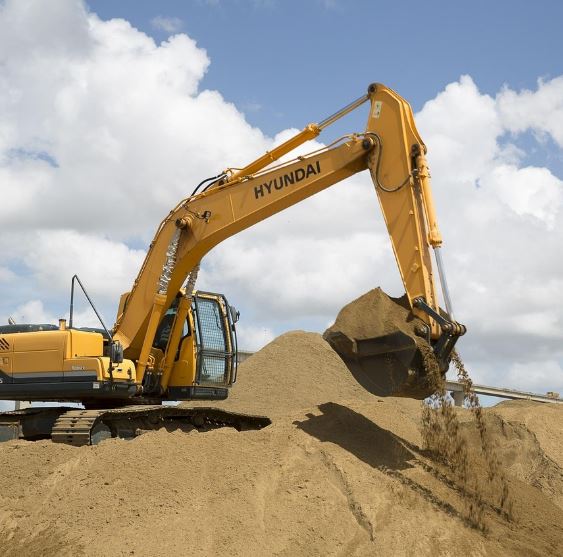
Forklifts. Cranes. Loaders. Excavators. All incredibly useful—and potentially dangerous if miscommunication creeps in.
Operators often can’t see everything around them. Their view may be blocked by loads, structures, or surrounding equipment.
So they rely on spotters and supervisors.
Without clear communication, this coordination becomes guesswork. And guesswork around heavy machinery is… not ideal.
With two-way radios, spotters can guide equipment movements in real time:
“Clear to lift.”
“Swing left.”
“Stop—worker entering the zone.”
Modern systems like these two-way radios allow teams to stay connected across large job sites, warehouses, or facilities where visual contact isn’t always possible.
One quick message can prevent a major mistake.
Hazards Rarely Send Calendar Invites
Workplace risks tend to appear without warning.
A spill on the floor.
A blocked exit path.
Unexpected weather at an outdoor job site.
Unauthorized personnel entering restricted areas.
When hazards pop up, speed matters.
If workers rely on phone calls, messages, or walking across the site to notify others, valuable time disappears. By the time everyone knows about the issue, someone may already be in danger.
Two-way radios change that dynamic.
One worker notices a hazard, presses the button, and the alert spreads instantly across the team.
Problem spotted. Information shared. Response coordinated.
That’s how accidents get prevented before they start.
When Emergencies Happen, Simplicity Wins
Nobody wants to imagine emergency scenarios. But responsible workplaces prepare for them anyway.
In emergencies, communication must be immediate and uncomplicated.
Phones can fail in these moments. Screens lock. Apps lag. Networks get overloaded.
Radios avoid that complexity entirely.
Push the button. Speak. Everyone hears it.
Workers can instantly call for assistance, alert supervisors, or guide emergency responders to the correct location. Teams coordinate evacuations or safety protocols without confusion.
It’s not fancy technology.
It’s fast technology.
And in emergencies, fast beats fancy every time.
Less Distraction, More Awareness
Smartphones are powerful tools. But they come with a downside: distractions.
Notifications pop up. Apps compete for attention. Workers glance down to check messages and briefly disconnect from their surroundings.
On job sites where safety depends on awareness, that’s not ideal.
Two-way radios serve one purpose—communication.
No scrolling. No notifications. No side quests into social media.
Workers stay focused on their environment while still being able to communicate instantly with the team.
Simple tools sometimes create the safest habits.
Communication Builds a Safety Culture
Here’s something safety experts often emphasize: accidents drop when workers feel comfortable speaking up.
When communication tools are slow or complicated, people hesitate to report small concerns. They think, Someone else will handle it.
Radios remove that barrier.
A quick push-to-talk message allows anyone to report hazards, ask questions, or warn teammates about potential risks. Over time, this encourages a culture where safety information flows freely instead of staying silent.
And that kind of culture saves lives.
The Quiet Hero of Job Site Safety
Safety gear gets attention—helmets, harnesses, protective equipment. Training programs do too.
Communication tools? Not as much.
But behind the scenes, two-way radios often serve as the invisible thread connecting everything together.
They keep workers informed.
They coordinate equipment safely.
They help teams respond when things go wrong.
Sometimes the difference between an accident and a close call is just a few words spoken at the right moment.
“Hold up.”
“Stop the lift.”
“Clear the area.”
Three seconds of communication. A whole day saved from disaster.