How to Stop Moths From Eating Natural Fabrics in Your Closet

The process of securing the natural fabrics against attacks of moths begins with the knowledge as to why the moths would be attracted to closets in the first place. Protein and moisture moths need wool, cashmere, silk and cotton, and therefore these garments are susceptible to holes and stains. Once moths are settled, they are able to reproduce rapidly and create continuous destruction. Early intervention is cost-effective as it helps to save clothing and eliminates frustration and cost in the long term. Moths can be prevented with the help of simple habits, storage, cleaning routines, and professional assistance of house owners, which will also help to ensure a healthy environment in a wardrobe.
Knowing the Damage of Fabric
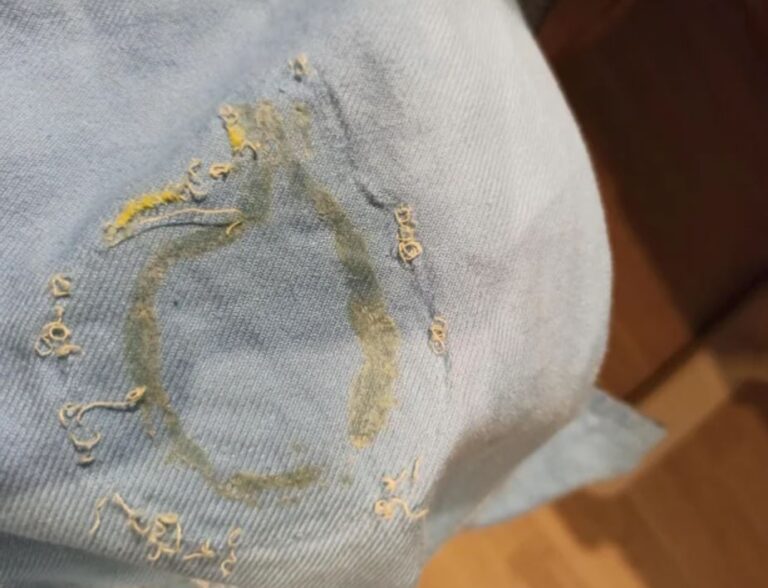
The natural fabrics are the target of clothing moths since they have keratin, which is a type of protein that is consumed by the moth larvae. They are small insects liking dark places and with minimal disturbance and therefore, closets are their favorite house. Larvae cut small threads over time forming holes that extend through seams and sleeves. A single moth generation will ruin substantial parts of your wardrobe unattended. Knowing their life cycle will enable the homeowners to prevent the problem at its very beginning instead of responding when the damage is apparent.
Though the adult moths might fly around in the evening, they do not damage cloth. The actual danger lies in larvae which feed the whole time. Garments that contain remnants of food, sweat and skin cells tend to have moths laying eggs on them. Frequent cleaning of the wardrobe and laundry processes decrease the possibility of this occurrence. The local professionals, such as pest control Whitby professionals, can also be approached by the homeowners, who seek further instruction on preventing the larvae proliferation in the storing areas.
Enhancing Conditions in Closets
Dampness, dust and overcrowded shelves are ideal breeding grounds of moths. The space should become less attractive to insects by increasing the airflow in the closets and lowering humidity. Waving doors, rearranging clothing and wiping of shelves encourage frequent disturbance, which moths do not like. To remove eggs and larvae attached to the fabric fibers it is best to vacuum the floor and the baseboards. Such measures, which are done annually, are a powerful source of long-term insurance.
Another useful one is sunlight exposure. The moths like darkness and thus hanging clothes on bright points occasionally would keep away the moths. Natural fabrics that are kept away without light all through the months are likely to attract the moths. The owners of the houses will be able to switch clothes according to the season, discard those that are not used on a regular basis, and keep those that are highly valued much safer. Healthier airflow and cleaning practices make the closet healthier, as well as help decrease future infestations.
Using Safe Storage Methods
Fabric is less accessible to moths using protective storage containers. Airtight bins, garment bags and cedar lined chests serve as powerful barriers between insects and clothes. The favorite ones include cedar and lavender because they have a natural smell that insects would not like. Though these techniques do not assure full protection they will greatly aid in minimizing the possibility of moths coming into contact with stored garments. Holding fewer products in congested areas also restricts secret places where moths can be.
Natural fabrics are useful since they can be washed or dry cleaned prior to entering the warehouse. Clean cloth is much less appealing to the moths attracted by the smell of body oils and food leftovers. Sealed containers using breathable garment bags or sealed containers using folding materials cover delicate items to prevent direct contact. In case the infestation continues, the homeowners can seek the help of pest control Oshawa experts, who will provide safe and efficient treatments that will not cause any damage to fabrics and other properties.
Enhancing Long Term Prevention
After a closet has been moth free, prevention is also relevant. Homeowners might prepare a basic routine to have monthly vacuum cleaners, frequent garment inspection and switch broken hangers or shelves where eggs can be hidden. It is inhospitable to insects by the use of scented sachets, dehumidifiers, and infrequent exposure to sunlight. The practices are not time consuming and they have the ability of eliminating future infestations before they get established.
Lastly, it is important to be aware of the initial indications of the damage in order to take prompt measures. The presence of small fibers on the floor, fine fabric, or small white eggs are evidence of a moth revival. These problems are solved in real time, which minimizes the spreading process and minimizes the large-scale repairs/replacement. With secure storage practice, good cleaning routines, and professional assistance at the right time, homeowners can save natural fabrics over a long period of time.