How to Grow and Care for Your Philodendron Florida Ghost
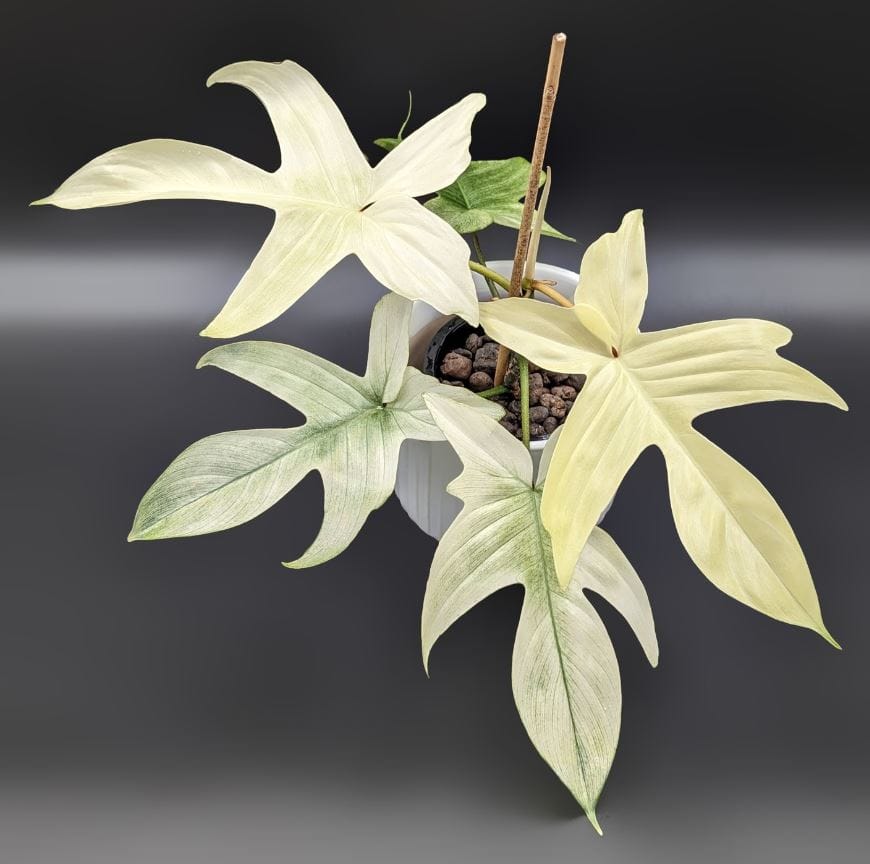
Of all the captivating and enigmatic houseplants, the Philodendron Florida Ghost stands in a league of its own. With its hauntingly beautiful, multi-lobed leaves that emerge in a spectral, bone-white color before maturing to a deep, ghostly green, it’s a plant that sparks curiosity and admiration in equal measure.
Caring for this phantom beauty can seem daunting, but fear not. This comprehensive guide will demystify the process, providing you with the essential knowledge to help your Florida Ghost not only survive but truly thrive.
Unveiling the Phantom: What is a Philodendron Florida Ghost?
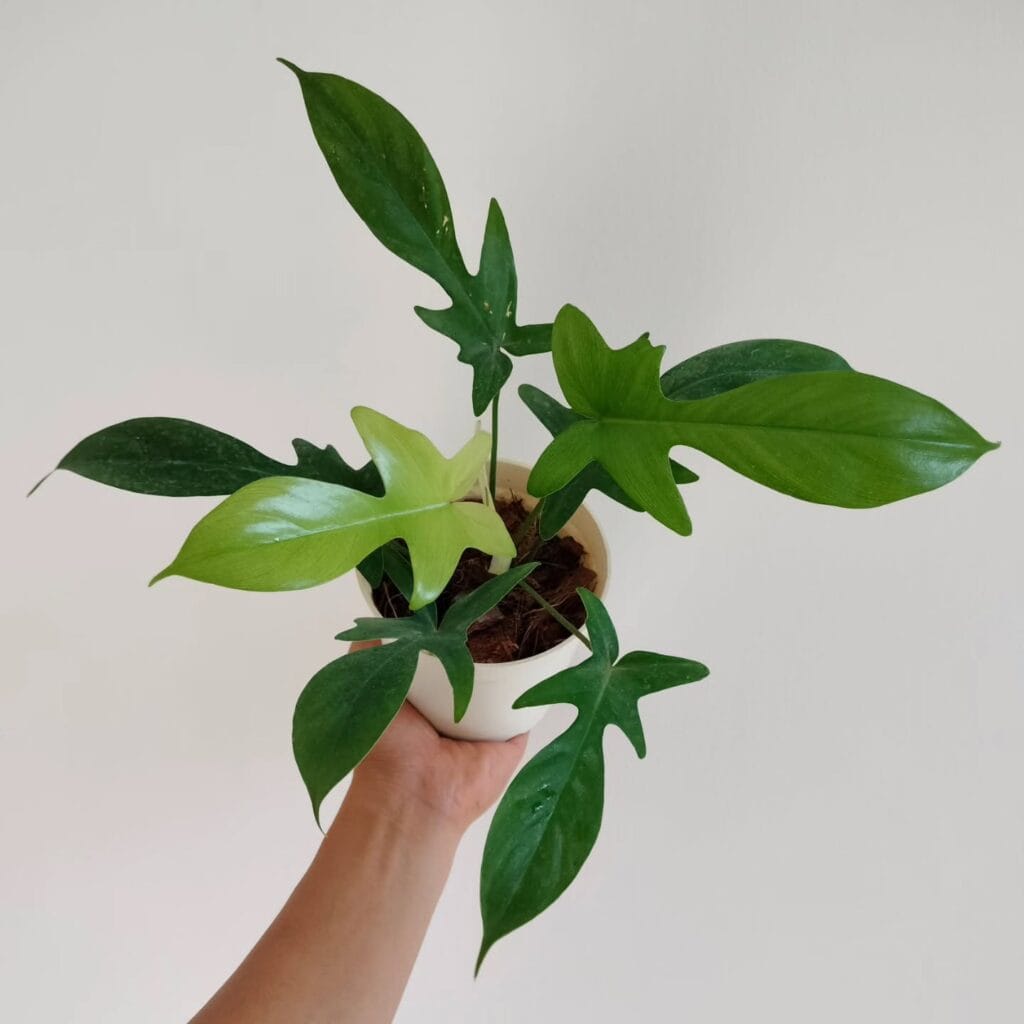
The Florida Ghost is a stunning hybrid philodendron, believed to be a cross between P. squamiferum and P. pedatum. Its most defining feature is the chameleon-like nature of its foliage. New leaves unfurl from a cataphyll, showcasing a stunning creamy-white or pale yellow color. As the leaf hardens and matures over several weeks, it gradually transitions to a chartreuse, and finally, a deep, glossy green.
As one horticulturist aptly puts it, > “The Florida Ghost is a living timeline in a single plant. You can witness its entire life story, from its ghostly youth to its wise, deep-green maturity, all at once on the same vine.”
A Guide to Summoning the Ghost: Essential Care Requirements
1. Light: The Secret to the Specter’s Color
Light is the single most important factor in encouraging the Florida Ghost’s signature white leaves. It requires bright, indirect light.
- Too little light: The plant will become leggy, and new leaves will emerge green, losing its “ghostly” characteristic.
- Too much direct sun: The delicate, pale leaves are prone to sunburn, which will manifest as crispy, brown spots.
Ideal Placement: An east-facing window is perfect. A south or west-facing window can work if the plant is placed a few feet back or filtered by a sheer curtain.
2. Watering: A Balancing Act
Like most aroids, the Florida Ghost prefers a moderate watering routine. The goal is to keep the soil lightly moist but never soggy.
- The Finger Test: The best method is to check the top few inches of soil. Water thoroughly when the top 1-2 inches feel dry.
- Seasonal Adjustments: Water more frequently during the active growing season (spring and summer) and reduce watering in the fall and winter.
3. Soil & Potting: The Foundation for Growth
A well-draining, airy potting mix is non-negotiable. It prevents root rot by allowing excess water to escape quickly while retaining some moisture and allowing oxygen to reach the roots.
A Simple DIY Mix Recipe:
- 2 parts Premium Potting Mix
- 1 part Orchid Bark (for aeration)
- 1 part Perlite (for drainage)
- A handful of Horticultural Charcoal (to keep the soil fresh)
Ensure your pot has adequate drainage holes.
4. Humidity & Temperature: Recreating the Tropics
As a tropical plant, the Florida Ghost appreciates high humidity and warm temperatures.
- Humidity: Aim for 60% or higher. While it can tolerate average household humidity (around 40-50%), you’ll see more robust growth and larger leaves in a more humid environment. Use a humidifier, a pebble tray, or place it in a naturally humid room like a bathroom (with sufficient light).
- Temperature: Keep it in a range of 65°F – 80°F (18°C – 27°C). Protect it from cold drafts and sudden temperature fluctuations.
5. Feeding: Nourishing the Spirit
Feed your plant during its growing season (spring and summer) with a balanced, liquid houseplant fertilizer diluted to half strength, once a month. Avoid fertilizing in the winter when growth slows.
Philodendron Florida Ghost vs. Florida Beauty: A Comparative Guide
It’s easy to confuse the Florida Ghost with its variegated cousin, the Philodendron ‘Florida Beauty’. Here’s a quick comparison to clear up the confusion.
| Feature | Philodendron Florida Ghost | Philodendron Florida Beauty |
|---|---|---|
| Foliage Color | Age-dependent: White → Chartreuse → Green | Stable Variegation: Green with random, stable patches of yellow or cream. |
| Leaf Texture | Glossy, smooth | Glossy, smooth |
| Growth Habit | Climbing or trailing | Climbing or trailing |
| Cause of Color | Natural maturation process of each leaf. | Genetic mutation (chimerism) causing a lack of chlorophyll in certain sections. |
| Rarity & Cost | High | Very High to Extremely High |
Troubleshooting Common Spectral Problems
- Yellowing Leaves: Often a sign of overwatering. Check your watering habits and ensure the soil is draining properly.
- Brown, Crispy Leaf Edges: Typically caused by low humidity or underwatering. Increase humidity and check soil moisture more frequently.
- Leggy Growth with Small, Green Leaves: A clear indicator of insufficient light. Move the plant to a brighter location.
- Pale, Washed-Out Leaves: This could be a sign of too much direct light (bleaching) or a need for fertilization.
Propagation: Multiplying Your Phantoms
The best way to propagate your Florida Ghost is through stem cuttings.
- Using a clean, sharp pair of scissors or pruning shears, cut a stem section that has at least one node and 2-3 leaves.
- Place the cutting in water or moist sphagnum moss, ensuring the node is submerged or buried.
- Place in a warm spot with bright, indirect light.
- For water propagation, change the water weekly. For moss, keep it consistently moist.
- Once roots are a few inches long (usually in 4-6 weeks), pot your new plant in your well-draining soil mix.
Final Care Summary
| Factor | Recommendation |
|---|---|
| Light | Bright, indirect light. |
| Water | When top 1-2 inches of soil are dry. |
| Soil | Chunky, well-draining aroid mix. |
| Humidity | High (60%+ ideal). |
| Temperature | 65°F – 80°F (18°C – 27°C). |
| Fertilizer | Balanced, half-strength, monthly in spring/summer. |
Caring for a Philodendron Florida Ghost is a rewarding journey. By providing it with the right balance of light, water, and humidity, you’ll be rewarded with a spectacular, fast-growing plant that puts on a mesmerizing color show. It’s not just a houseplant; it’s a living, changing work of art for your home.