How to Get Rid of Dust Bunnies?
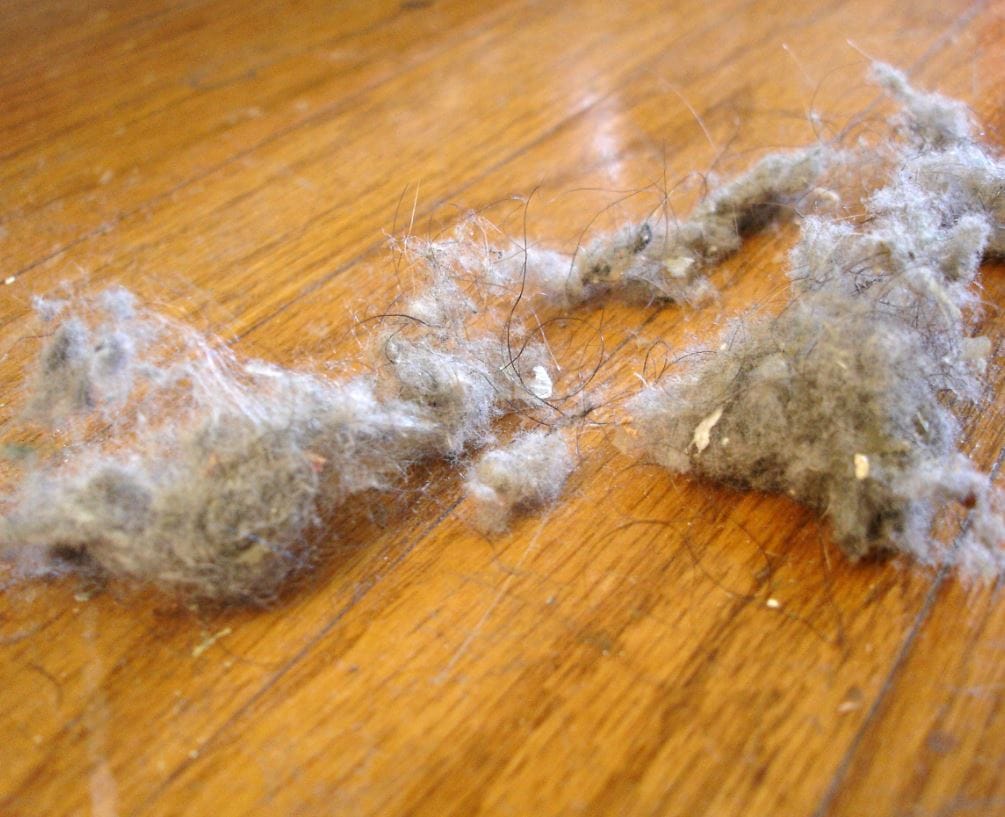
They lurk under beds, hide behind furniture, and roll across your floors like tiny, fuzzy ghosts. Dust bunnies are a universal sign of a lived-in home, but what are they, and more importantly, how can you get rid of them for good?
This isn’t just about aesthetics; it’s about your home’s air quality and health. This comprehensive guide will arm you with the strategies and tools you need to win the war against these dusty invaders.
What Exactly Are Dust Bunnies?
Before we tackle the “how,” let’s understand the “what.” A dust bunny isn’t just a ball of dirt. It’s a complex web of materials that have clumped together through static electricity.
The average dust bunny is a concoction of:
- Dead Skin Cells: The primary building block for humans and pets.
- Pet Dander: A major contributor for animal owners.
- Dust Mites and Their Droppings: A common allergen.
- Hair and Fur: From both people and pets.
- Fabric Fibers: From clothing, carpets, and upholstery.
- Outdoor Pollutants: Like pollen, soil, and insect waste tracked in from outside.
As Sarah James, a professional organizer and cleaning consultant, notes, “Dust bunnies are more than just an eyesore. They are a reservoir for allergens and can significantly impact the air quality in your home, especially for those with asthma or allergies.”
Your Arsenal: Tools for Effective Dust Bunny Removal
Having the right tools is half the battle. Here’s a breakdown of what you need:
| Tool | Best For | Pro Tip |
|---|---|---|
| Vacuum Cleaner with Attachments | Primary weapon. Floors, carpets, and hard-to-reach areas. | The crevice tool is your best friend for baseboards and under appliances. |
| Microfiber Cloths & Dusters | Surfaces & delicate items. Traps dust instead of just moving it around. | Dampen the cloth slightly for the best dust-grabbing power. |
| Long-Handled Duster/Mop | High & low areas. Ceiling corners, under low-clearance furniture. | Look for an extendable handle for maximum versatility. |
| Lint Roller | Upholstery & Lampshades. Quick spot-cleaning on fabric surfaces. | Keep one handy for a fast pre-guest clean-up. |
| Rubber Gloves | Stubborn, sticky bunnies. Picking up clumps from hard floors. | Slightly dampened gloves create static that grabs dust. |
The Battle Plan: A Step-by-Step Guide to Eradication
A haphazard approach will only scatter the dust. Follow this systematic plan for a truly clean home.
Step 1: The Top-Down Assault
Always start high and work your way down. Dust ceiling corners, light fixtures, fan blades, and shelves first. This dislodges dust that will eventually settle on the floor, which you’ll clean last.
Step 2: Clear and Conquer
Move furniture away from walls. You’d be amazed at the dust bunny metropolises that thrive behind your couch or dresser. This gives you full access to their favorite hiding spots.
Step 3: The Main Event – Vacuuming and Sweeping
- Carpets & Rugs: Use a vacuum with strong suction and a beater bar to pull embedded dust and fibers to the surface.
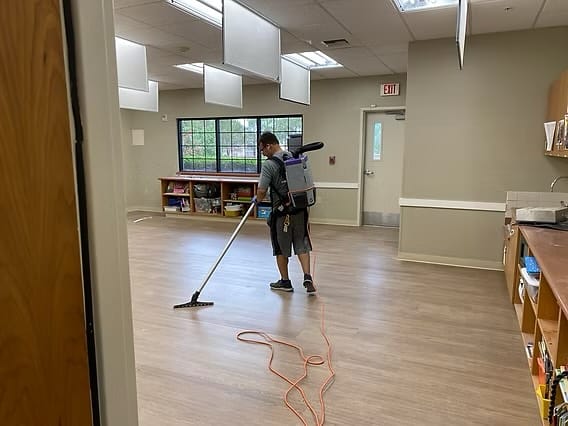
- Hard Floors: A vacuum is still the best option as it sucks up dust instead of kicking it into the air. If you sweep, use a microfiber dust mop designed to trap particles.
Step 4: Tackle the Hotspots
Don’t forget these common dust bunny nurseries:
- Under the Bed: Use that long-handled duster or a vacuum with an extension hose.
- Behind Electronics: TVs and computers are dust magnets. Unplug them and carefully use a dry microfiber cloth.
- On and Under Upholstery: Use the upholstery attachment on your vacuum and a lint roller for cushions.
Step 5: The Final Wipe-Down
Go over baseboards, windowsills, and other surfaces with a damp microfiber cloth to pick up any remaining dust.
Prevention is Key: How to Stop Dust Bunnies from Forming
The real secret to a dust-bunny-free life is prevention.
- Groom Pets Regularly: Brushing your pets outside significantly reduces the amount of fur in your home.
- Use Doormats: Place high-quality mats at every entrance to trap dirt and pollen before it comes inside.
- Wash Bedding Frequently: Bedding collects a huge amount of skin cells and dust mite debris. Wash sheets and pillowcases weekly in hot water.
- Change HVAC Filters: Your heating and cooling system filter is your first line of defense. Change it every 1-3 months, especially during high-use seasons.
- Declutter: Fewer knick-knacks and items on the floor mean fewer places for dust to accumulate.
- Consider an Air Purifier: A good HEPA air purifier can capture airborne dust particles before they have a chance to settle and form bunnies.
As James adds, “Consistency is everything. Incorporating ten minutes of ‘dust-bunny patrol’ into your weekly cleaning routine is far more effective than a massive, exhausting deep-clean once a season.”
Final Roll-Out
Dust bunnies are a fact of life, but they don’t have to rule your home. By understanding what they are, equipping yourself with the right tools, and implementing a consistent cleaning and prevention strategy, you can reclaim your space from these fuzzy tumbleweeds. So, grab your vacuum and your microfiber cloths—a cleaner, healthier home is within reach.