How To Disinfect Unfinished Wood?
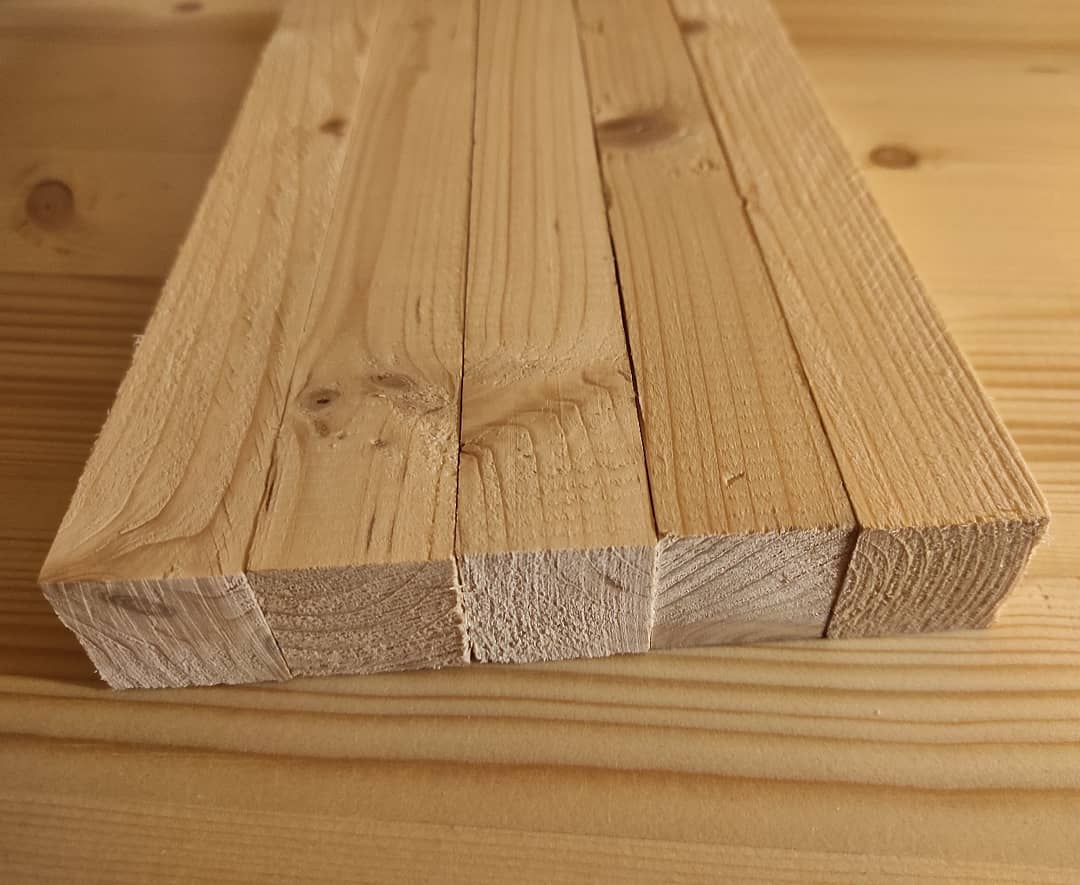
Unfinished wood is a beautiful, porous, and versatile material found in everything from rustic furniture and cutting boards to new construction and antique heirlooms. However, its very nature—a network of tiny open cells that absorb moisture—makes disinfecting it a unique challenge. Using the wrong cleaner can warp the wood, raise the grain, or leave behind harmful residues.
So, how do you effectively kill germs, viruses, and bacteria on unfinished wood without causing damage? This definitive guide walks you through the safest and most effective methods.
Why Disinfecting Unfinished Wood is Different
Unlike sealed wood with a protective layer of polyurethane or lacquer, unfinished wood is completely exposed. Dr. Eleanor Vance, a wood preservation specialist, explains:
“Think of unfinished wood like a sponge. It will readily absorb any liquid it comes into contact with. This means harsh chemicals like bleach or ammonia can be drawn deep into the wood fibers, compromising its structural integrity and making it difficult to apply a finish later. The key is to use targeted disinfectants that are effective yet have a high evaporation rate, minimizing prolonged moisture exposure.”
The goal is twofold:
- Efficacy: Eliminate a broad spectrum of pathogens.
- Preservation: Do not alter the wood’s color, texture, or ability to be finished later.
Pre-Disinfecting Step: The Crucial Clean
You cannot disinfect a dirty surface. Germs can hide under dirt and grime, shielding them from your disinfectant. Always start with a gentle clean.
- Dry Dust: Use a soft, lint-free cloth or a soft-bristled brush to remove loose dust and debris.
- Damp Wipe: Lightly dampen a cloth with distilled water and wring it out thoroughly until it is only slightly damp. Wipe the surface following the wood grain. Do not saturate the wood.
- Dry Immediately: Use a separate, dry, clean cloth to wipe the surface completely dry.
Now, the surface is ready for disinfection.
Recommended Methods for Disinfecting Unfinished Wood
Here are the safest and most effective methods, listed in order of recommendation.
Method 1: Diluted White Vinegar (Best for Everyday Disinfection)
White vinegar (acetic acid) is a natural disinfectant that is effective against many common bacteria and some viruses. It’s inexpensive, readily available, and safe for most woods when used correctly.

- Solution Ratio: Mix 1 part white vinegar with 1 part distilled water.
- Application: Lightly mist onto a soft cloth (do not spray directly on the wood) and wipe the surface. Allow it to air dry completely. The smell of vinegar will dissipate as it dries.
- Best For: Children’s wooden toys, kitchen utensils, and general household items.
Method 2: 70% Isopropyl Alcohol (The Gold Standard for Fast Action)
Isopropyl alcohol (70% concentration) is a powerful, fast-evaporating disinfectant that is highly effective against a broad spectrum of pathogens, including many viruses. Its rapid evaporation minimizes moisture absorption.
- Solution Ratio: Use 70% isopropyl alcohol straight from the bottle. (Note: 70% is more effective than 90% for disinfection, as it stays in contact with microbes longer).
- Application: Apply to a cloth and wipe the surface thoroughly. It will evaporate quickly, usually within 30-60 seconds.
- Best For: High-touch areas, wood tools, and items that cannot withstand prolonged moisture.
Method 3: Hydrogen Peroxide (For Stubborn Contaminants)
Hydrogen Peroxide (3% concentration) is a strong oxidizing agent that breaks down into water and oxygen, making it an environmentally friendly choice. It is effective against bacteria, viruses, and fungi.
- Solution Ratio: Use standard 3% hydrogen peroxide straight from the brown bottle.
- Application: Apply with a cloth, wipe the surface, and let it sit for at least 1 minute to disinfect before drying with a clean cloth. Test on a hidden area first, as it can have a slight bleaching effect on some dark woods.
- Best For: Wooden cutting boards, surfaces that have been in contact with raw meat, or where mold is a concern.
Methods to Absolutely Avoid
Using the wrong product can permanently ruin your unfinished wood project.
- Undiluted Bleach: Will bleach the wood, weaken the fibers, and leave toxic residues.
- Ammonia: Can cause discoloration and clouding of the wood.
- Commercial All-Purpose Cleaners: Often contain detergents and conditioners that will be absorbed into the wood, creating a sticky residue and preventing proper finishing later.
- Steam Cleaners: The intense heat and moisture will force water deep into the wood, causing warping and grain-raising.
Comparison of Disinfectant Methods
This table provides a quick-reference guide to help you choose the best method for your project.
| Method | Efficacy | Drying Time | Risk of Wood Damage | Best Use Case |
|---|---|---|---|---|
| Diluted White Vinegar | Good vs. bacteria; Fair vs. viruses | Moderate (5-10 mins) | Very Low | Everyday cleaning & light disinfection |
| 70% Isopropyl Alcohol | Excellent vs. bacteria & viruses | Very Fast (under 1 min) | Low | High-touch items, tools, quick disinfection |
| 3% Hydrogen Peroxide | Excellent vs. bacteria, viruses & mold | Fast (1-5 mins) | Low (test for bleaching) | Cutting boards, sanitizing after illness |
Post-Disinfecting and Final Tips
After disinfecting, your work isn’t quite done. Follow these final steps for the best results.
- Final Drying: Ensure the wood is completely air-dried before using or storing it. You can use a fan to circulate air for faster drying.
- The Test Spot Rule: Always test your chosen disinfectant on a small, hidden area of the wood first (e.g., the bottom or an inside corner). Check for any changes in color or texture after it dries.
- Consider the Next Step: If you plan to finish the wood with oil, wax, or sealant, ensure it is perfectly dry and free from any disinfectant residue. A light sanding with fine-grit sandpaper (220-grit) after disinfection can ensure a smooth surface for finishing.
By understanding the porous nature of unfinished wood and choosing your disinfectant wisely, you can effectively sanitize your wooden items while preserving their beauty and integrity for years to come.