How to Clean Weights: Essential Maintenance for a Hygienic and Long-Lasting Home Gym
Meta Description: Learn how to clean weights properly with our expert guide. Discover the best methods for cast iron, rubber-coated, and chrome dumbbells. Includes cleaning schedules, product comparisons, and rust prevention tips.
If you’ve invested in a home gym, you know that nothing kills the vibe faster than a set of sticky, smelly dumbbells or a barbell covered in orange rust streaks. With the rise of home fitness, there’s been a parallel increase in neglected equipment sitting in garages across the country .
Cleaning your weights isn’t just about vanity; it’s about performance, hygiene, and safety. Every curl and press leaves behind a layer of sweat, oil, and bacteria that can eat away at metal, deteriorate rubber coatings, and mess with your grip . In this guide, we’ll break down exactly how to clean weights based on their material, how to prevent rust, and how to establish a maintenance routine that keeps your gear in peak condition.
Why You Need to Clean Your Weights Regularly
Before we dive into the “how,” let’s look at the “why.” Regular maintenance separates the casuals from the committed .
- Hygiene: Weights are high-touch surfaces that collect bacteria, leading to illnesses like colds, flu, or even skin infections .
- Performance: Grime and oil buildup can make surfaces slippery, affecting your grip and safety during heavy lifts.
- Longevity: Sweat is corrosive. If left unchecked, it will rust metal and cause rubber to dry out and crack .
Cleaning Supplies You’ll Need
Gather these supplies before you start. Using the right tools prevents accidental damage to your equipment.
How to Clean Weights by Material Type
Different materials require different care. Here’s a detailed look at how to clean specific types of gym weights.
Cleaning Cast Iron and Bare Steel Weights
Cast iron is porous and prone to rust. Bare steel (like on some barbells) needs immediate care after sweating.
- Dry Wipe: Immediately after use, wipe the weight with a dry towel to remove sweat .
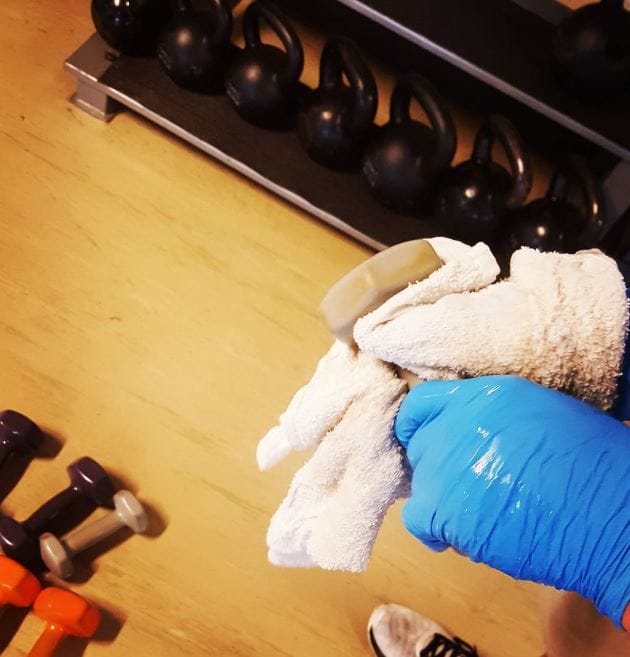
- Deep Clean: Mix warm water with a few drops of mild dish soap. Dip a cloth in the solution, wring it out well (do not soak the metal), and wipe down the surfaces .
- Scrub the Knurling: For barbells with knurling (the textured grip), use a nylon or brass wire brush to gently scrub away caked-on dirt .
- Dry Immediately: This is the most critical step. Dry the weights thoroughly with a microfiber towel, ensuring no moisture sits in the crevices .
- Oil (Optional): Apply a thin layer of mineral oil or 3-in-1 oil to a cloth and wipe the metal to create a protective barrier against rust .
Cleaning Rubber-Coated Weights
Rubber is durable but can degrade with the wrong chemicals.
- Prepare Solution: Mix a solution of mild dish soap and warm water, or use a 1:3 ratio of vinegar to water .
- Wipe Down: Dip a cloth in the solution and wring it out. Wipe the entire surface to remove sweat and grime.
- Avoid Bleach: Never use bleach or harsh chemicals, as they can dry out the rubber and cause it to crack over time .
- Dry: Use a dry microfiber towel to remove all moisture, preventing mold or mildew growth .
Cleaning Chrome and Painted Weights
Chrome weights are common in home gyms and are prone to spotting.
- Disinfect: Spray surfaces with isopropyl alcohol (70%) or a gym-safe disinfectant wipe. Alcohol dries quickly and prevents rust .
- Polish: Use a microfiber cloth to buff the surface, restoring the shine and removing fingerprints.
Cleaning Frequency: Daily, Weekly, and Monthly
Consistency is key. You don’t need to be obsessive, but you do need to be consistent . Here is a recommended schedule based on expert recommendations .
Rust Prevention and Storage Tips
Cleaning is only half the battle. How you store your weights dramatically impacts their lifespan.
- Elevate Weights: Never leave weights on a damp concrete floor. Use rubber mats, weight racks, or wooden pallets to keep them off the ground .
- Control Humidity: If your gym is in a garage or basement, invest in a dehumidifier. Moisture is the enemy of metal .
- Avoid Sunlight: Store rubber or neoprene-coated gear away from direct windows to prevent UV damage and cracking .
- Proper Racking: Store barbells vertically or horizontally on holders to prevent bending or warping .
Common Mistakes to Avoid
Even with good intentions, many people make errors that damage their equipment. Here’s what to avoid:
- Using Harsh Chemicals: Bleach and ammonia can corrode metal and degrade rubber .
- Soaking the Weights: Never immerse weights in water, especially screw-knob or adjustable weights. Liquid can seep into internal cavities and cause rust from the inside out .
- Forgetting the Drying Step: Moisture left on metal is an open invitation for rust. Always dry thoroughly .
- Neglecting the Undersides: Don’t just wipe the handles. The bottom surfaces tend to be overlooked but collect just as much bacteria .
Conclusion
Treat your gym gear with the same respect you treat your body. A clean, well-maintained set of weights doesn’t just look better; it performs better and lasts longer, saving you money in the long run .
By following these material-specific cleaning guides and sticking to a regular schedule, you ensure that when you’re ready to push for that extra rep, your equipment won’t let you down.
Disclaimer: Always test any cleaning solution on a small, inconspicuous area of your equipment first to ensure it does not cause discoloration or damage