How to Clean Rusty Toilet Stains Effectively
Understanding Why Rust Appears in Your Toilet
Before diving into cleaning methods, it helps to understand what causes those reddish-brown stains. Rust forms through the oxidation of iron, which can enter your toilet in two primary ways :
- From the water supply: If your home has well water or municipal water with high iron content, you’re more likely to see rust stains .
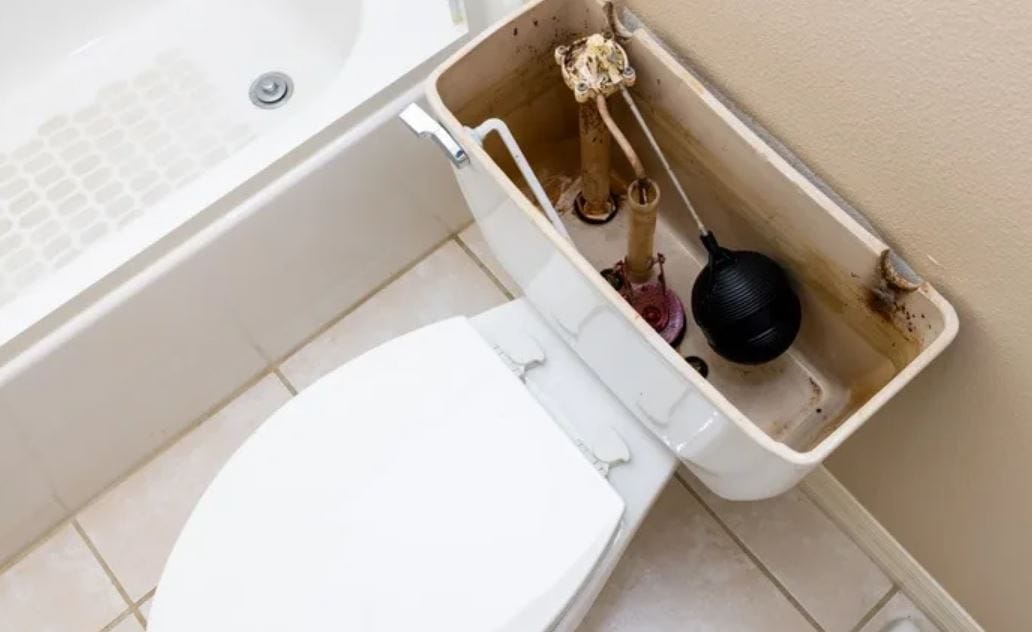
- From metal components: Old metal pipes or a leaking toilet tank can introduce iron particles into the bowl .
If rust stains are a recurring problem despite regular cleaning, the issue might be deeper than surface dirt. Consider installing a water softener or whole-house filtration system to reduce iron and other minerals in your water supply .
Safety First: Essential Precautions
Cleaning rust often involves acids and other chemicals, so proper preparation is key. Before you start:
- Wear protective gear: Always use rubber gloves and, if possible, safety eyewear to prevent splashes from reaching your skin or eyes .
- Ensure ventilation: Open a bathroom window or turn on the exhaust fan to avoid inhaling fumes, especially when using commercial-grade cleaners .
- Never mix products: Combining different cleaners—especially acidic solutions with bleach—can create toxic gases that are dangerous to your health .
- Test in a small area: If you’re trying a new product, apply it to a hidden spot first to check for any adverse reaction with your toilet’s porcelain .
DIY Methods Using Household Ingredients
For those who prefer natural, eco-friendly, and budget-conscious solutions, common pantry items can be surprisingly effective against rust. These methods are best for light to moderate stains.
1. Baking Soda and Vinegar
This classic combination creates a fizzing action that helps loosen mineral deposits and rust .
- How to use: Pour about one cup of baking soda into the toilet bowl, followed by one cup of white vinegar. Let the mixture sit for 10 to 45 minutes (longer for tougher stains). Scrub thoroughly with a toilet brush and flush .
- Best for: Mineral buildup and light rust stains.
2. Hydrogen Peroxide
Hydrogen peroxide is a mild oxidizer that breaks down rust without harsh fumes .
- How to use: Pour half a cup of hydrogen peroxide into the bowl and let it sit for 20-30 minutes. Scrub and flush .
- Best for: Rust stains and general disinfection.
3. Lemon Juice and Borax Paste
This method combines the acidity of lemon juice with the gentle abrasiveness of borax .
- How to use: First, remove standing water from the bowl using a disposable cup. Mix equal parts lemon juice and borax to form a paste. Apply the paste directly to the rust stains and let it sit for 2-4 hours (or even overnight). Scrub with a wet brush and flush .
- Best for: Stubborn, set-in rust stains.
4. Citric Acid
A popular natural rust remover, citric acid is effective and gentle on enamel .
- How to use: Dissolve 2-3 packets (about 60-90 grams) of citric acid in warm water and pour it into the toilet bowl. Leave it for 2-3 hours or overnight. Scrub and flush .
- Best for: Regular maintenance and moderate rust.
5. The Unexpected Cleaner: Coca-Cola
The phosphoric acid in cola gives it mild rust-fighting properties .
- How to use: Pour a can of Coca-Cola around the rim of the bowl so it coats the stains. Let it sit for several hours or overnight, then scrub and flush .
- Best for: Light rust stains in a pinch.
Commercial and Specialized Cleaners
For heavy rust deposits or when DIY methods fall short, commercial products offer more potent formulations. These typically contain stronger acids designed to dissolve rust quickly.
1. Professional Acid-Based Cleaners
Products containing phosphoric acid or hydrochloric acid are highly effective at dissolving iron oxides .
- How to use: Apply the product according to the label instructions, usually letting it sit for 15-30 minutes before scrubbing and flushing .
- Important: Use with extreme caution. These are powerful chemicals that require gloves, ventilation, and careful handling.
2. Chlorine-Based Cleaners
Bleach-based products can whiten and remove some stains, but they may not be as effective on heavy rust as acid-based alternatives .
- How to use: Apply the gel or liquid under the rim and along the bowl walls. Let it sit for 30-40 minutes, then scrub .
- Note: Frequent use can potentially damage the porcelain glaze over time .
3. Lysol Lime & Rust Remover
This is a popular over-the-counter option specifically formulated for rust and hard water stains. User reviews indicate it performs well on tough, built-up deposits .
- How to use: Empty the bowl of standing water if possible, apply the product, and let it sit for about 30 minutes before scrubbing .
- Effectiveness: Multiple reviewers mention it removed years of buildup that other products couldn’t .
4. Bar Keepers Friend Toilet Bowl Cleaner
Known for its thick, clinging formula, this cleaner is designed to stick to bowl surfaces, including under the rim, for prolonged cleaning action .
- How to use: Squirt the cleaner under the rim and around the bowl, let it sit for 5-15 minutes (or longer for tough stains), scrub, and flush .
- User feedback: Effective on hard water and rust stains with minimal scrubbing .
Mechanical Removal: The Pumice Stone
For extremely stubborn rust rings that resist chemical treatments, a pumice stone offers a physical solution . Pumice is a porous, abrasive stone that gently grinds away rust deposits without scratching the harder porcelain surface—when used correctly .
Step-by-step guide:
- Wet both the pumice stone and the stained area of the toilet bowl .
- Gently rub the stone against the rust stain using a circular motion with light pressure.
- Rinse frequently to check your progress and remove loosened particles.
- Continue until the stain is gone, then give the bowl a final clean and flush .
Crucial tip: Never use a dry pumice stone on a dry bowl, as this will scratch the porcelain. Keep both the stone and the surface wet at all times .
Method Comparison Table
To help you choose the right approach, here is a comparison of the most common rust removal methods:
Step-by-Step: The Most Effective Process for Tough Rust
For toilets with significant rust buildup, a combination of techniques often works best. Here is a streamlined, expert-approved process:
- Remove standing water: Use a disposable cup or an old towel to bail as much water as possible from the toilet bowl. Cleaning products work best when not diluted .
- Apply your chosen cleaner: Based on the severity of your stain, select a method from the table above. For heavy rust, a commercial acid-based gel is often the most efficient choice .
- Let it dwell: Allow the product to sit for the recommended time. For DIY pastes, this could be several hours or overnight. For chemical cleaners, follow the label instructions (usually 15-30 minutes) .
- Scrub thoroughly: Use a quality toilet brush to agitate the loosened deposits. For spots the brush can’t reach, an old toothbrush can be helpful .
- Inspect and repeat if necessary: Flush the toilet and check the results. Stubborn areas may require a second application or the careful use of a wet pumice stone .
- Flush and admire: Give the bowl a final rinse and enjoy your rust-free, sparkling toilet.
Preventing Future Rust Stains
Once you’ve put in the effort to remove rust, you’ll want to keep it from coming back. Here are the best prevention strategies:
Regular Cleaning
The simplest way to prevent rust buildup is to clean your toilet weekly. A quick scrub with a mild cleaner can remove iron particles before they have a chance to oxidize and stain the porcelain .
Address Leaks
A leaking toilet tank can cause a constant trickle of iron-rich water into the bowl, leading to rapid rust formation. Check your tank for leaks and repair or replace faulty parts promptly .
Install a Water Softener or Filter
If rust stains are a chronic issue in your home, the most effective long-term solution is to treat the water at its source. A whole-house water softener or an iron filtration system will remove the minerals responsible for staining, protecting not just your toilet but all your plumbing fixtures and appliances .
Conclusion
A rusty toilet bowl is a common but solvable problem. Whether you prefer using natural ingredients like baking soda and lemon juice or need the heavy-duty power of a commercial rust remover, there’s a solution that fits your needs and cleaning style.
Remember to always prioritize safety by wearing gloves and ensuring good ventilation. For the best results, match the method to the severity of your stain, and don’t be afraid to combine approaches for the toughest jobs. With a little effort and the right technique, you can restore your toilet to its original, gleaming white condition and enjoy a cleaner, more inviting bathroom.