How to Clean Mexican Saltillo Tile and Restore Its Rustic Charm
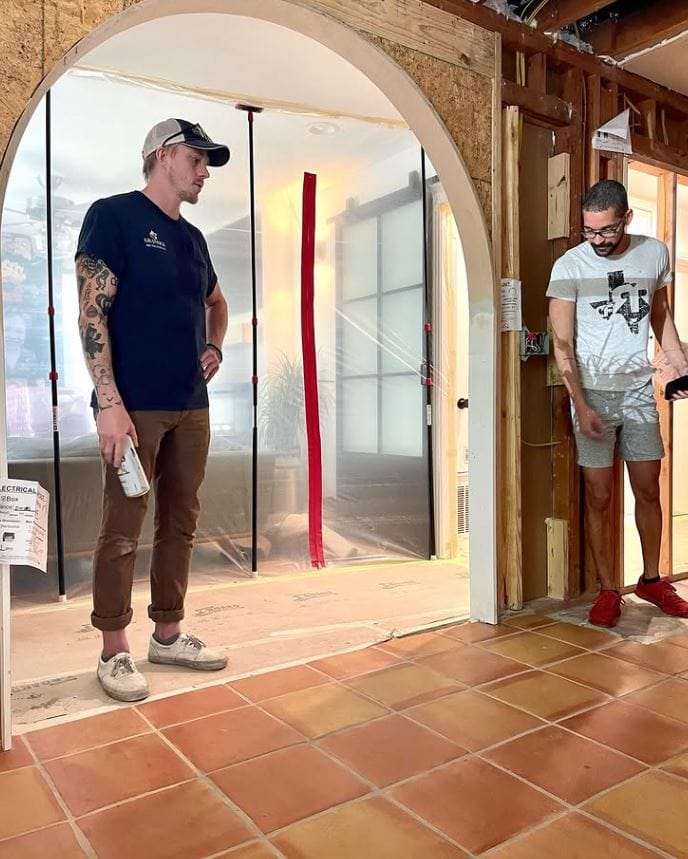
Saltillo tile brings the warmth of the Mexican sun into your home. With its handcrafted texture, earthy terracotta tones, and old-world appeal, it’s a flooring choice that tells a story . However, this natural clay tile, originating from Saltillo, Coahuila, is notoriously porous . If you clean it the same way you clean porcelain or ceramic, you risk permanent damage.
Whether your floors are newly installed or decades old, this guide will walk you through how to clean Mexican Saltillo tile safely. We’ll cover the difference between sealed and unsealed tile care, the best products to use, and how to tackle tough stains without wrecking the finish.
Is Your Tile Sealed or Unsealed? (The Water Test)
Before you pick up a mop, you need to determine the current state of your tile. Cleaning unsealed Saltillo requires a completely different approach than cleaning sealed Saltillo.
If your tile has a glossy sheen, it is likely sealed . If it looks dry, chalky, or feels rough to the touch, it may be unsealed or the sealer may have worn off.
The “Water Test”: Sprinkle a few drops of water on the tile.
- If it beads up: Your sealer is intact. Proceed with the “Sealed Tile” cleaning method.
- If it soaks in (darkens the tile): Your sealer is worn or non-existent. You are dealing with porous, unsealed clay .
The Golden Rule: What NOT to Use
Saltillo’s worst enemy is harsh chemicals and excess moisture. Many homeowners reach for vinegar as a natural cleaner, but this is a point of contention. While some sources suggest a diluted vinegar mix for general maintenance , most tile specialists and restoration experts strongly advise against it .
Step-by-Step Cleaning Guide
1. The Daily/Weekly Routine: Dust Removal
The best way to keep Saltillo beautiful is to keep grit off it. Grit acts like sandpaper underfoot, dulling the finish over time.
- Sweep daily with a soft-bristle broom .
- Vacuum weekly using a brush attachment to get dirt out of the wide grout lines (which are typically 1/2 to 3/4 inches wide) .
- Pro Tip: A robot vacuum programmed to run daily is a game-changer for homes with Saltillo, as it handles the constant dust accumulation typical in Southwestern homes .
2. Mopping (Sealed vs. Unsealed)
Once you’ve determined your seal status, follow the appropriate mopping guide below.
For Sealed Tile
- Cleaner: pH-neutral cleaner specifically designed for tile and stone .
- Solution: Dilute in warm water as directed.
- Method: Mop with a well-wrung sponge or microfiber mop. The mop should be damp, not soaking wet .
- Drying: Dry with a clean towel immediately to prevent water spots .
For Unsealed Tile
- Cleaner: Mild, pH-neutral soap or a very mild detergent (1-2 drops of dish soap per gallon) .
- Solution: Mix with hot water.
- Method: Work in small sections. Pour solution, let sit for 10-15 minutes, scrub with a soft brush, and rinse .
- Drying: Use a shop vac to suck up dirty water or towels to dry thoroughly. Do not let unsealed tile air dry, as it will absorb the dirty water .
3. Deep Cleaning Grout Lines
Saltillo is often installed with wide grout lines that trap dirt.
- Apply a pH-neutral grout cleaner or a baking soda paste .
- Scrub gently with a brass wire brush. Brass is softer than steel and won’t scratch the tile .
- Rinse thoroughly and dry.
Stain Removal Guide
Even with the best care, spills happen. Here is how to treat specific stains on Saltillo tile:
The Importance of Sealing
Because Saltillo is like a sponge, sealing is not optional—it is essential for longevity .
- Frequency: Every 2 to 4 years for indoor tiles . Outdoor tiles in sun and rain may need sealing every 1 to 2 years .
- How to check: Repeat the water test. If water soaks in and darkens the tile, it’s time to reseal.
Comparison of Sealer Types
Choosing the right sealer depends on the look you want and the location of the tile (indoor vs. outdoor).
Seasonal Maintenance for Outdoor Saltillo
If you have a Saltillo patio, it faces a beating from the elements.
- Spring: Inspect for winter damage and efflorescence. Clean and reseal .
- Summer: Sweep regularly. Avoid acid cleaners.
- Fall: Deep clean and apply a fresh coat of topical or hybrid sealer to protect against winter rain .
- Winter: In freezing climates, cover the patio if possible. Never use salt deicers—they will destroy the tile .
Restoration: When Cleaning Isn’t Enough
If your tile looks dull, chalky, or the sealer is flaking off, a simple mop won’t fix it. You may need to strip and reseal . This involves:
- Applying a chemical stripper (water-based for acrylic, MEK-based for urethane).
- Aggressive scrubbing with a floor buffer to remove old layers.
- Letting the tile dry completely.
- Applying fresh coats of sealer .
Note: Stripping is messy and chemically intense. If you have a large area, hiring a professional is often safer .
Conclusion
Learning how to clean Mexican Saltillo tile is about understanding its soul—it’s a living, breathing clay product. By sweeping frequently, using only pH-neutral cleaners, avoiding excess water, and maintaining a fresh coat of sealer, your Saltillo floors will develop a beautiful patina and last for decades.
Quick Checklist for Success:
- Sweep often.
- Mop with a damp (not wet) mop.
- Use pH-neutral cleaner only.
- Blot spills immediately.
- Reseal every 2-3 years.
Do you have a Saltillo cleaning tip or a restoration story? Share it in the comments below