How to Clean Galvanized Metal: An Expert’s Guide to Restoring Shine

Galvanized metal is a workhorse of durability. Through a process of coating steel or iron in a protective layer of zinc, it gains exceptional resistance to rust and corrosion. However, this doesn’t make it invincible. Over time, dirt, grime, white rust, and stains can mar its appearance and, if left unchecked, compromise its protective coating.
Cleaning galvanized metal isn’t complicated, but it does require a gentle touch to preserve the zinc layer. This expert guide will walk you through the safest and most effective methods to restore your galvanized items to their former glory.
Understanding Your Galvanized Metal: The “Why” Behind the “How”
Before you start scrubbing, it’s crucial to understand what you’re cleaning. The zinc coating on galvanized metal is sacrificial. It protects the underlying steel by reacting with the elements instead of the steel. This reaction can form a patina or, in more severe cases, “white rust.”
Expert Insight: “The biggest mistake people make is treating galvanized metal like regular steel. Abrasive tools and harsh chemicals will strip away the zinc layer, leaving the metal vulnerable to red rust. The goal is always to clean without damaging this protective shield.” — John Miller, Metal Fabrication Specialist
What You’ll Need: Your Galvanized Metal Cleaning Toolkit
Gather these gentle, non-abrasive supplies before you begin:
- Mild Dish Soap: The go-to cleaner for general grime.
- White Vinegar or Lemon Juice: A mild acid for tackling water spots and minor white rust.
- Soft-bristled Brushes: Nylon brushes or sponges are ideal.
- Microfiber Cloths: For drying and polishing without scratching.
- Garden Hose with Spray Nozzle: For rinsing.
- Bucket of Warm Water.
Avoid at All Costs: Steel wool, wire brushes, abrasive scrub pads, and harsh chemical cleaners (like bleach or ammonia-based products).
Step-by-Step: How to Clean Galvanized Metal Surfaces
Follow this simple, effective process for cleaning items like buckets, planters, roofing, and outdoor decor.
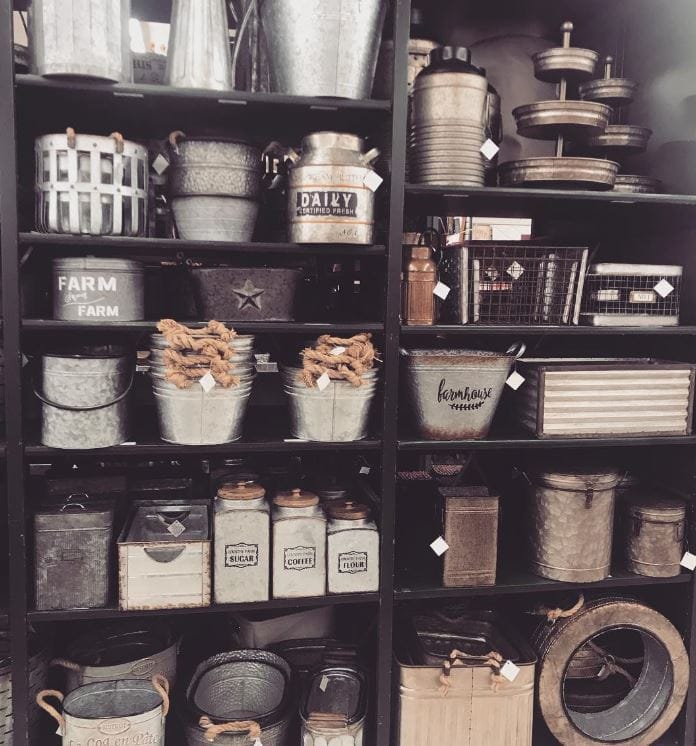
Step 1: Dry Dust and Debris Removal
Start by using a dry, soft cloth or a soft brush to remove any loose dirt, dust, or cobwebs. This prevents you from grinding dirt into the surface during the wet wash.
Step 2: Prepare Your Cleaning Solution
Fill a bucket with one gallon of warm water and add 2-3 tablespoons of a mild, non-phosphate dish soap. Avoid soaps with degreasers or moisturizers, as they can leave a film.
Step 3: Gentle Scrubbing and Application
Dip your soft-bristled brush or sponge into the soapy solution and gently scrub the surface in a circular motion. For stubborn spots, apply a bit more elbow grease, but never enough to scratch the surface.
Step 4: Thorough Rinsing is Key
Use a garden hose to thoroughly rinse off all the soapy residue. Soap left on the surface can leave streaks or a dull film. Ensure all suds are gone.
Step 5: Dry Completely
Use clean, dry microfiber cloths to wipe the metal dry. This prevents water spots and stops the formation of new water stains or white rust.
Tackling Tough Stains: White Rust and Water Spots
For more persistent problems like white rust (white, powdery deposits), you need a mild acidic solution.
Safety First: Wear gloves and eye protection.
- Create a 50/50 Solution: Mix equal parts white vinegar or lemon juice with water.
- Apply and Soak: Apply the solution to the affected area with a cloth or spray bottle. Let it sit for 5-10 minutes. The mild acid will dissolve the mineral deposits.
- Scrub Gently: Use a soft brush to gently scrub the area.
- Rinse and Dry: Rinse thoroughly with clean water and dry immediately with a microfiber cloth.
Cleaning Method Comparison Table
Use this table to quickly choose the right method for your cleaning challenge.
| Cleaning Challenge | Recommended Method | Tools Needed | Do NOT Use |
|---|---|---|---|
| General Dirt & Grime | Soapy Water Wash | Mild soap, soft brush, water | Abrasive pads, harsh chemicals |
| Water Spots & Stains | Mild Acid Solution | White vinegar, water, cloth | Steel wool, concentrated acid |
| Minor White Rust | Mild Acid Solution | White vinegar, soft brush, water | Wire brushes, power washers |
| Heavy Grease/Oil | Degreasing Soap | Ammonia-free degreaser, hot water | Solvents like acetone or paint thinner |
The Power Washer Debate: Can You Use One?
This is a common question with a nuanced answer.
Expert Advice: “A power washer can be used on galvanized metal, but only with extreme caution. Use the widest fan tip and the lowest possible pressure setting (under 1500 PSI). Hold the nozzle at least 2-3 feet away from the surface. Direct, high-pressure streams can easily gouge and remove the zinc coating, causing irreversible damage.” — John Miller
For most homeowners, the gentle hand-wash method is safer and equally effective.
Post-Cleaning Protection and Maintenance
Once clean, you can help protect your galvanized metal.
- Apply a Protective Wax: A thin coat of automotive or carnuba-based paste wax can provide a barrier against moisture and pollutants.
- Regular Rinses: Periodically rinsing dust and pollen off with a garden hose can prevent buildup.
- Immediate Drying: If it gets wet in the rain, dry it off to prevent water spots.
By following this expert advice, you can effectively clean your galvanized metal buckets, furniture, gutters, and fixtures without damaging the protective zinc coating, ensuring they remain functional and beautiful for years to come.