How to Clean a Fireplace Screen: A Step-by-Step Guide for a Spotless Hearth
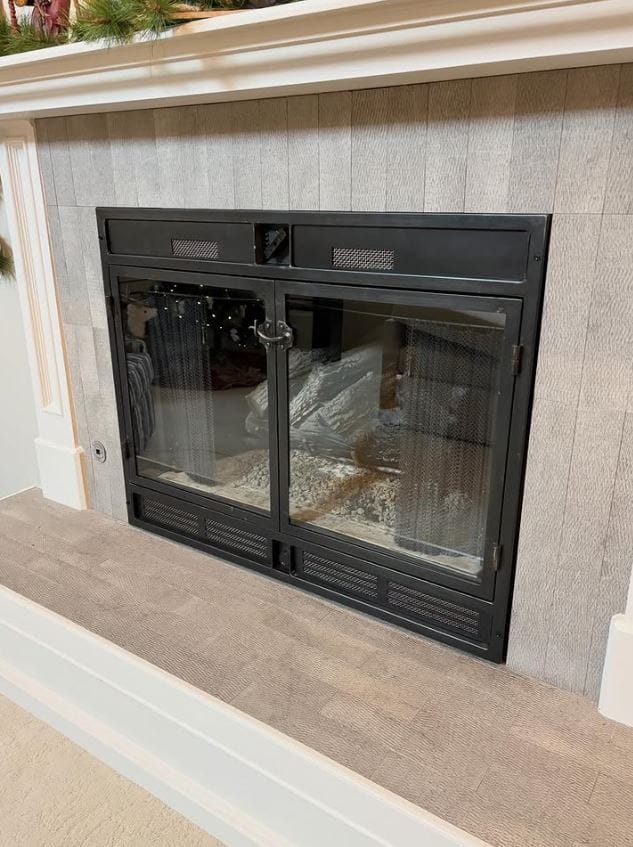
A clean fireplace screen not only enhances the beauty of your hearth but also ensures better visibility of the flames and improves safety by removing flammable soot and creosote buildup. Regular cleaning can extend the life of your screen, whether it’s made of mesh, glass, or wrought iron. This comprehensive, SEO-optimized guide will walk you through the best methods to clean your fireplace screen efficiently and safely, helping you maintain a stunning focal point in your home.
Why Regular Fireplace Screen Cleaning is Essential
Before diving into the cleaning process, it’s important to understand why this task matters. A dirty screen:
- Obscures the view of your fire, diminishing ambiance.
- Can corrode or weaken over time if soot and acids are left to build up.
- Poses a safety risk if highly flammable creosote accumulates.
- Reduces indoor air quality by allowing dust and particles to circulate.
For best results, plan to clean your mesh or wrought iron screen at least twice per burning season, and clean glass screens after every few uses to prevent stubborn, baked-on stains.
Identifying Your Fireplace Screen Type
The cleaning method varies significantly depending on your screen’s material. Use this table to identify and choose the correct approach.
| Screen Type | Common Characteristics | Primary Cleaning Challenge |
|---|---|---|
| Mesh (Wrought Iron/Steel) | Ornate, black, woven metal pattern. | Soot in intricate designs; potential for rust. |
| Tempered Glass | Large, single or multiple glass panels in a frame. | Hard, baked-on soot and white haze (creosote). |
| Brass or Copper | Metallic, decorative, often with a finish. | Tarnish, fingerprints, and soot streaks. |
| Spark Guard (Basic Mesh) | Simple, functional, often lighter weight. | General soot and ash accumulation. |
Step-by-Step Cleaning Instructions
What You’ll Need:
- Drop cloths or old newspapers
- Vacuum with brush attachment
- Mild dish soap
- Ammonia or vinegar (for glass)
- Baking soda
- Soft cloths, microfiber towels, or sponges
- Soft-bristled brush (like an old toothbrush)
- Rubber gloves
- Bucket of warm water
- For heavy soot on mesh: Commercial degreaser or oven cleaner (use with caution and ventilation).
Method 1: Cleaning Mesh & Wrought Iron Screens
Step 1: Preparation is Key
Take the screen outside, if possible. If cleaning indoors, lay down ample drop cloths or newspapers to protect your floor. Always ensure the fireplace and screen are completely cold to the touch.
Step 2: Dry Removal
Use your vacuum’s brush attachment to gently remove loose ash, dust, and soot from both sides of the screen. This prevents creating muddy paste when you apply water.
Step 3: Create a Cleaning Solution
In a bucket, mix warm water with a few drops of mild dish soap. For heavily soiled screens, add 1-2 tablespoons of baking soda for extra grit and deodorizing power.
Step 4: Scrub Gently
Dip a soft cloth or sponge into the solution and wring it out well. Wipe the screen thoroughly. Use a soft-bristled brush (an old toothbrush is perfect) to get into ornate details and mesh weaves. Work in sections.
Step 5: Rinse and Dry
Wipe the screen with a clean, damp cloth to remove soap residue. Immediately dry the screen completely with a microfiber towel to prevent rust spots. Allow it to air dry in the sun or a warm room before placing it back.
Method 2: Cleaning Glass Fireplace Screens & Doors
Glass requires a different approach to avoid scratches and achieve a streak-free shine.
Step 1: Vacuum Loose Debris
Gently vacuum the glass surface to remove any dry, loose particles.
Step 2: Use a Proven Glass Cleaning Solution
Commercial fireplace glass cleaners are effective, but a homemade solution works wonders:
- Option A (Vinegar-Based): Mix 1 part white vinegar with 1 part water.
- Option B (Ammonia-Based for tough stains): Mix 1 part household ammonia with 1 part water. ⚠️ Warning: Use in a well-ventilated area, never mix with bleach, and wear gloves.
Step 3: Apply and Soak
Spray or apply the solution with a cloth to the cool, dry glass. For thick creosote haze, let the solution sit for 2-3 minutes to soften the deposits.
Step 4: Wipe Clean
Using a non-abrasive cloth or paper towel, wipe the glass. For stubborn spots, sprinkle a small amount of baking soda on a damp sponge and gently scrub in a circular motion. The mild abrasive will lift the stain without scratching.
Step 5: Final Polish
Buff the glass to a sparkling finish with a clean, dry microfiber cloth. Ensure no moisture remains in the frame’s edges.
Comparison of Cleaning Products & Methods
Choosing the right cleaner can save time and effort. This table compares popular options.
| Cleaning Agent | Best For | Pros | Cons | Safety & Tips |
|---|---|---|---|---|
| Dish Soap & Water | Light soot on mesh; general maintenance. | Cheap, non-toxic, readily available. | May struggle with baked-on grime. | Safe for all materials; always dry thoroughly. |
| Vinegar Solution | Glass haze and light mineral deposits. | Natural, deodorizing, streak-free shine. | Strong odor; may not cut heavy creosote. | Ensure good ventilation. |
| Baking Soda Paste | Stubborn spots on glass or textured metal. | Mild abrasive, excellent for scrubbing. | Can be messy; requires rinsing. | Test on a small area first. Do not use on polished brass. |
| Commercial Fireplace Glass Cleaner | Heavy creosote buildup on glass. | Formulated for the job; highly effective. | More expensive; chemical odor. | Follow label instructions precisely. Wear gloves. |
| Ammonia Solution | Extreme, baked-on glass deposits. | Powerful degreaser; cuts through tough haze. | Harsh fumes; dangerous if mixed improperly. | Use outdoors or with extreme ventilation. Never mix with bleach. |
Pro Tips & Maintenance Advice
- Preventive Measure: After cleaning a mesh screen, apply a thin coat of automotive paste wax (once fully dry). This creates a barrier, making the next cleanup much easier.
- Rust Alert: If you find rust spots on a wrought iron screen, sand them lightly with fine steel wool, wipe clean, and apply a high-temperature rust-inhibitive paint.
- Regularity is Easier: Don’t let soot build up for an entire season. Quick cleanings are faster and prevent damage.
- Frame Care: When cleaning glass screens, pay attention to the metal frame. Clean it according to its material (using the mesh method for iron/steel, or a polish-specific product for brass).
Frequently Asked Questions (FAQ)
Q: Can I put my fireplace screen in the dishwasher?
A: It is not recommended. Harsh detergents and high heat can damage finishes, loosen mesh welds, and cause rust.
Q: How do I clean a screen with gold or brass accents?
A: Avoid abrasives. Use a dedicated metal polish and a soft cloth, cleaning only the decorative accents. Protect the surrounding areas from the polish.
Q: Why is my glass screen still hazy after cleaning?
A: This is likely creosote, a byproduct of burning wood. It bakes onto the glass. An ammonia-based solution or a dedicated commercial creosote remover, combined with light abrasive scrubbing (baking soda), is needed.
Q: How often should I clean my fireplace screen?
A: For frequent use, clean mesh screens monthly and glass panels every 1-2 weeks during the burning season. For occasional use, a deep clean twice a season is sufficient.
Conclusion
Cleaning your fireplace screen is a straightforward but vital task for any homeowner. By identifying your screen type, using the appropriate materials from our comparison tables, and following the step-by-step methods, you can restore the beauty and safety of your hearth efficiently. A clean screen not only provides a crystal-clear view of your cozy fire but also protects your investment for years to come. Tackle this simple project today and enjoy the warm, inviting glow of a perfectly maintained fireplace.