How to Clean a Corduroy Couch: An Expert’s Guide to Preserving the Ribbed Fabric
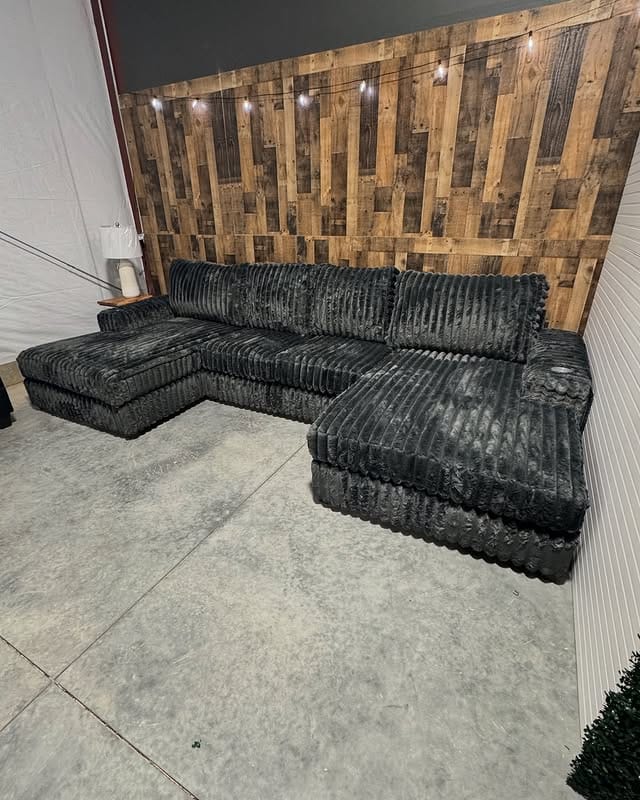
Corduroy is a timeless fabric, beloved for its softness, durability, and unique textured appeal. However, that distinctive “cord” or “wale” can be a magnet for dust, crumbs, and stains. Cleaning a corduroy couch requires a specific approach to avoid crushing the ribs or causing water marks.
Fear not! With this expert guide, you’ll learn how to properly maintain, spot-clean, and deep-clean your corduroy sofa, keeping it looking plush and inviting for years to come.
Understanding Your Corduroy Couch: Fabric Fundamentals
Before you grab any cleaner, the first and most crucial step is to understand what you’re working with. Corduroy is a cut-pile fabric, meaning its ribs are created by thousands of tiny fibers standing on end. Damaging these fibers can permanently alter the look and feel of the fabric.
Expert Quote: “The biggest mistake people make is treating corduroy like denim or canvas,” says Sarah Jameson, a textile restoration specialist. “It’s much more delicate. Aggressive scrubbing, harsh chemicals, and excessive moisture are the primary enemies of a healthy corduroy couch. You must always work with the nap, not against it.”
Locate the Manufacturer’s Care Label
Your single most important source of truth is the care tag, usually found under the cushions or on the underside of the couch. It will provide specific cleaning codes that dictate the safest method.
- W: Clean with water-based solutions only.
- S: Clean with solvent-based cleaners only (no water).
- WS: Can use either water-based or solvent-based cleaners.
- X: Clean only by vacuuming or professional cleaning. Do not use water or solvents.
Your Essential Corduroy Cleaning Toolkit
Gathering the right tools before you start is half the battle. You likely have most of these at home already.
- Vacuum Cleaner: With an upholstery brush attachment.
- Soft-Bristled Brush: A suede brush or even a clean, dry toothbrush is perfect.
- Microfiber Cloths: For blotting and drying; they are lint-free.
- Mild Liquid Dish Soap or Castile Soap: For water-safe fabrics.
- White Vinegar: A natural deodorizer and stain-lifter.
- Distilled Water: To prevent mineral deposits.
- Solvent-Based Cleaner: For codes “S” or “WS” (e.g., dry cleaning fluid).

The Step-by-Step Guide to Cleaning Your Corduroy Couch
Follow this structured process for the best and safest results.
Step 1: Regular Maintenance & Vacuuming
This is your first line of defense. Weekly maintenance prevents dirt from becoming ingrained.
- Remove Cushions: Take all cushions off.
- Vacuum Thoroughly: Using the brush attachment, vacuum the entire couch—frames, arms, and all sides of the cushions. Crucially, always vacuum in the direction of the nap (the direction where the fabric feels smoothest) to lift out debris from between the cords.
- Brush the Nap: For flattened areas or to refresh the texture, gently brush the fabric with your soft-bristled brush in the direction of the nap.
Step 2: Tackling Spills and Stains (Spot Cleaning)
Act quickly! The faster you address a spill, the less chance it has to set.
- Blot, Don’t Rub: Immediately use a clean, dry microfiber cloth to blot up as much of the liquid as possible. Rubbing will grind the stain deeper and damage the pile.
- Test Your Cleaner: Always apply your cleaning solution to a hidden area first (like the back or underside) to check for colorfastness.
- Apply Solution: For water-safe (W, WS) couches, mix a small amount of dish soap with distilled water to create a weak sudsy solution. Dampen a cloth with the solution and gently blot the stain from the outside in.
- Rinse: Dampen a second cloth with clean, distilled water and blot the area to rinse out the soap.
- Dry: Use a dry microfiber cloth to blot up all moisture. Allow to air dry completely, and then brush the nap gently to restore the texture.
Step 3: The Gentle Deep Clean
If the entire couch needs a refresh, this method is safe for most water-safe corduroy.
- Vacuum: Complete Step 1 thoroughly.
- Prepare Solution: Mix 1 cup of distilled water with 1 tablespoon of mild dish soap and 1 tablespoon of white vinegar.
- Clean Section by Section: Dampen a soft-bristled brush in the solution and gently work it with the nap on a small, inconspicuous section. Immediately wipe with a damp microfiber cloth to pick up residue.
- Dry Thoroughly: Ensure the couch dries completely before use. You can use a fan to speed up the process. Dampness can lead to mildew.
Cleaning Methods Comparison Table
This table provides a quick, at-a-glance guide to choosing your cleaning approach.
| Method | Best For | Key Tool | Pro Tip |
|---|---|---|---|
| Vacuuming & Brushing | Weekly maintenance, dust, crumbs, refreshing the nap. | Upholstery Brush Attachment | Always go with the grain of the cords to avoid damage. |
| Soap & Water Solution | General grime, water-soluble stains (juice, wine, mud). | Mild Dish Soap, Microfiber Cloths | Use distilled water and never oversaturate the fabric. |
| Vinegar Solution | Odors, sticky residues, or as a natural cleaning booster. | White Vinegar | Always dilute and rinse well to prevent a lingering smell. |
| Solvent Cleaner | Greasy or oily stains on fabrics with an S or WS code. | Commercial Dry-Cleaning Fluid | Use in a well-ventilated area and follow product instructions exactly. |
What to Avoid: The Corduroy “Don’ts” Table
Knowing what not to do is just as important as knowing the right steps.
| What to Avoid | Why It’s Harmful |
|---|---|
| Using a Steam Cleaner | High heat and excessive moisture can shrink the fabric, dissolve adhesives, and cause permanent water marks. |
| Harsh Store-Bought Cleaners | Bleach, ammonia, or strong degreasers can strip the dye and weaken the corduroy fibers. |
| Vigorous Scrubbing | This will crush the pile, create a permanent “bald” spot, and fray the delicate fibers. |
| Soaking the Fabric | Corduroy takes a long time to dry, leading to a high risk of mildew and mold growth inside the cushions. |
| Using a Stiff-Bristled Brush | Hard bristles will break the corduroy fibers and ruin the soft texture of the nap. |
When to Call a Professional Upholstery Cleaner
Sometimes, DIY isn’t the best answer. You should call a professional if:
- The care label has an “X” code.
- The stain is large, old, or unknown.
- You’ve attempted cleaning and the stain persists or looks worse.
- The couch has an unpleasant odor that doesn’t go away with surface cleaning.
- You are simply unsure and don’t want to risk damaging an expensive piece of furniture.
A professional will have the expertise and industrial-grade solvent cleaning systems to deep-clean your corduroy couch safely.
By following this expert advice, you can confidently care for your corduroy couch, ensuring its unique texture and comfort remain a centerpiece of your home for many years.