How Much Baking Soda to Raise pH in Aquarium? A Safe & Precise Guide
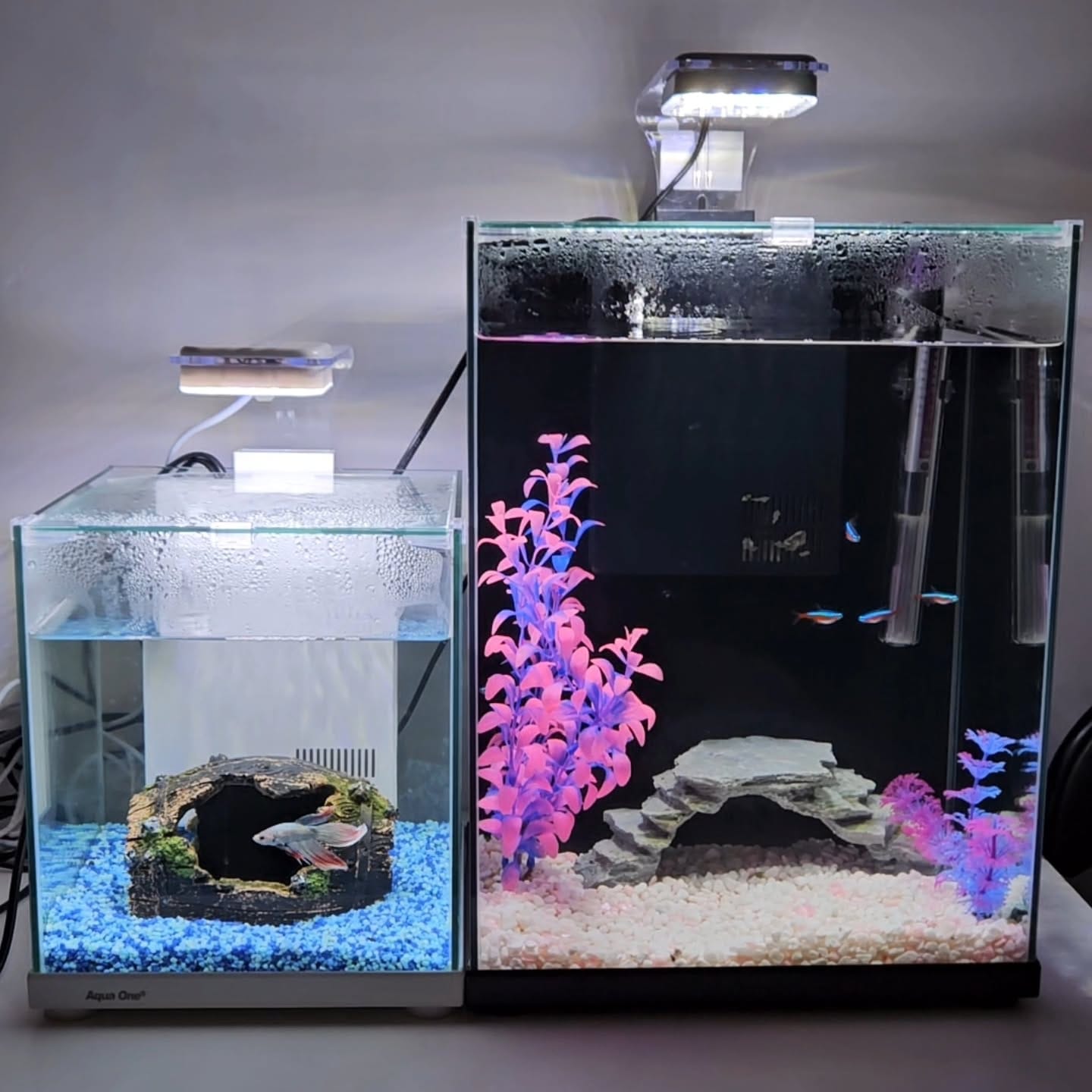
Maintaining stable water parameters is the cornerstone of a thriving aquarium. Among these, pH—a measure of how acidic or alkaline your water is—is crucial. If you’ve found your tank’s pH has dropped too low, a common household item, baking soda (sodium bicarbonate), can be a lifesaver.
But the key question is: how much baking soda to raise pH in aquarium water safely? Using too much can cause a dangerous pH swing, stressing or even killing your fish. This guide will provide a precise, step-by-step method to use baking soda effectively and safely.
Why Would You Need to Raise Your Aquarium’s pH?
Before reaching for the baking soda, it’s essential to understand why your pH is low. Common causes include:
- Accumulation of organic waste (fish waste, uneaten food).
- The presence of driftwood or Indian Almond Leaves, which release tannic acids.
- Naturally soft water with low buffering capacity (low kH).
As one experienced aquarist puts it:
“Baking soda doesn’t just raise pH; it strengthens your tank’s kH, or carbonate hardness. This acts as a ‘buffer,’ like a shock absorber, that prevents pH from crashing in the future. You’re not just fixing a symptom; you’re treating the cause of the instability.”
— Marine Biology Expert, Aquatic Solutions Lab
The Golden Rule: Start Low and Go Slow
The most critical principle when adjusting aquarium water chemistry is to avoid rapid changes. A sudden spike in pH can be more harmful than a consistently low pH. The maximum safe pH change in a 24-hour period is 0.3-0.5 units.
How Much Baking Soda to Use: A Step-by-Step Calculation
Baking soda is a reliable and inexpensive way to raise pH and kH. The following dosage is a safe starting point.
Standard Dosage Guideline
A general, safe starting dose is 1 teaspoon of baking soda per 5 gallons of water. This will raise the kH by approximately 1-2 dkH (degrees of Carbonate Hardness), which will in turn raise the pH.
Important: This is a starting point. The exact amount needed can vary based on your tank’s initial kH and the presence of pH-buffering substrates like driftwood.
Precise Measurement Table
Use this table to determine the amount of baking soda needed for your specific tank size.
| Tank Size (Gallons) | Initial Dose of Baking Soda | Expected kH Increase |
|---|---|---|
| 5 Gallons | 1 teaspoon | ~1-2 dkH |
| 10 Gallons | 2 teaspoons | ~1-2 dkH |
| 20 Gallons | 4 teaspoons (1 tbsp + 1 tsp) | ~1-2 dkH |
| 50 Gallons | 10 teaspoons (3 tbsp + 1 tsp) | ~1-2 dkH |
| 75 Gallons | 15 teaspoons (5 tbsp) | ~1-2 dkH |
| 100 Gallons | 20 teaspoons (6 tbsp + 2 tsp) | ~1-2 dkH |
Step-by-Step Application Process
- Test Your Water: Before you do anything, test your current pH and kH levels using a reliable liquid test kit.
- Prepare the Solution: Never add baking soda directly to the tank. Dissolve the measured amount in a cup (at least 500ml) of dechlorinated aquarium water.
- Add Slowly: Over a period of 15-30 minutes, slowly add this solution to an area of high water flow, such as near the filter outlet. This ensures it mixes thoroughly and doesn’t settle in one spot.
- Wait and Re-test: Wait for at least 1-2 hours for the water to circulate and stabilize. Then, test your pH and kH again.
- Repeat if Necessary: If the pH is still below your target, you can repeat the process with another half-dose. Always wait several hours between doses.
Baking Soda vs. Commercial pH Adjusters: Which is Better?
Many products on the market are designed to raise pH. So, why choose baking soda? Here’s a quick comparison.
| Feature | Baking Soda (Sodium Bicarbonate) | Commercial pH Up Products |
|---|---|---|
| Cost | Very inexpensive. | More expensive. |
| Primary Function | Raises kH (buffering capacity), which in turn raises pH. | Primarily designed to raise pH directly. |
| Control & Precision | High (you measure the exact amount). | Can be less precise if instructions are vague. |
| Safety | Very safe when diluted and added slowly. | Can be harsh and cause rapid spikes if overdosed. |
| Best For | Gradual, stable adjustments and boosting kH. | Quick fixes, but with higher risk of instability. |
Crucial Warnings and Best Practices
- Not for All Tanks: Baking soda is ideal for freshwater aquariums with fish that prefer harder, alkaline water (e.g., African Cichlids, Livebearers like Guppies and Mollies). It is not suitable for most planted tanks (as plants often prefer softer, acidic water) or Blackwater biotopes.
- Know Your Fish: Never use baking soda in an aquarium with fish that require soft, acidic water, such as Discus, Cardinal Tetras, or many South American species.
- Monitor Consistently: After treatment, continue to test your pH and kH daily for a week to ensure stability.
- Address the Root Cause: Baking soda is a temporary fix if the underlying issue (e.g., overstocking, infrequent water changes) isn’t resolved. Regular maintenance is key to a stable pH.
Final Verdict
Knowing how much baking soda to raise pH in an aquarium empowers you to take control of your water chemistry safely. By starting with 1 teaspoon per 5 gallons, dissolving it first, and adding it slowly, you can effectively and safely increase your kH and pH without shocking your aquatic pets. Remember, in the aquarium hobby, patience and stability are not just virtues—they are necessities.