Does Sevin Dust Kill Chigers? A Complete Guide to Effectiveness and Safety
Does Sevin Dust kill chiggers? The short answer is yes, Sevin Dust (containing the active ingredient Carbaryl) is a registered insecticide that can kill chiggers on contact. However, its effectiveness in real-world lawn and garden scenarios is debated, and there are significant safety considerations to understand before using it.
If you’ve ever been bitten by chiggers, you know the misery they cause. These nearly invisible pests, the larval stage of mites, leave behind intensely itchy, red welts. Finding a solution is a top priority for homeowners, gardeners, and parents alike. In this comprehensive guide, we’ll break down how Sevin Dust works against chiggers, compare it to other treatment methods, and provide crucial safety tips for its application.
Understanding the Enemy: What Are Chiggers?
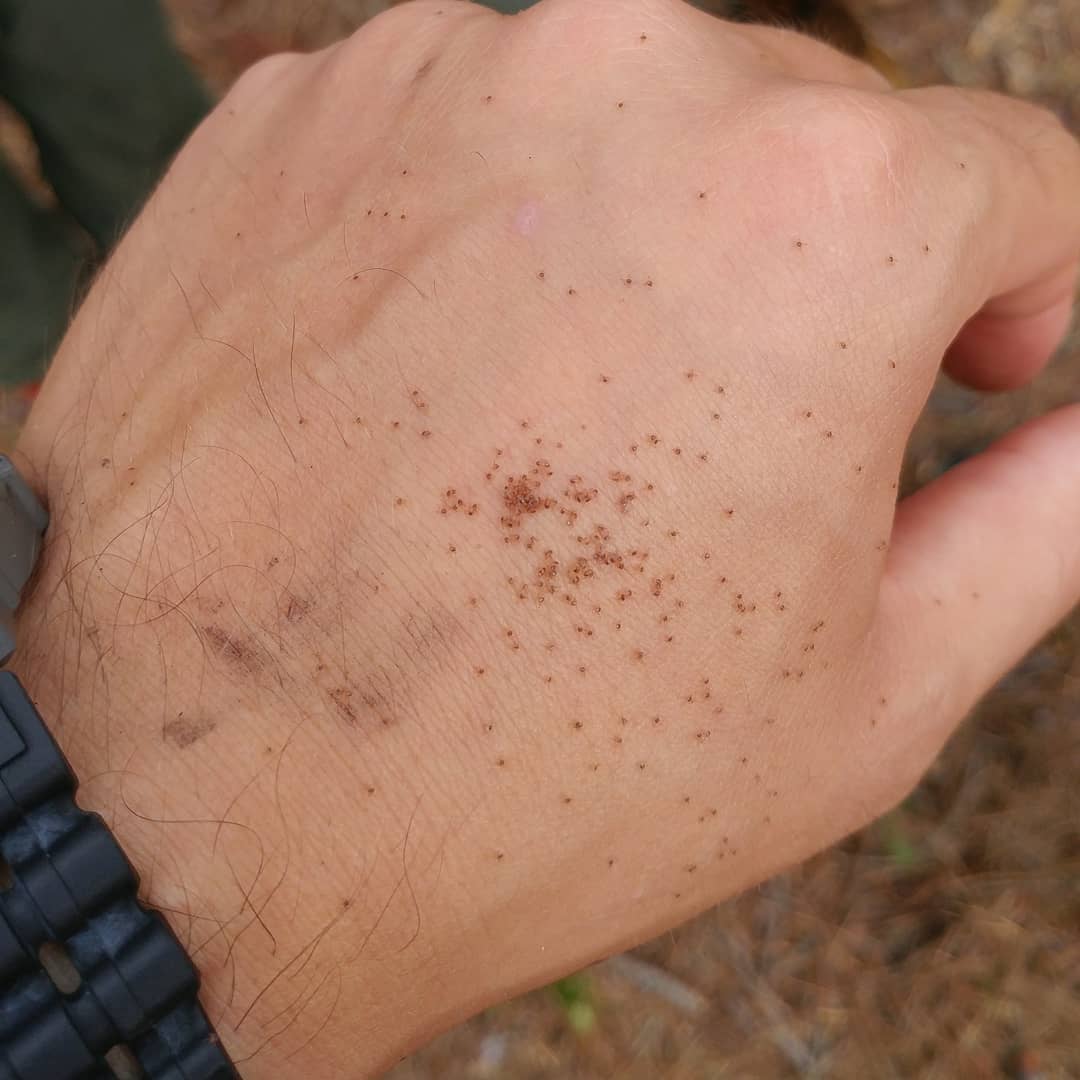
Before we tackle the solution, it’s important to know the target. Chiggers are not insects; they are the baby form (larvae) of trombiculid mites. They are tiny, red, and barely visible to the naked eye. Contrary to popular belief, they do not burrow into your skin. Instead, they inject digestive enzymes that break down skin cells, creating a hard feeding tube called a stylostome. It’s your body’s reaction to these enzymes that causes the severe itching.
Chiggers thrive in tall grass, weeds, damp soil, and areas with overgrown vegetation. They congregate in shaded, humid spots, waiting to latch onto a passing host.
How Sevin Dust Works Against Chiggers
Sevin Dust’s active ingredient is Carbaryl, a broad-spectrum carbamate insecticide. Carbaryl works by disrupting the nervous system of insects and arachnids (like chiggers), causing paralysis and eventually death.
When chiggers come into direct contact with the dust particles, the Carbaryl is absorbed, leading to their elimination. The key to success, however, is achieving that direct contact.
A Pest Control Professional’s Insight:
“Sevin Dust is a powerful tool, but it’s often misapplied for chigger control. People sprinkle it on their lawn and expect the chiggers to disappear. In reality, chiggers live at the soil level and in the thatch. For Sevin to work, you need a thorough application that reaches their habitat, not just the top of the grass blades. It’s more of a targeted barrier treatment than a wide-area cure-all.” — Michael Chen, Certified Arborist & Integrated Pest Management Specialist
Sevin Dust vs. Other Chigger Control Methods
While Sevin Dust can be effective, it’s not the only option. Here’s a comparison of common chigger control methods to help you decide the best approach.
| Method | How It Works | Pros | Cons | Best For |
|---|---|---|---|---|
| Sevin Dust (Carbaryl) | Contact insecticide; kills on touch. | – Readily available – Kills a wide range of garden pests – Long-lasting residue | – Can harm beneficial insects & pollinators – Requires direct contact – Potential toxicity to pets & wildlife | Targeted areas like perimeter borders, specific garden patches, and non-grass zones. |
| Insecticidal Soaps | Coats and suffocates pests on contact. | – Eco-friendly & biodegradable – Safe for pets & people once dry – No harsh chemical residue | – Only kills on direct contact – No residual effect – May require frequent reapplication | Immediate relief on vegetation near patios or play areas. Not for large lawns. |
| Broad-Spectrum Lawn Sprays | Systemic or contact poison absorbed by pests. | – Covers large areas efficiently – Can have longer residual control – Targets multiple lawn pests | – Often requires professional equipment – Can be harmful to the environment if misused | Large-scale lawn infestations where comprehensive treatment is needed. |
| Cultural Controls | Modifies the environment to be less hospitable. | – Long-term, sustainable solution – Completely non-toxic – Improves overall lawn health | – Requires ongoing effort & maintenance – Not an immediate “kill” solution | Prevention and long-term management for every property. |
How to Use Sevin Dust for Chigger Control (Safely and Effectively)
If you choose to use Sevin Dust, follow these steps for maximum effectiveness and safety.
- Identify the Hotspots: Focus on areas where chiggers are most likely to live: the perimeter of your yard, tall grass edges, dense ground covers, and shady, moist spots.
- Mow and Clean First: Before application, mow your lawn and remove any leaf litter, tall weeds, and brush. This eliminates chigger habitats and allows the dust to reach the soil level.
- Apply a Thin, Even Layer: Using a shaker can, apply a light, visible dusting to the soil, grass stems, and base of plants in the target areas. Do not dump or create heavy piles.
- Re-apply as Directed: Sevin Dust remains effective for up to 3 months after application. However, heavy rain or watering can wash it away, requiring reapplication. Always follow the label instructions for timing.
- Keep Pets and People Away: The product label typically recommends keeping pets and people off the treated area until the dust has settled. This is crucial for safety.
Critical Safety Considerations and Environmental Impact
Carbaryl, the active ingredient in Sevin Dust, is toxic to more than just chiggers. It is highly toxic to bees and other pollinators, and can be harmful to birds, earthworms, and aquatic life.
- Pet Safety: While the dust can be used in gardens, it is a chemical insecticide. Keep pets away during application and until the dust has fully settled into the environment to prevent inhalation or ingestion.
- Personal Protective Equipment (PPE): Always wear gloves, a mask, and safety glasses when applying any pesticide, including Sevin Dust.
The Verdict: Is Sevin Dust the Right Choice for You?
Sevin Dust can kill chigers, but it is not a magic bullet. Its effectiveness is highly dependent on proper application directly to the chigger habitats. For small, targeted areas, it can be a useful part of your pest control strategy.
However, for most homeowners dealing with a widespread chigger problem, a multi-pronged approach is more effective and sustainable:
- Lawn Maintenance: Regularly mow your lawn, remove thatch, and clear brush piles.
- Create a Barrier: Keep grass short around the perimeter of your property to create a less inviting environment.
- Use Repellents: Apply DEET or permethrin-based repellents to shoes and clothing when venturing into chigger-prone areas.
- Consider Alternatives: For larger lawns, a liquid insecticide containing Bifenthrin or Permethrin, applied with a sprayer, often provides better coverage and longer-lasting control with less risk to pollinators than a broadcast application of dust.
Ultimately, while Sevin Dust has its place in the pest control toolkit, relying on it alone is rarely the best long-term solution for a chigger-free yard. By combining targeted chemical use with robust cultural practices, you can reclaim your outdoor space from these itchy pests safely and effectively.