
Does Sevin Dust Kill Carpenter Bees? A Complete Guide to Using Carbaryl
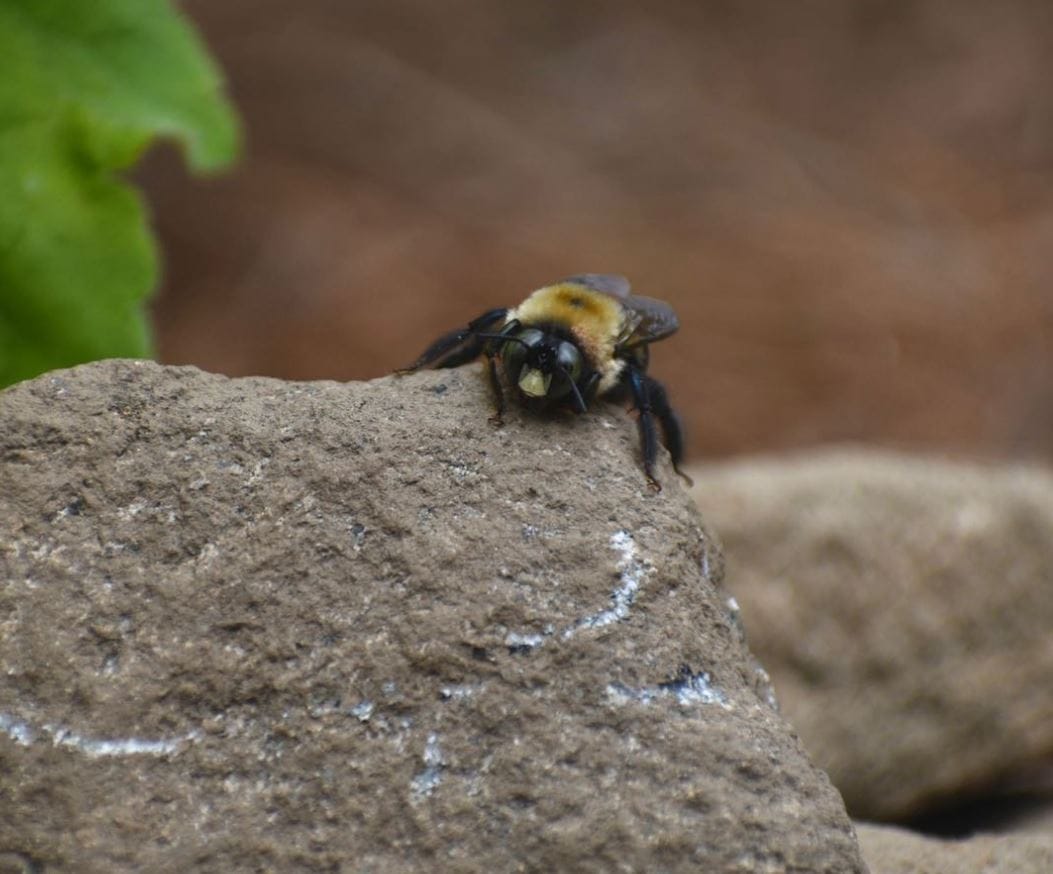
Carpenter bees are a familiar sight in the spring, hovering around the eaves, decks, and wooden fences of our homes. While generally less aggressive than their wasp or yellowjacket cousins, their habit of drilling near-perfect holes into wood to create nests can cause significant and costly structural damage over time. For homeowners facing an infestation, a common question arises: Does Sevin Dust kill carpenter bees?
The short answer is yes, Sevin Dust is an effective insecticide for controlling carpenter bees. However, using it correctly and understanding its role within a larger pest management strategy is crucial for both safety and long-term success.
What is Sevin Dust?
Sevin Dust is a popular brand-name insecticide whose active ingredient is Carbaryl. It belongs to a class of chemicals known as carbamates, which work by affecting the nervous system of insects, leading to paralysis and death. It is widely available at garden centers and hardware stores and is marketed for use on a variety of insects, including beetles, grubs, and ants.
How Sevin Dust Kills Carpenter Bees
Carpenter bees are solitary nesters. Each female bores into wood to create a network of tunnels where she lays her eggs. The key to controlling them is to target these nests directly.
Sevin Dust is effective through a mechanism known as contact and ingestion toxicity. When applied correctly into the carpenter bee holes, the powder serves a dual purpose:
- Direct Contact: As the adult bee enters or exits the nest, its body comes into contact with the dust. The insecticide is then absorbed through the exoskeleton.
- Grooming & Contamination: The dust clings to the bee’s body. When the bee grooms itself, it ingests the poison. Furthermore, the bee tracks the dust deeper into the nest, contaminating the food supply (pollen balls) and larvae.
Expert Insight: “Carbaryl-based dusts like Sevin are a go-to for many pest control professionals for one reason: they are highly effective at transferring the active ingredient deep into the gallery. The goal isn’t just to kill the adult you see, but to break the reproductive cycle by eliminating the developing brood inside,” says Dr. Eleanor Vance, an entomologist with the National Pest Management Association.
How to Use Sevin Dust for Carpenter Bee Control: A Step-by-Step Guide
Safety First: Always wear personal protective equipment (PPE), including safety glasses, a respirator mask (NIOSH-approved), and chemical-resistant gloves.
Materials Needed: Sevin Dust, a bulb duster or puffer bottle, caulk, and wooden plugs or corks.
Best Time to Apply: Apply the dust in the evening or on a cool, overcast day when the bees are less active and are likely to be inside their nests.
Step 1: Locate Active Holes
Identify the clean, round entry holes (about 1/2 inch in diameter) often accompanied by fresh sawdust (frass) below.
Step 2: Apply the Dust
Insert the tip of your bulb duster into the entrance hole and puff a generous amount of Sevin Dust inside. You want to coat the inside of the tunnel thoroughly. A common mistake is not using enough dust.
Step 3: Wait and Observe
Leave the hole untreated for 24-48 hours. This allows the bees to continue moving in and out, further distributing the dust throughout the nest and to other bees.
Step 4: Seal the Holes
After 2-3 days, if bee activity has ceased, permanently seal the holes with a wooden plug, cork, or a high-quality caulk/sealant. Do not seal the holes immediately, as you may trap live bees inside who will simply chew their way out.
Sevin Dust vs. Other Carpenter Bee Control Methods
How does Sevin Dust stack up against other common control methods? The table below provides a clear comparison.
| Control Method | How It Works | Pros | Cons | Best For |
|---|---|---|---|---|
| Sevin Dust (Carbaryl) | Contact poison applied into nests. | – Highly effective – Transfers deep into galleries – Affordable & widely available | – Broad-spectrum, can harm beneficial insects – Requires precise application – Potential health risks if mishandled | Active infestations, especially when nests are already established. |
| Insecticidal Dusts (Diatomaceous Earth) | Abrasive powder damages exoskeleton, causing dehydration. | – Organic/non-chemical – Safe for pets & humans once settled | – Slower acting than chemical dusts – Less effective in humid conditions | Light infestations or for those preferring a non-chemical approach. |
| Aerosol Bee Sprays | Direct-contact insecticide that kills on impact. | – Immediate knockdown – Good for hitting bees in flight | – Does not effectively treat the larvae inside the nest – Often requires repeated applications | Spot treatment of visible, active adult bees. |
| Preventative Wood Treatment | Applying stains, paints, or almond oil sprays to wood surfaces. | – Long-term solution – Prevents damage before it starts – Non-toxic options available | – Does not eliminate an existing infestation – Requires regular reapplication | Proactive protection for vulnerable wood on your property. |
Important Safety and Environmental Considerations
While effective, Sevin Dust is not without its drawbacks.
- Harm to Beneficial Insects: Carbaryl is a broad-spectrum insecticide, meaning it can kill helpful pollinators like honeybees, ladybugs, and lacewings if they come into contact with treated surfaces. Apply dust carefully and only directly into bee holes to minimize drift.
- Human and Pet Safety: The dust can be harmful if inhaled or ingested. Keep children and pets away from treated areas until the dust has settled and the holes have been sealed.
- Environmental Impact: Overuse can lead to soil and water contamination. Always follow the label instructions exactly.
The Verdict: Is Sevin Dust the Right Choice?
Sevin Dust is a powerful and effective tool for eliminating an active carpenter bee infestation when applied correctly into their nest galleries. Its ability to be carried deep into the tunnel system makes it superior to surface sprays for this specific purpose.
However, it should be viewed as a reactive solution. For long-term carpenter bee management, a combination approach is best:
- React to active nests with a targeted application of Sevin Dust.
- Prevent future infestations by painting or staining bare wood and using citrus or almond oil-based deterrents.
- Maintain your property by replacing damaged wood and sealing old nest holes after treatment.
By understanding how and when to use Sevin Dust, you can protect your home from carpenter bee damage effectively and responsibly.


