Does Leather Melt? Understanding Leather’s Heat Resistance
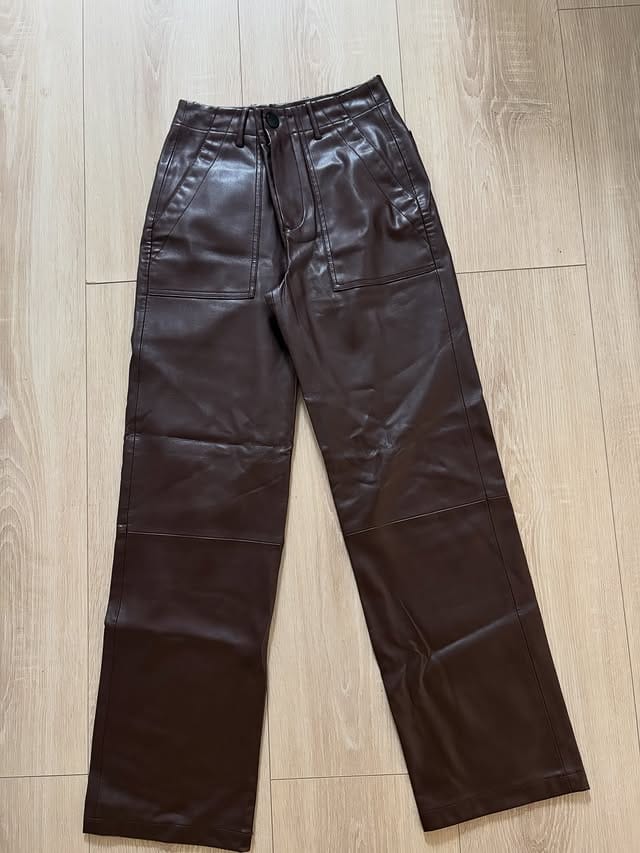
When it comes to durability and style, leather is a top choice for furniture, clothing, and accessories. But a common question arises: does leather melt? The short answer is no, leather does not melt like synthetic plastics, but it can be severely damaged by high heat. Understanding how leather reacts to heat is crucial for proper care and safety. In this article, we’ll explore the science behind leather’s heat resistance, compare different leather types, and provide practical tips to protect your leather goods.
Why Leather Doesn’t Melt (The Science Explained)
Unlike synthetic materials such as plastic or polyester, leather is a natural protein material made from animal hides (primarily collagen fibers). When exposed to high heat, these proteins undergo a process called denaturation and eventually decomposition, rather than melting.
- Melting Point vs. Damage Point: True melting involves a solid turning to liquid at a specific temperature. Leather does not liquefy. Instead, it begins to shrink, harden, char, and eventually burn.
- Critical Temperature Thresholds:
- Above 212°F (100°C): Leather starts to lose moisture, becoming brittle and prone to cracking.
- Above 284°F (140°C): Leather begins to shrink significantly.
- Above 392°F (200°C): Leather chars and may ignite, burning like hair or wool.
Heat Resistance Comparison: Types of Leather
Not all leather is created equal. The tanning process and finish affect how different leathers withstand heat.
Table 1: Heat Tolerance of Common Leather Types
| Leather Type | Typical Max Heat Before Damage | Key Characteristics & Notes |
|---|---|---|
| Full-Grain Leather | Up to 200°F (93°C) for short periods | Dense, natural fibers. May darken but resists immediate scorching. |
| Genuine Leather | 160-180°F (71-82°C) | Often thinner, may split layers. More susceptible to drying and cracking. |
| Bonded Leather | As low as 140°F (60°C) | Contains adhesives and fibers. Can warp, bubble, or emit fumes at lower temps. |
| Suede & Nubuck | 150-170°F (65-77°C) | Porous, delicate surface. Easily scarred by heat and stains. |
| Synthetic/”Vegan” Leather (PVC/PU) | 130-175°F (54-79°C) | Will melt. Made from plastics that can liquefy, emit toxic fumes, and distort. |
Leather vs. Synthetic Materials: The Melting Misconception
A key point of confusion arises because many items labeled “leather” (like some car seats or cheap bags) are actually synthetic. Here’s a clear comparison:
Table 2: Leather vs. Synthetic Reaction to High Heat
| Material | Reaction to High Heat | Result | Fumes/Safety |
|---|---|---|---|
| Natural Leather | Dries, hardens, chars, then burns. | Becomes brittle, may ignite. | Smells like burning hair; can produce toxic smoke when treated with chemicals. |
| Synthetic Leather (PVC/PU) | Softens, deforms, then melts into liquid. | Bubbles, discolors, tears easily. | Often releases toxic chlorine (PVC) or chemical fumes. |
| Plastic (e.g., Pleather) | Melts rapidly, can drip. | Complete structural failure. | Highly toxic fumes risk. |
Practical Scenarios: When Leather Meets Heat
- Leather in Cars: Car interiors can exceed 145°F (63°C) on hot days. While this won’t melt leather seats, prolonged exposure can cause fading, cracking, and stiffness. Always use sunshades and condition regularly.
- Cooking & Kitchen Accidents: Spattering oil or brief contact with a hot pan (often >300°F/150°C) can cause immediate scorch marks or charring on leather aprons or gloves.
- Hair Styling Tools: Curling irons and straighteners can reach 300-450°F (149-232°C). Brief contact will burn leather instantly, leaving a permanent scar.
- Open Flames & Fireplaces: Leather is not flame-resistant. It can catch fire if exposed to direct flames or intense radiant heat.
How to Protect Leather from Heat Damage
- Keep Away from Direct Heat Sources: Maintain distance from radiators, heaters, fireplaces, and direct sunlight.
- Use Protective Conditioners: Quality leather conditioners maintain moisture, providing a slight buffer against heat drying.
- Act Quickly on Heat Exposure: If leather is exposed to moderate heat, gently cool it and apply a conditioner once at room temperature.
- Choose the Right Leather for the Job: For high-heat environments (e.g., motorcycle gear, kitchen accessories), seek out heat-resistant or fire-retardant treated leathers.
FAQ: Does Leather Melt?
Q: At what temperature does leather burn?
A: Leather can ignite at temperatures above 400-500°F (204-260°C), depending on thickness and treatment.
Q: Can a hot iron melt leather?
A: A standard clothes iron (up to 400°F/204°C) won’t melt natural leather but will scorch, shrink, and permanently damage it. On synthetic leather, it may cause melting or sticking.
Q: Does leather melt in a car?
A: No, natural leather won’t melt in a car, but extreme heat can cause it to crack, fade, and degrade over time. Synthetic materials may warp or become sticky.
Q: Is leather fireproof?
A: No. Leather is flammable and will burn if exposed to an open flame or sufficiently high heat.
The Bottom Line
Natural leather does not melt; it burns. The misconception often comes from confusing genuine leather with synthetic alternatives that do melt. Understanding this difference is key to caring for your products and making informed purchases. To ensure the longevity of your leather goods, avoid high heat, condition regularly, and always check material labels—especially when heat exposure is likely.
By knowing how leather reacts to heat, you can better protect your investments and enjoy the timeless appeal of leather for years to come.