Does Borax Kill Bees? The Unsettling Truth and Safer Alternatives
As gardeners and homeowners become more environmentally conscious, the question of how common household products affect beneficial insects is more important than ever. Borax, a popular mineral-based cleaner and pesticide, often comes under scrutiny. If you’re using it to control ants or other pests, you might be asking: does borax kill bees?
The short and critical answer is yes, borax is highly toxic and lethal to bees.
This article delves into the science behind borax’s toxicity, explains how it can decimate an entire hive, and provides a clear comparison of its effects versus safer pest control methods.
Understanding Borax and Its Intended Use
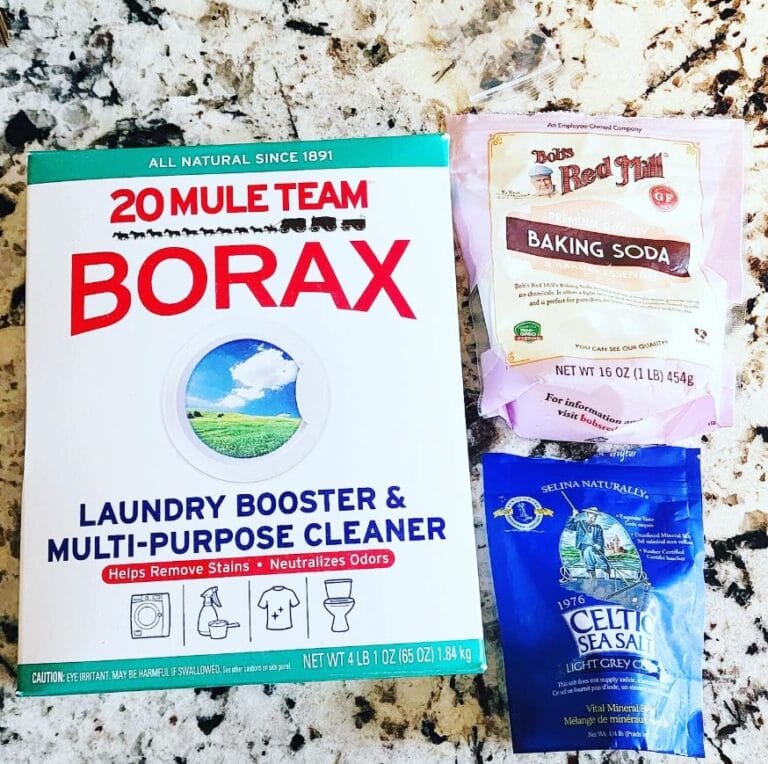
Borax, also known as sodium tetraborate decahydrate, is a naturally occurring mineral. It’s a versatile household staple, praised for its cleaning, deodorizing, and insecticidal properties. Its effectiveness against pests like ants and cockroaches is well-documented. When ingested by insects, borax disrupts their digestive system and acts as a desiccant, drying them out from the inside.
However, this very mechanism that makes it effective against pests also makes it a significant threat to non-target insects, including our vital pollinators.
How Borax Kills Bees: The Lethal Mechanism
Bees can be exposed to borax in two primary ways, both of which are fatal.
- Direct Contact: If a bee comes into direct contact with borax powder, the mineral can stick to its fuzzy body. Borax is abrasive and absorbs the protective waxes and oils from the bee’s exoskeleton, leading to rapid dehydration and death.
- Ingestion (The Greater Threat): This is the most common and dangerous route of exposure. Borax is often mixed with sweet baits to attract ants. Unfortunately, this sugary mixture is equally attractive to foraging bees.
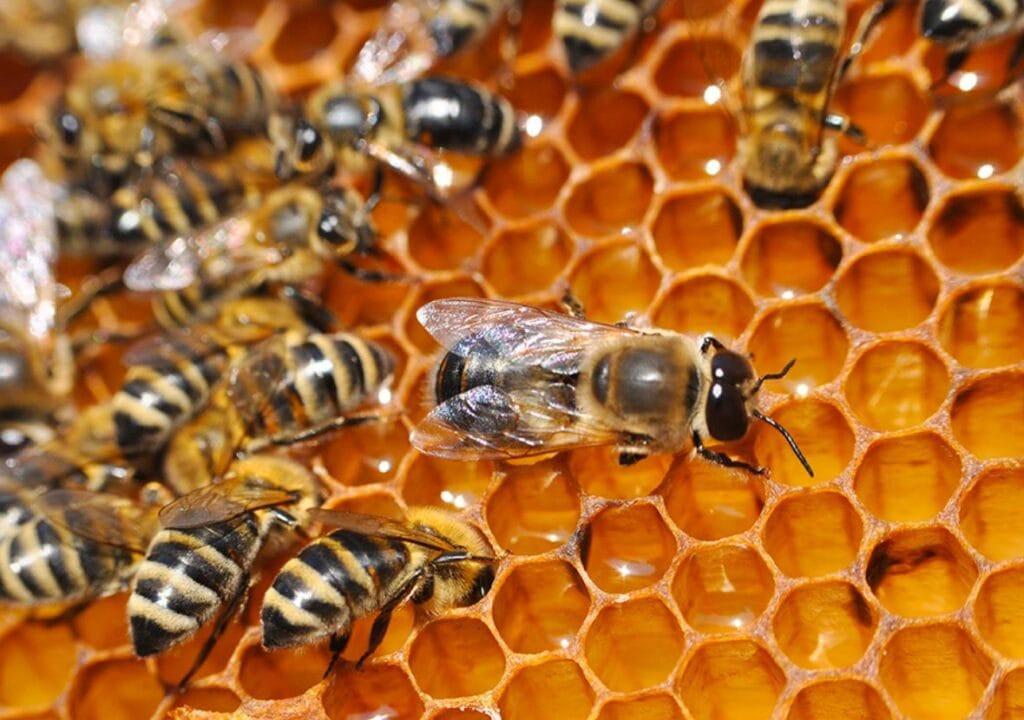
A beekeeper and environmental advocate, Sarah Carter, explains: “A foraging bee cannot distinguish between a drop of nectar and a drop of borax-laced sugar syrup. She will eagerly collect this poisoned ‘nectar’ and bring it back to the hive as food for her sisters and the developing larvae. This single act can poison the entire colony.”
Once ingested, borax wreaks havoc on the bee’s internal systems, leading to a slow and painful death. Even a small amount is enough to kill an individual bee.
The Domino Effect: From One Bee to a Colony Collapse
The real danger of borax extends far beyond the death of a single forager. Bees are social creatures that thrive on sharing resources.
- The Forager brings contaminated food back to the hive.
- The House Bees receive and process this food, storing it in honeycomb cells.
- The Nurse Bees feed this contaminated honey/pollen to the larvae (baby bees).
- The Queen may also be fed this tainted food, affecting her health and egg-laying ability.
This process, known as trophallaxis, turns the entire hive into a death trap. The borax is spread throughout the colony, leading to a mass die-off that can weaken or even destroy the hive entirely.
Borax vs. Other Common Pesticides: A Toxicity Comparison
To understand where borax stands in terms of danger, it’s helpful to compare it to other well-known pesticides. The following table uses the LD50 value—the lethal dose required to kill 50% of a test population—with a lower number indicating higher toxicity.
| Pesticide | Toxicity to Bees (Oral LD50) | How it Affects Bees | Persistence in Environment |
|---|---|---|---|
| Borax (Boric Acid) | ~ 1.5 µg/bee (Highly Toxic) | Stomach poison, desiccant; kills foragers and contaminates the entire hive. | Moderate to Long |
| Neonicotinoids | ~ 0.004 – 0.375 µg/bee (Highly Toxic) | Systemic poison; contaminates pollen and nectar, causing sublethal and lethal effects. | Long |
| Organophosphates | Varies, but often Highly Toxic | Nerve agent; kills on contact and through residue. | Short to Moderate |
| Pyrethroids | Varies, but often Highly Toxic | Nerve agent; highly toxic on contact. | Short |
| Diatomaceous Earth | Physical Toxicity | Abrades exoskeleton, causing dehydration. Only harmful on direct, heavy contact. | Low (when dry) |
| Insecticidal Soap | Low to Moderate Toxicity | Disrupts cell membranes; only harms on direct contact, no residual effect. | Very Low |
Key Takeaway: While other pesticides like neonicotinoids are technically more potent, borax remains in the “highly toxic” category for bees. Its primary risk lies in its attractiveness as a bait and its potential to cause widespread colony death.
Bee-Safe Alternatives for Pest Control
Protecting bees doesn’t mean you have to surrender your garden to pests. Here are several effective and bee-friendly alternatives:
- For Ant Control:
- Diatomaceous Earth (Food Grade): Sprinkle around ant trails. It’s a physical desiccant but is only harmful to bees if they are directly dusted with it. Use sparingly and away from blooming flowers.
- Boiling Water: Pour directly into the entrance of an ant mound.
- Vinegar Solutions: Disrupts ant trails and can be sprayed directly on them.
- For General Garden Pests:
- Insecticidal Soaps & Horticultural Oils: These are contact pesticides that have no residual effect. Spray directly on soft-bodied pests (aphids, mites) and they break down quickly, posing minimal risk to bees that visit after the spray has dried.
- Beneficial Insects: Introduce ladybugs, lacewings, or predatory nematodes to control pest populations naturally.
- Manual Removal: Hand-picking pests or using a strong spray of water from a hose can be surprisingly effective for small infestations.
Dr. Evelyn Reed, an entomologist, advises: “The golden rule for any pest control is precision and timing. Always apply products in the early morning or late evening when bees are least active. Avoid spraying any product, even mild ones, directly on open blossoms where bees are foraging.”
Conclusion: A Choice for the Future
The evidence is clear: borax does kill bees, and its use poses a significant and often overlooked threat to local pollinator populations. Given the vital role bees play in our ecosystem and food supply, the risks of using borax outdoors far outweigh its benefits.
By choosing targeted, bee-safe alternatives and adopting integrated pest management practices, we can effectively manage pests without harming the beneficial insects that our environment depends on. Making the switch is a small step for a gardener, but a giant leap for bee-kind.
FAQ
Q: Is boric acid the same as borax for killing bees?
A: Yes, in terms of toxicity. Boric acid is a refined form of the same boron compound found in borax and is equally toxic to bees through ingestion and contact.
Q: Can I use borax in my yard if I don’t have a beehive?
A: While the immediate risk is lower without a managed hive, wild native bees and other pollinators still forage in your yard. Using borax can poison these vital insects and disrupt the local ecosystem.
Q: What should I do if I suspect bees have been exposed to borax?
A: If it’s a managed hive, contact the beekeeper immediately. For wild bees, the best course of action is to remove the borax source immediately and provide a clean water source to help any surviving bees.