Does Ammonia Kill Ants? The Surprising Truth and Safer Alternatives
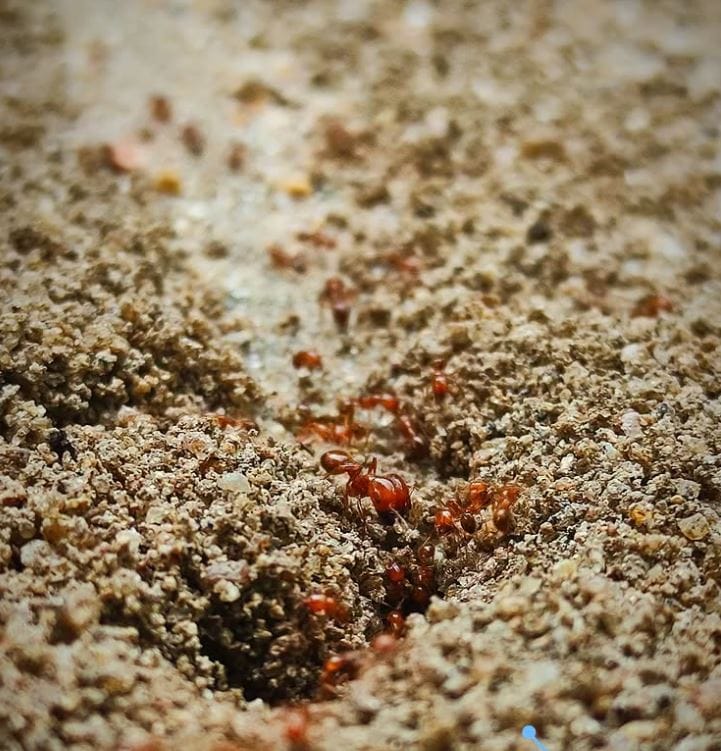
You’ve seen the trail of tiny invaders marching across your kitchen counter. Your first instinct might be to reach for a powerful-smelling household cleaner to wipe them out. Ammonia, a common ingredient in many cleaning products, often gets suggested as a DIY pest control solution. But does ammonia kill ants effectively, and is it a smart choice for your home?
The short answer is yes, ammonia can kill ants on contact, but it is a dangerously flawed and ineffective method for solving an ant infestation. This article will dive deep into how ammonia affects ants, why it fails as a long-term solution, and provide you with safer, more reliable alternatives.
How Does Ammonia Work Against Ants?
Ammonia is a corrosive, pungent chemical compound (NH³). Its ability to harm ants stems from two primary properties:
- Toxicity: Ammonia is a toxic substance. When ants are directly sprayed with a concentrated ammonia solution, it can poison and kill them.
- Corrosiveness: Its corrosive nature can damage the ants’ exoskeleton and disrupt their respiratory systems, leading to suffocation.
However, this direct contact kill is only part of the story. The potent smell of ammonia is often misunderstood.
Expert Insight: “Many people believe the strong odor of ammonia masks the pheromone trails that ants use to navigate. While the smell may temporarily disorient them, it does not effectively erase these chemical pathways. Water and soapy water are far more effective at breaking down ant pheromones,” notes Dr. Eleanor Vance, an urban entomologist.
The Major Drawbacks: Why Ammonia is a Poor Ant Killer
Using ammonia might seem like a quick fix, but it comes with significant risks and limitations that make it a poor choice for ant control.
- Ineffective Against the Colony: Ant colonies are superorganisms. The ants you see foraging for food are just the workers. The heart of the colony is the queen, hidden deep in a nest, who can lay thousands of eggs. Ammonia does nothing to reach or kill the queen. As long as she is alive, the colony will continue to produce more worker ants.
- Extremely Hazardous to Health: Ammonia fumes are highly irritating to the respiratory system, eyes, and skin. Using it in enclosed spaces can be dangerous for humans, children, and pets. Mixing ammonia with bleach creates chlorine gas, which is deadly.
- Surface-Level Solution: It only kills the ants you can see, providing a temporary reduction in numbers without addressing the root of the problem.
- Can Damage Your Home: Ammonia can damage and discolor certain surfaces like wood, laminates, and fabrics.

Ammonia vs. Other Common Ant Control Methods
The table below provides a clear comparison of ammonia against other popular ant control strategies.
| Method | How It Works | Effectiveness | Safety & Drawbacks |
|---|---|---|---|
| Ammonia | Kills on contact via toxicity and corrosion. | Low – Only kills visible ants; does not eliminate the colony. | Very Dangerous – Toxic fumes, harmful to pets/kids, can damage surfaces. |
| Ant Baits (Gel/Liquid) | Foragers carry slow-acting poison back to the nest, sharing it with the queen and colony. | Very High – Targets the entire colony, including the queen. | Moderate – Keep away from children and pets, but generally safe when used as directed. |
| Diatomaceous Earth | Powder made from fossilized algae. Scratches the ant’s exoskeleton, causing them to dehydrate and die. | Moderate to High – Effective but can be rendered useless when wet. | Safe – Non-toxic to mammals; a physical insecticide. Avoid inhalation. |
| Borax & Sugar Bait | Similar to commercial baits. Borax is the slow-acting poison that gets transported to the nest. | High – Effective at colony elimination when prepared correctly. | Moderate – Toxic if ingested in large quantities; must be placed out of reach of pets/children. |
| Vinegar Solution | Disrupts pheromone trails and can kill on contact in high concentrations. | Low to Moderate – Excellent for cleaning away trails, but poor for colony elimination. | Safe – Non-toxic and pet-safe when diluted. Strong smell dissipates quickly. |
As the table illustrates, while ammonia is a potent chemical, its application for ant control is outclassed by methods designed specifically for colony elimination.
Safer and More Effective Alternatives to Ammonia
For a truly ant-free home, you need a strategy that targets the entire colony.
- Use Ant Baits (The Gold Standard): This is the most effective method. Place commercial bait stations near ant trails. The workers will bring the poisoned food back to the nest, effectively destroying it from the inside out. Patience is key, as it can take several days to a week to see results.
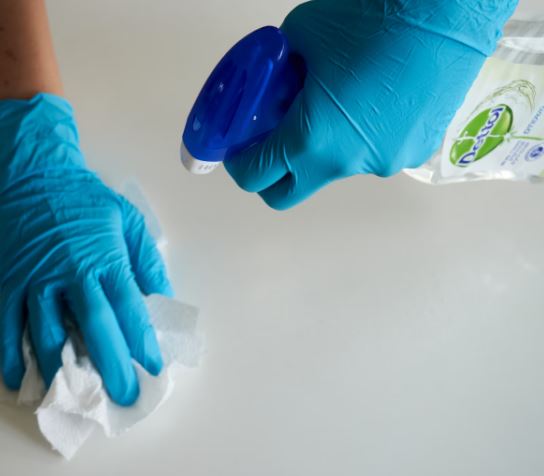
- Disrupt Pheromone Trails: Mix a solution of 1 part white vinegar to 1 part water and use it to wipe down countertops, floors, and windowsills. This removes the scent trails that guide other ants to food sources.
- Seal Entry Points: Perform a thorough inspection of your home’s exterior. Use caulk to seal cracks in foundations, gaps around windows, and any other tiny openings ants use to get inside.
- Maintain Cleanliness: The best defense is a good offense. Wipe up spills immediately, store food in airtight containers, and take out the trash regularly to remove ant attractants.
The Final Verdict
So, does ammonia kill ants? Yes, but only through direct contact, making it an ineffective and hazardous long-term solution. Relying on ammonia is like mopping up a overflowing sink without turning off the tap. It addresses the symptom (the visible ants) but ignores the cause (the hidden colony).
For the safety of your family, pets, and home, it is strongly recommended to avoid using ammonia as an insecticide. Instead, opt for proven, targeted methods like ant baits and diatomaceous earth, combined with good sanitation practices, to achieve a permanent solution to your ant problem.