Does Adding a Flag to Your Home/Garden Add to Your Curb Appeal
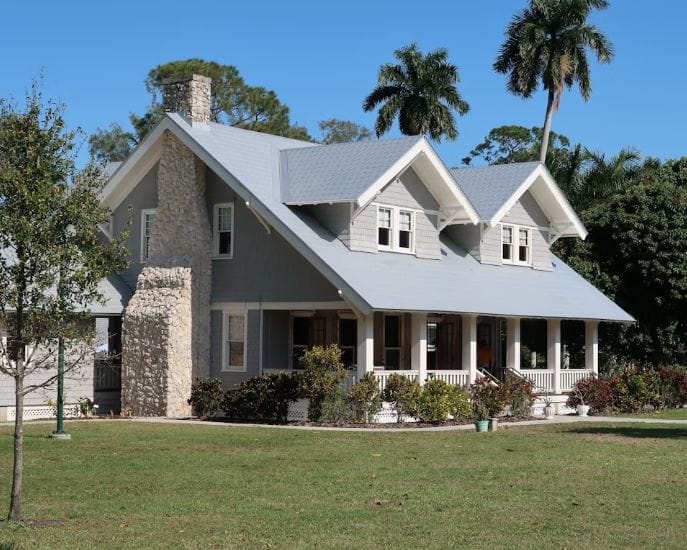
Homeowners look for simple ways to elevate their property’s appearance without committing to major renovations. Flags offer a creative and meaningful option that blends personal expression with visual impact. When chosen thoughtfully and displayed with care, a flag can frame a home’s architecture, highlight landscaping, and signal a sense of pride that visitors notice immediately. Subtle details often shape first impressions, and a flag creates a focal point that sets the tone before anyone reaches the front door.
The Role of Flags in First Impressions
Curb appeal starts at the edge of the property line. A well-placed flag introduces personality before guests take a single step toward the house. Colors and patterns catch the eye, while movement in the breeze adds a dynamic element to otherwise static surroundings.
Homeowners can align flag designs with their property’s aesthetic, choosing classic motifs for traditional facades or modern interpretations for contemporary spaces. The result feels intentional rather than decorative for its own sake. People walking or driving by register the visual cue almost instantly, forming opinions about the property’s character and upkeep.
Aligning Flag Selection With Architecture
Matching flag styles to architectural elements creates harmony between structure and decoration. Colonial or farmhouse homes pair well with classic flags that feature clean lines and timeless designs. Coastal properties often incorporate nautical motifs or soft color palettes that mirror the nearby environment.
Urban townhomes benefit from minimalistic banners that complement sleek lines and neutral tones. A thoughtful match between flag and facade amplifies visual appeal, making the property appear well considered rather than cluttered. Details like pole placement, mounting angle, and scale ensure the flag enhances rather than overwhelms the design.
Quality And Craftsmanship Elevate Presentation
Material quality influences both appearance and longevity. High-grade fabrics maintain color and resist fraying through seasonal changes, while sturdy poles and brackets prevent sagging or uneven hangs. Homeowners who invest in durable materials avoid the faded, tattered look that can hurt curb appeal. Premium options include fade-resistant dyes, reinforced stitching, and weather-treated finishes that withstand wind and rain.
A flag displayed with crisp lines and vibrant colors communicates care, while worn or poorly hung flags create the opposite impression. Selecting reliable suppliers such as Ultimate Flags LLC and similar ones helps homeowners find well-made products that enhance rather than detract from their property. This attention to craftsmanship goes beyond aesthetics. Flags that hold their shape under different weather conditions maintain their intended presentation, keeping the overall scene neat. A flag that hangs evenly and retains its color supports the home’s broader visual theme, reinforcing the idea that every design element matters.
Positioning Matters For Impact
The placement of a flag determines how much visual weight it carries in the overall landscape. A pole mounted near the front door frames the entrance, drawing attention to architectural details and inviting visitors inside. Freestanding poles in gardens or lawns add vertical interest to horizontal planes, complementing pathways and flowerbeds. Some homeowners position flags to highlight structural symmetry, while others use them as strategic accents to offset bold landscaping features. The key lies in choosing a location that integrates naturally with existing elements, avoiding placements that appear forced or disconnected.
Angles and heights play a role as well. A flag positioned too low may feel underwhelming, while one mounted too high can look disconnected from the property. Aligning the flagpole with sightlines created by roof peaks, columns, or walkways produces a balanced, cohesive appearance. These subtle adjustments shape how visitors perceive the property before entering.
Seasonal Rotation Keeps Designs Fresh
Changing flags with the seasons offers an easy way to keep a property’s appearance fresh without expensive upgrades. Homeowners can choose flags that reflect holidays, local traditions, or personal milestones, creating variety throughout the year. Seasonal rotations maintain visual interest while avoiding visual fatigue that can happen when the same display remains in place indefinitely. Fresh designs signal attention to detail, suggesting that the homeowner cares about both the property and the impression it makes.
This approach works particularly well for gardens. A seasonal flag near a blooming bed or along a path can tie the display to nature’s cycles, making the entire landscape feel intentional. As the garden changes, the flag can shift with it, ensuring that each element continues to complement the others.
Flags bring personality, structure, and visual energy to homes and gardens when chosen thoughtfully. Placement, quality, and alignment with architectural and landscape features shape how much impact they deliver. Seasonal variation keeps displays fresh, while proper maintenance ensures lasting appeal. A well-presented flag signals pride and attention to detail, strengthening curb appeal in subtle yet powerful ways that enhance daily life and long-term property value.