Do Lysol Wipes Kill Ringworm? A Definitive Guide to Disinfection
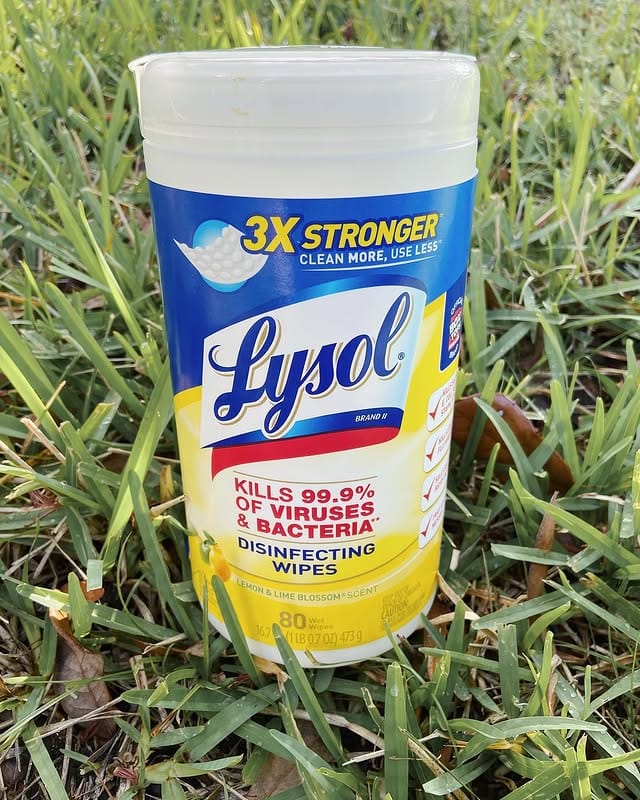
If you or a family member is dealing with a ringworm infection, your first priority is containment. This highly contagious fungus (despite its name, it’s caused by a dermatophyte, not a worm) can linger on surfaces for months, leading to reinfection or spreading to others. In the quest for a clean home, a common question arises: Do Lysol wipes kill ringworm?
The short answer is yes, but with a critical caveat. Not all Lysol wipes are created equal, and using them correctly is paramount.
Understanding the Enemy: What is Ringworm?
Before we tackle disinfectants, it’s essential to know what we’re fighting. Ringworm (tinea corporis) is a skin infection caused by a group of fungi that feed on keratin, the protein found in skin, hair, and nails.
Dr. Sarah Miller, a board-certified dermatologist, explains: “The ringworm fungus produces spores that are incredibly resilient. These microscopic spores can survive on combs, bedding, furniture, and clothing for extended periods, making environmental disinfection a crucial step in treatment.”
This resilience is why simply treating the skin rash isn’t enough. You must also attack the fungus at its source in your environment.
The Verdict on Lysol Wipes and Ringworm
The effectiveness of a disinfectant is determined by the Environmental Protection Agency (EPA) in the United States. The EPA maintains a list of registered disinfectants that are proven effective against specific pathogens, including fungi like Trichophyton mentagrophytes, a common cause of ringworm.
The key is to check the product’s “Kills List” on the back label.
Many, but not all, Lysol disinfectant wipes have an EPA registration that specifically includes this fungus. If the label lists that it “Kills Trichophyton mentagrophytes“ or “Kills the fungus that causes ringworm,” then you have a powerful tool in your cleaning arsenal.
How to Use Lysol Wipes Correctly to Kill Ringworm
Using the wipe incorrectly will render it ineffective. The most common mistake is not letting the surface remain wet long enough.
Follow these steps for effective disinfection:
- Pre-clean: If a surface is visibly dirty, clean it with soap and water first. Dirt and grime can shield the fungus from the disinfectant.
- Wipe Thoroughly: Use enough wipes to thoroughly wet the entire surface you are cleaning.
- The Critical Step: Dwell Time: This is the most important part. The surface must remain wet for the amount of time listed on the product’s directions, typically 4 to 10 minutes. Do not rinse or dry the surface during this time.
- Allow to Air Dry: After the dwell time has passed, let the surface air dry completely.
Lysol Wipes vs. Other Disinfection Methods
Lysol wipes are convenient, but they are not the only option. Here’s a comparison of common methods for killing ringworm spores on surfaces.
| Method | Effective Against Ringworm? | Key Considerations & Instructions |
|---|---|---|
| Lysol Disinfecting Wipes | Yes (Check Label) | Convenient and pre-moistened. Must follow dwell time (often 4-10 mins). Ideal for hard, non-porous surfaces. |
| Lysol Disinfectant Spray | Yes (Check Label) | Good for large or irregular surfaces (upholstery, mattresses). Same dwell time requirement applies. |
| Bleach Solution (1:10) | Yes | Highly effective and inexpensive. Mix 1 part household bleach with 10 parts water. Dwell time of 10 minutes. Can bleach fabrics and be harsh on surfaces. |
| Vinegar | No | While a natural cleaner, vinegar is not an EPA-registered fungicide and is not reliable for killing ringworm spores. |
| Hydrogen Peroxide (3%) | Yes | Effective, but may require a longer contact time. Less harsh than bleach but can still discolor some materials. |
| Heat (Washing/Drying) | Yes | The best method for fabrics. Wash in hot water and dry on the highest heat setting suitable for the fabric. |
A Comprehensive Ringworm Eradication Plan
Using the right wipes is just one part of the solution. A full decontamination protocol is necessary to prevent recurrence.
- Soft Surfaces & Fabrics: Wash all clothing, bedding, towels, and cloth toys that have contacted the infection in the hottest water possible and dry on high heat.
- Non-Washable Items: For items that can’t be washed, sealing them in a plastic bag for several days can starve the fungus of its food source and kill it.
- Personal Items: Thoroughly disinfect combs, brushes, hair clippers, and nail clippers by soaking them in a bleach solution or using an EPA-registered disinfectant wipe.
- Pet Care: If you have pets, consult a veterinarian. Pets can be asymptomatic carriers of ringworm and reinfect the entire household.
Final Conclusion
So, do Lysol wipes kill ringworm? Yes, provided you use the correct variant and, most importantly, you follow the directions for dwell time.
“The active ingredients in these wipes, like alkyl dimethyl benzyl ammonium saccharinate, are quaternary ammonium compounds that are highly effective at breaking down fungal cell walls,” notes John Davis, a Certified Industrial Hygienist. “But the contact time is non-negotiable. Wiping and immediately drying is essentially just moving the spores around.”
By combining targeted surface disinfection with proper laundry hygiene and following your doctor’s treatment plan, you can create a ringworm-free environment and stop the cycle of infection for good.