Daisy Seeds: How These Classic Flowers Can Transform a Garden
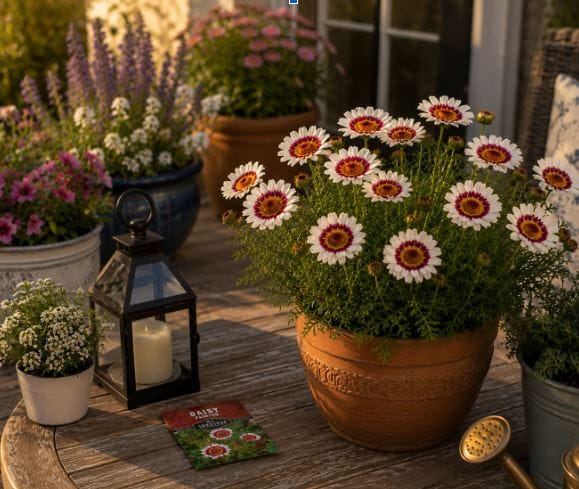
There are many flowers that come and go in popularity, but daisies seem to remain a favorite year after year. Their bright blooms, easygoing nature, and ability to attract pollinators make them among the most rewarding flowers for home gardeners.
Anyone researching daisy seeds will quickly discover that these flowers offer much more than simple beauty. They are easy to grow, adaptable to different garden styles, and capable of bringing color and life to outdoor spaces throughout the growing season.
Why Daisies Continue to Be Popular
Some flowers require constant attention to look their best. Daisies have earned their reputation for delivering impressive results without requiring complicated care.
A Friendly Choice for Beginners
Many gardeners start their flower-growing journey with daisies.
The plants are generally easy to establish from seed and do not require advanced gardening skills. This makes them an excellent option for anyone looking to build confidence in the garden.
Bright Blooms That Stand Out
Daisies are known for their cheerful flowers and clean, classic appearance.
Their bright petals can instantly add color to flower beds, borders, and pollinator gardens while complementing many other plants.
Adaptable to Different Gardens
One reason gardeners appreciate daisies is their versatility.
They fit comfortably into cottage gardens, wildflower areas, formal beds, and mixed landscape designs.
Understanding the Growth Cycle of Daisies
Knowing how daisies develop helps gardeners understand what to expect from planting through flowering.
Starting from Seed
Like most flowers, daisies begin as small seeds that gradually develop into seedlings.
Providing proper moisture and suitable growing conditions helps encourage successful germination.
Developing Healthy Plants
After germination, young plants focus on producing roots, stems, and foliage.
This stage lays the foundation for future flower production and overall plant health.
Producing Flowers
Once mature, daisy plants begin developing flower buds.
These buds eventually open into the familiar blooms that make daisies so recognizable and popular.
Choosing the Best Place to Grow Daisies
Location plays a major role in determining how well flowers perform throughout the season.
Prioritize Sunlight
Most daisy varieties grow best when they receive plenty of direct sunlight.
Adequate sunlight helps support strong stems, healthy foliage, and abundant blooms.
Use Soil That Drains Well
Daisies generally prefer soil that does not remain overly wet.
Good drainage helps support healthy root systems and reduces the risk of common growing problems.
Think About Plant Placement
Before planting, consider how mature daisies will fit into your garden design.
Their height and spread can influence the appearance and balance of surrounding plants.
How Daisies Benefit Pollinators
Flowers are not just beautiful. They also play an important role in supporting beneficial insects.
Attracting Bees
Daisy flowers provide a valuable food source for bees.
Encouraging pollinators in the garden often benefits nearby vegetables, fruits, and herbs.
Welcoming Butterflies
Many butterfly species are attracted to flowering plants.
Daisies help create a more inviting environment for these colorful visitors.
Supporting a Balanced Ecosystem
A diverse garden often supports a wider range of beneficial insects.
Adding daisies contributes to biodiversity and helps create a healthier growing environment.
Caring for Daisies Throughout the Growing Season
Although daisies are relatively low-maintenance, a few simple practices can help them thrive.
Watering During Establishment
Young plants benefit from consistent moisture as they become established.
Once mature, many daisy varieties require less frequent watering.
Removing Faded Flowers
Deadheading, or removing spent blooms, can encourage additional flowering.
This simple task often helps keep plants looking attractive throughout the season.
Monitoring Plant Health
Regular observation allows gardeners to identify potential issues early.
Healthy leaves and continuous flowering are usually signs that plants are performing well.
Common Mistakes to Avoid
Even beginner-friendly flowers can experience challenges when basic growing needs are overlooked.
Planting in Heavy Shade
Most daisies prefer sunny conditions.
Too much shade can reduce flowering and lead to weaker growth.
Overwatering the Soil
Excessive moisture can create problems for roots.
Allowing the soil to drain properly supports healthier plants and stronger blooms.
Ignoring Spacing Requirements
Crowded plants compete for sunlight, water, and nutrients.
Proper spacing improves airflow and allows each daisy plant to develop fully.
Creative Ways to Use Daisies in the Garden
Daisies are surprisingly versatile and can be incorporated into many types of garden designs.
Creating Pollinator Gardens
Because they attract beneficial insects, daisies work well in pollinator-focused planting areas.
Combining them with other flowering plants can create a vibrant and productive space.
Adding Color to Borders
Daisies make excellent border plants because of their bright flowers and dependable growth habit.
They help define garden edges while adding visual interest.
Mixing with Vegetables and Herbs
Many gardeners enjoy integrating flowers into vegetable gardens.
Daisies can provide beauty while supporting pollinator activity around food crops.
Why Daisy Seeds Remain a Favorite Among Gardeners
Gardeners often look for plants that combine beauty, reliability, and ease of care. Daisies continue to meet all of those expectations.
From attracting pollinators to providing long-lasting blooms, these classic flowers offer value throughout the growing season. Whether you are planting your first flower bed or expanding an established garden, daisy seeds offer an enjoyable, rewarding growing experience that you can appreciate year after year.